 Save to Pinterest
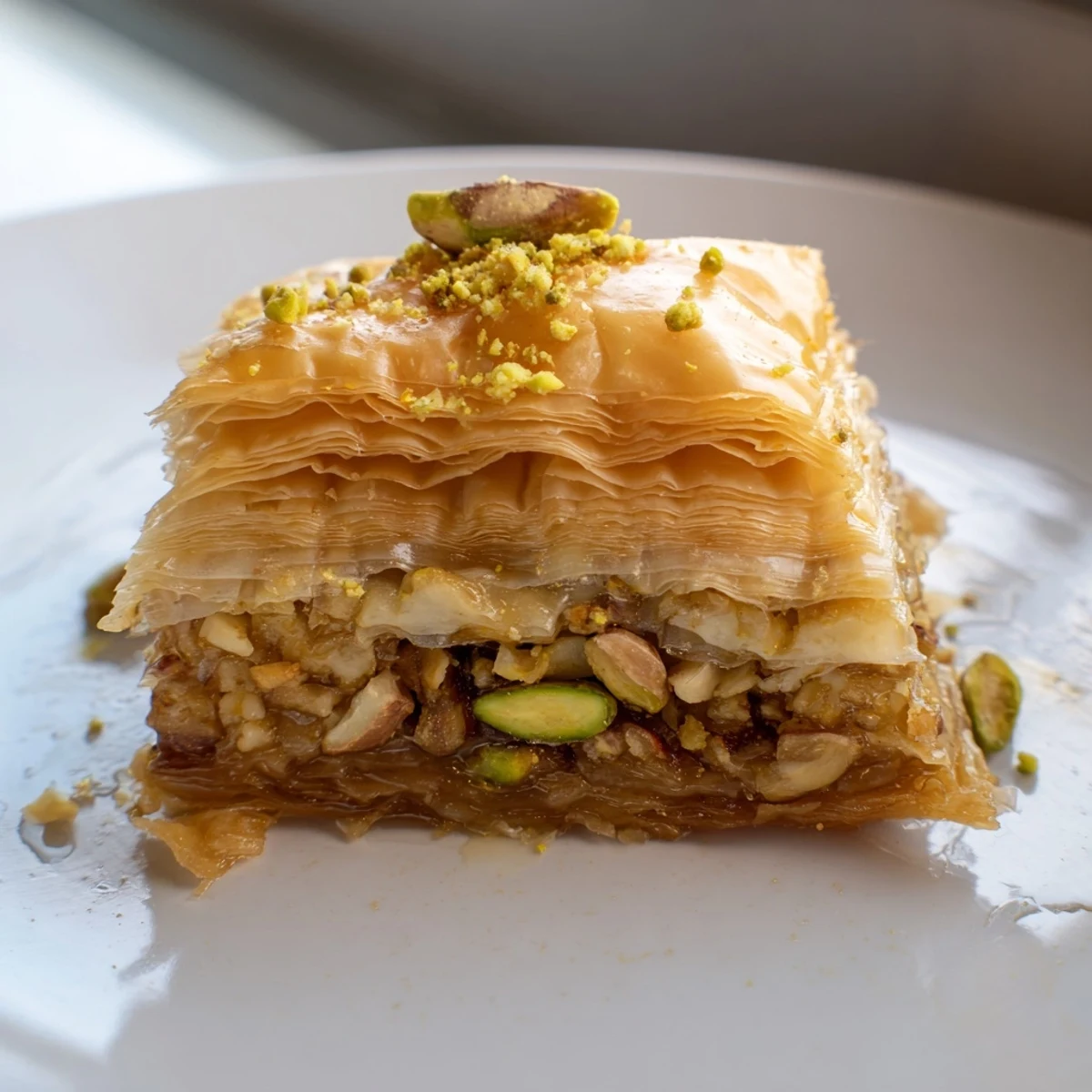
 This traditional Middle Eastern dessert features delicate phyllo pastry layered with a mixture of walnuts, pistachios, and almonds, sweetened with cinnamon sugar. The assembled layers are baked until golden and crisp, then drenched in an aromatic syrup made with honey, lemon juice, and cinnamon. The result is a perfect balance of textures—crunchy, flaky pastry against tender nuts—all held together by a sticky, fragrant sweetness.
The key to success lies in keeping the phyllo covered to prevent drying, brushing each layer generously with melted butter, and cutting the pieces before baking. Pouring the cooled syrup over hot pastry ensures even absorption.
The first time I attempted baklava, I was visiting my friend Maria's grandmother during a sweltering July afternoon. Her tiny kitchen smelled like butter and toasted nuts, and she worked the phyllo sheets with such practiced grace that I felt clumsy just watching. When she handed me the pastry brush, my hands shook, and she laughed, saying the dough could sense fear. That golden tray came out of the oven, and the moment she poured that honey syrup over the crispy layers, I understood why this dessert has captivated people for centuries.
Last Christmas, I made three batches of baklava and learned something important: people will forgive slightly uneven diamond cuts if the flavor is right. My neighbor knocked on my door because she could smell the cinnamon and butter from her apartment across the hall. I ended up sending her home with a whole box, and she still messages me about it every time I bake.
Ingredients
- 400 g phyllo dough: Keep it covered with a damp towel while working because dried out sheets will tear and frustrate you
- 250 g unsalted butter, melted: Brush generously between every single layer because butter is what creates that signature flaky texture
- 200 g walnuts, 100 g pistachios, 80 g almonds: The classic trio brings different textures and flavors that make each bite interesting
- 80 g granulated sugar: This sweetens the nut filling just enough to balance the tangy syrup
- 1 tsp ground cinnamon: Warm spice that bridges the gap between nuts and honey
- 250 ml water, 300 g sugar, 2 tbsp lemon juice, 2 tbsp honey: This syrup combination creates the perfect sticky consistency and floral sweetness
- 1 cinnamon stick and 1 strip orange peel: Infuse the syrup with subtle depth while it simmers
Instructions
- Get your oven and pan ready:
- Preheat to 180°C and butter your baking dish thoroughly because the first and last layers need something to grip onto
- Mix the filling:
- Combine all three nuts with sugar and cinnamon until evenly distributed
- Handle phyllo with confidence:
- Unroll your dough and keep it covered with a damp towel, working quickly but gently
- Build the foundation:
- Layer 8 sheets in the dish, brushing each generously with melted butter before adding the next
- Add the first nut layer:
- Sprinkle about one third of your nut mixture evenly across the phyllo
- Continue layering:
- Add 4 more buttered sheets, spread half the remaining nuts, repeat with 4 more sheets and the rest of the nuts
- Finish with phyllo:
- Top with remaining sheets, buttering each one as you go
- Cut before baking:
- Use a sharp knife to cut diamonds or squares all the way through because cutting after baking will crush the layers
- Bake until golden:
- Bake for 35 to 40 minutes until the top is deeply golden and crisp
- Make the syrup while baking:
- Simmer water, sugar, lemon juice, honey, cinnamon and orange peel for 10 minutes, then cool slightly
- The crucial moment:
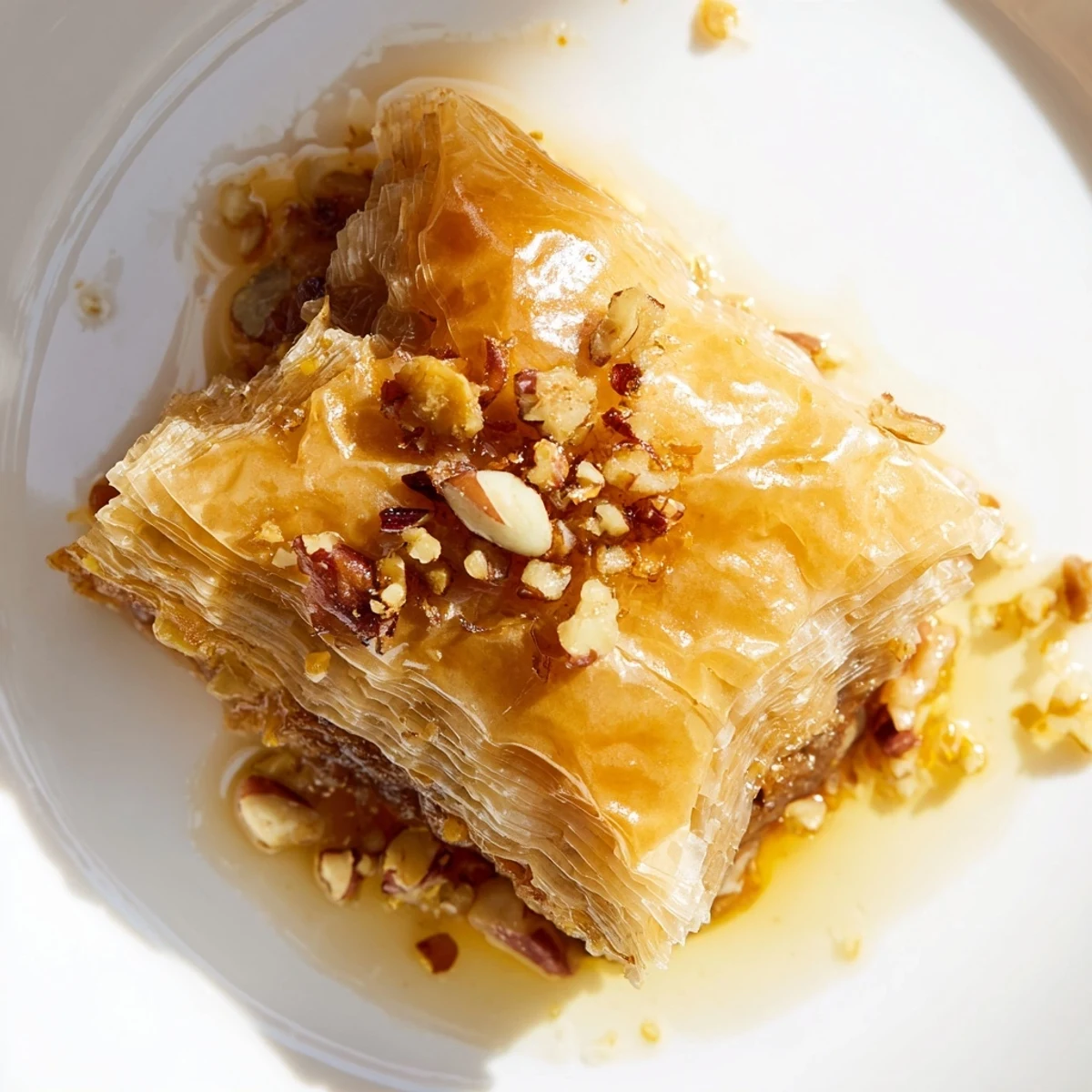
- Pour the slightly cooled syrup over the hot baklava immediately after it comes out of the oven
- Practice patience:
- Let it cool completely so the syrup can fully absorb into every layer
 Save to Pinterest
 My sister called me at midnight once, begging for this recipe after she tasted it at a dinner party. She made it the next weekend and sent me a photo of her toddler covered in flaky phyllo and sticky syrup, grinning like shed just won the lottery. Some desserts are worth the mess.
Working With Phyllo
The secret to phyllo confidence is keeping it covered and moving quickly. If a sheet tears, just press it back together and keep going because no one will notice after baking and layering.
Making The Syrup Ahead
You can make the syrup a day in advance and store it in the refrigerator. Just bring it to room temperature before pouring, and it will work perfectly.
Serving And Storing
Baklava actually gets better after sitting for a day, as the flavors deepen and the texture becomes more cohesive. Store it in an airtight container at room temperature for up to a week.
- Traditional serving includes strong black coffee or mint tea
- Some people prefer it chilled from the refrigerator
- Never refrigerate before the syrup has fully absorbed
 Save to Pinterest
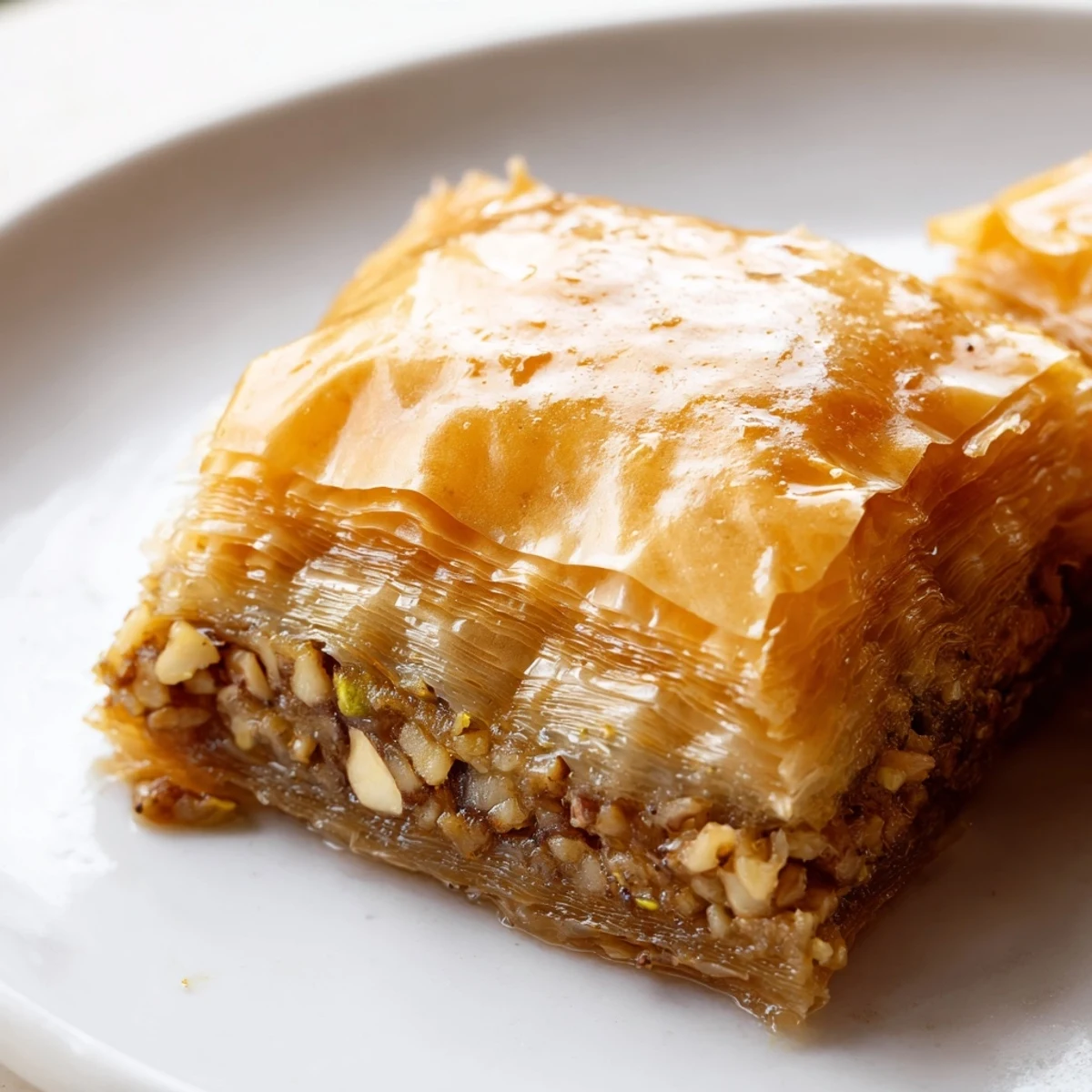
 There is something deeply satisfying about serving homemade baklava to guests who assume it must be terribly difficult to make. Watch their faces when they take that first bite, all crunch and syrup and nuts.
Recipe FAQs
- → How do I keep phyllo dough from drying out?
-
Keep unused phyllo sheets covered with a damp kitchen towel while working. Uncover only the sheet you're currently using, and work quickly to minimize exposure to air.
- → Can I use different nuts in baklava?
-
Absolutely. Walnuts, pistachios, and almonds are traditional, but hazelnuts, pecans, or cashews work beautifully. Use a single type or create your own custom blend totaling about 400g.
- → Why is my baklava soggy instead of crisp?
-
Sogginess usually comes from pouring hot syrup onto hot pastry. Let the syrup cool slightly before pouring, or pour cold syrup over hot baked layers. Also ensure each phyllo sheet is buttered thoroughly for proper crisping.
- → How long should baklava cool before serving?
-
Allow at least 2-4 hours for the syrup to fully absorb and the layers to set. Baklava actually improves overnight, developing deeper flavors and better texture. Store at room temperature, covered.
- → Can I freeze baklava?
-
Yes, freeze before adding syrup. Wrap the baked, cooled layers tightly in plastic and freeze for up to 3 months. Thaw, then prepare fresh syrup and pour over. Freezing after syrupming makes it soggy.
- → What's the purpose of lemon juice in the syrup?
-
Lemon juice prevents the sugar from crystallizing while creating a subtle tang that balances the intense sweetness. It also helps the syrup penetrate the layers more effectively.