
 Save to Pinterest
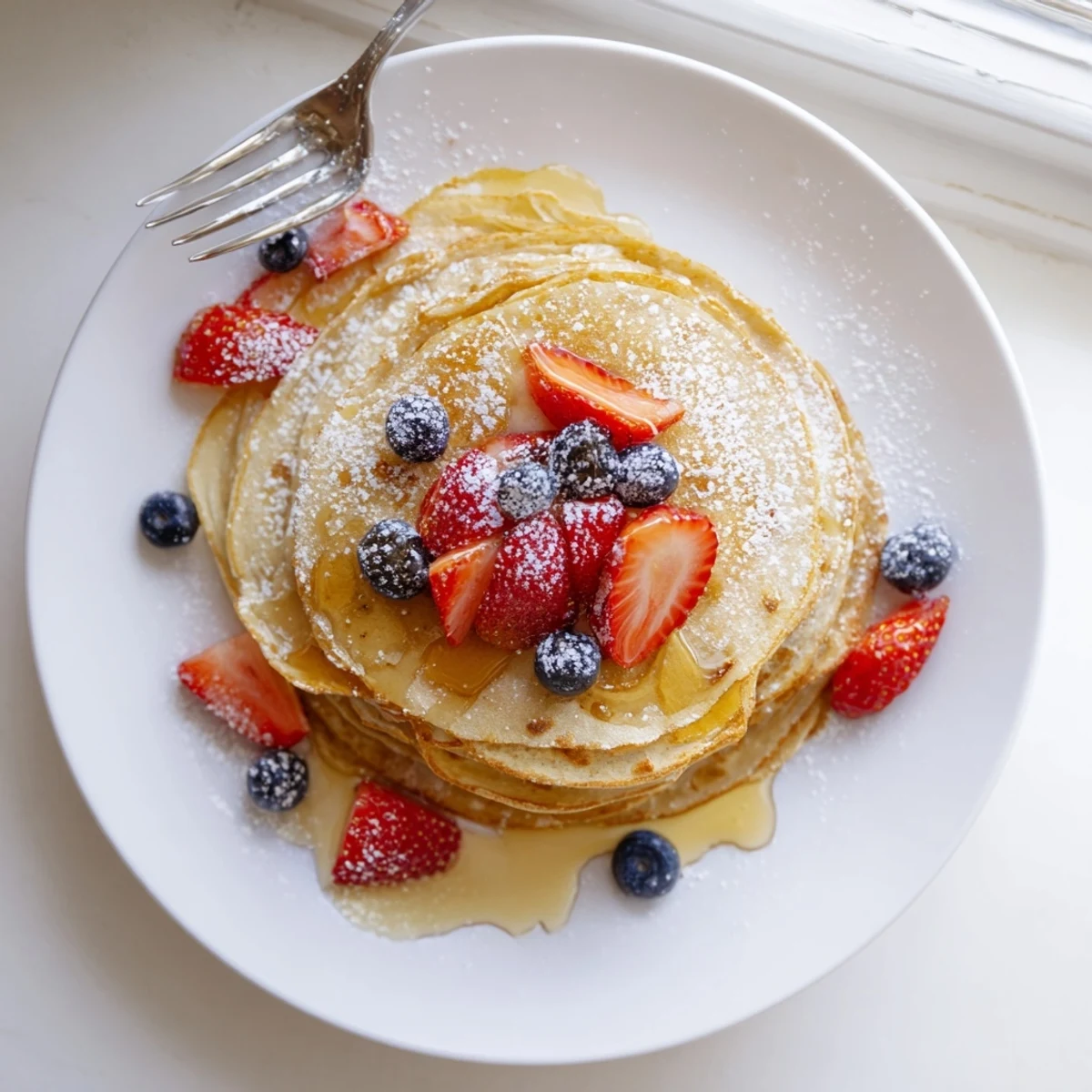
 These delicate French crepes feature a tender, lacy texture achieved through proper batter resting and careful swirling technique. The thin golden rounds cook quickly in a buttered skillet, emerging with lightly crisp edges that soften beautifully when stacked warm.
A generous honey drizzle adds floral sweetness that complements the subtle vanilla notes, while optional fresh berries provide bright contrast. The batter comes together in minutes with pantry staples, and the crepes cook so rapidly that you can serve them warm straight from the pan.
The kitchen was still dark when I started making these, the only light coming from the stove burner as it warmed up. I'd spent a semester abroad in France and my host mother would make crêpes every Sunday morning, singing old French songs while she flipped them effortlessly in her well seasoned pan. Mine stuck to the pan the first dozen times, but now I can finally get that delicate lace edge without thinking too hard about it.
Last summer I made a double batch for my nieces who were visiting, and they stood on stools taking turns pouring the batter and trying to flip the crêpes. More ended up on the floor than on plates, but the ones that made it through got drowned in honey and were declared the best breakfast ever. Now every time they visit, crêpes are non negotiable.
Ingredients
- All purpose flour: I've tried different flours but nothing gives quite the same tender fold as regular flour, and sifting it first makes a noticeable difference in texture
- Eggs: Room temperature eggs incorporate better into the batter, so take them out about 20 minutes before you start mixing
- Milk: Whole milk creates the richest crêpes, but whatever you have in your fridge will work perfectly fine
- Unsalted butter: Melted and cooled slightly so it doesnt scramble the eggs when you pour it in, plus extra for the pan because butter makes everything better
- Granulated sugar: Just enough to balance the savory notes without making these dessert sweet
- Salt: A tiny pinch that somehow makes all the other flavors pop
- Vanilla extract: Optional but highly recommended, it adds this warm background note that people notice but cant quite identify
- Honey for serving: A floral honey looks gorgeous and seeps into every fold
Instructions
- Whisk the dry foundation:
- Combine the flour, sugar, and salt in a mixing bowl, taking a moment to really break up any flour clumps with your whisk
- Blend the wet ingredients:
- In a separate bowl, beat those eggs until they're uniform, then whisk in the milk and vanilla until the mixture looks silky and smooth
- Bring everything together:
- Pour the wet ingredients into the dry gradually, whisking constantly to avoid lumps, then stir in that melted butter until everything's incorporated
- Let it rest:
- Walk away for at least 15 minutes, maybe up to an hour if you have the time, because this rest period is what makes crêpes tender instead of tough
- Heat your pan:
- Get your nonstick skillet or crêpe pan over medium heat and brush it lightly with butter, watching it sizzle and foam
- Pour and swirl:
- Add about a quarter cup of batter, lifting and tilting the pan immediately to let the batter spread thin and even across the surface
- Watch for the edges:
- Wait one to two minutes until you see the edges start to curl up slightly and the bottom turns golden brown
- Flip briefly:
- Slide your spatula underneath and flip, cooking just thirty seconds more on the second side until set but still pale
- Stack and serve:
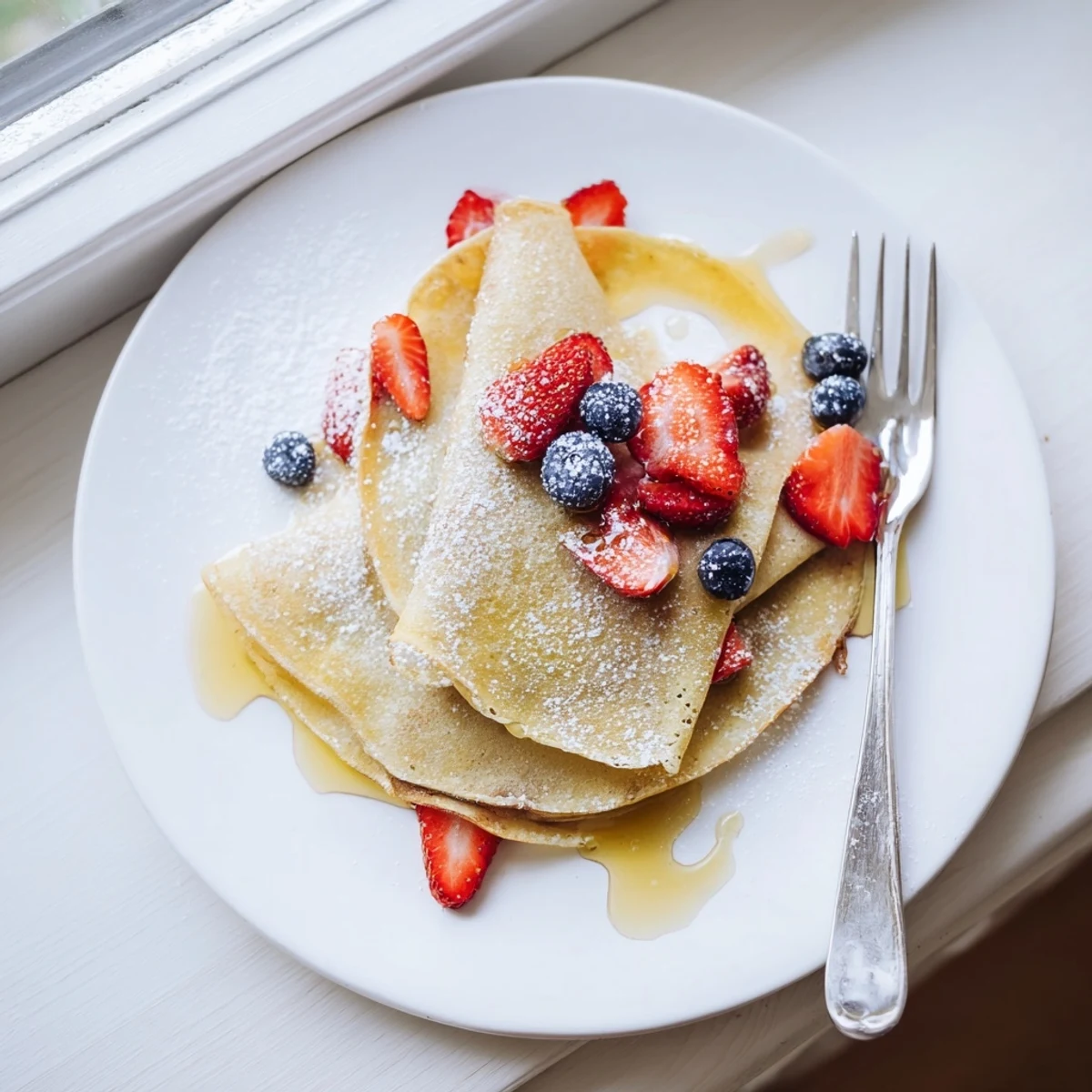
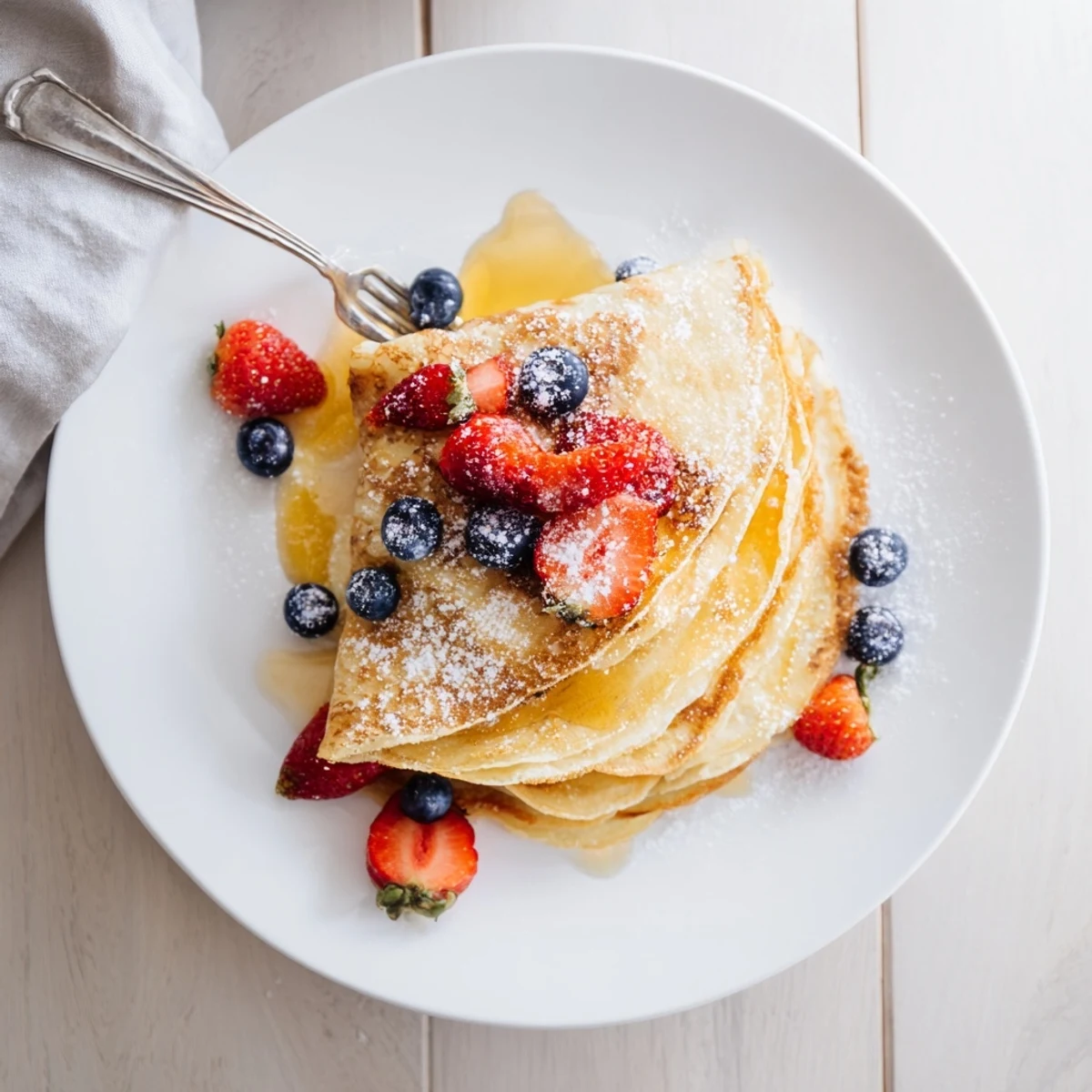
- Keep finished crêpes warm on a plate as you work through the batter, then fold them generously with honey and whatever fresh berries you have on hand
 Save to Pinterest
 These became my go to for impromptu dinner parties because I can make the batter ahead and keep it in the refrigerator for up to two days. There's something magical about standing at the stove, talking with friends while crêpe after crêpe stacks up, everyone watching to see if each flip will succeed.
Getting The Right Consistency
The batter should pour easily but not be watery, coating the back of a spoon without running right off. I've learned that different flours absorb liquid differently, so trust your eyes more than the exact measurements here.
Perfecting Your Flip
Don't try to flip too early, and don't use too much force. A gentle wrist motion is all you need once the crêpe has released from the pan. Some days I use a spatula, some days I get brave and try the pan flick, and both methods work as long as the timing is right.
Serving Variations
While honey is gorgeous on its own, I've found that a pinch of citrus zest in the batter or a dollop of yogurt alongside makes these feel like a restaurant dessert. The possibilities are endless once you have the basic technique down.
- Try spreading each crêpe with a thin layer of Nutella before rolling
- Squeeze fresh lemon juice over the honey for a bright contrast
- Keep them stacked with parchment paper between if making ahead
 Save to Pinterest
 There's something deeply satisfying about turning simple ingredients into something so elegant and delicious. Hope these bring a little French magic to your kitchen.
Recipe FAQs
- → Why should I let the batter rest?
-
Resting allows flour to fully absorb liquid, preventing lumps and producing tender crepes. A 15-minute rest works, but an hour yields even better texture.
- → How do I prevent crepes from tearing?
-
Ensure your skillet is properly heated and lightly buttered. Wait until edges lift easily before flipping—rushing leads to tears.
- → Can I make the batter ahead?
-
Yes, refrigerate batter up to 24 hours. Let it come to room temperature before cooking, or whisk in a splash of milk if too thick.
- → What's the best way to reheat leftovers?
-
Stack with parchment paper between, wrap in foil, and warm at 300°F for 5–10 minutes. Microwaving makes them rubbery.
- → Why is my first crepe always imperfect?
-
The first panful tests temperature and butter distribution. Consider it a trial run—adjust heat as needed before continuing.