
 Save to Pinterest
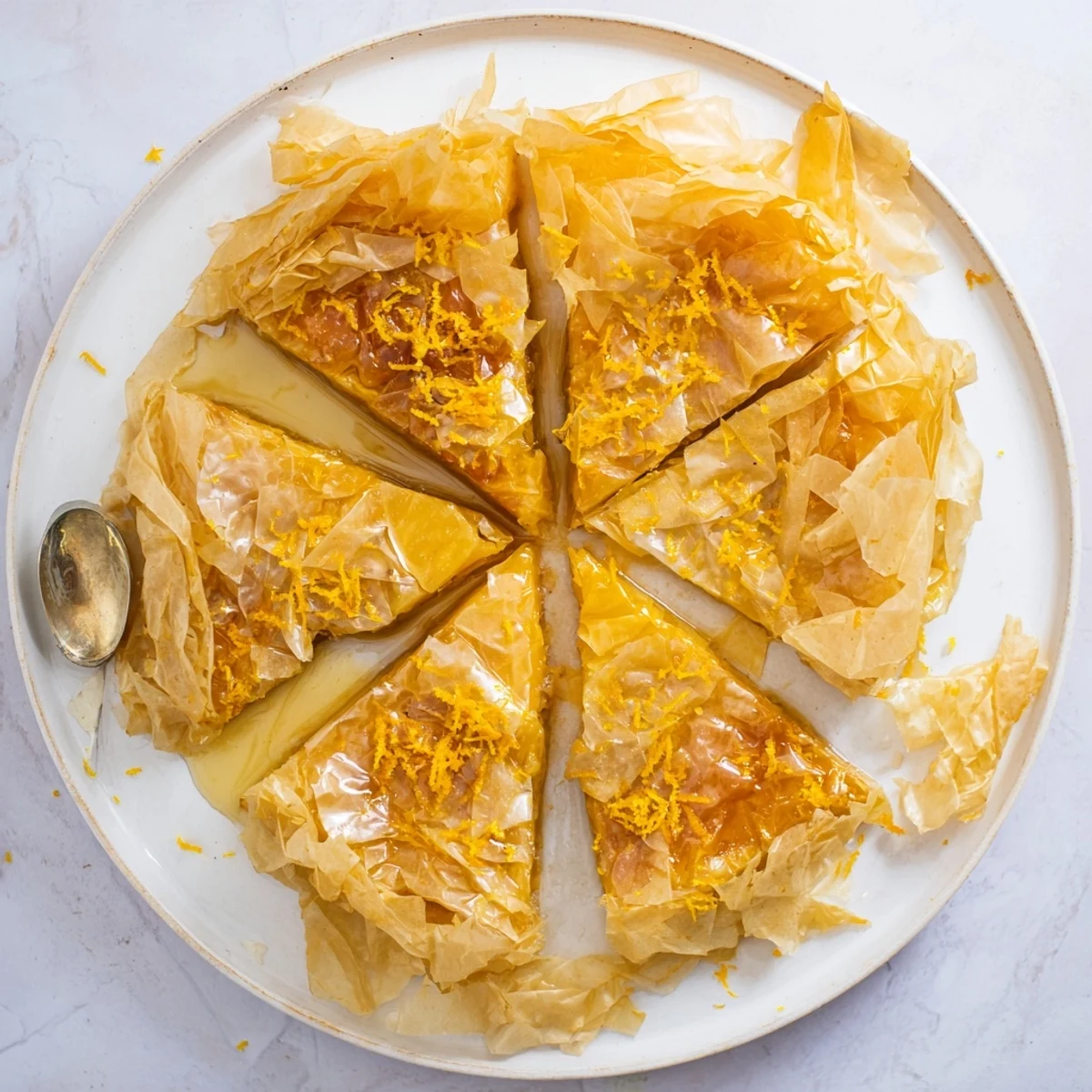
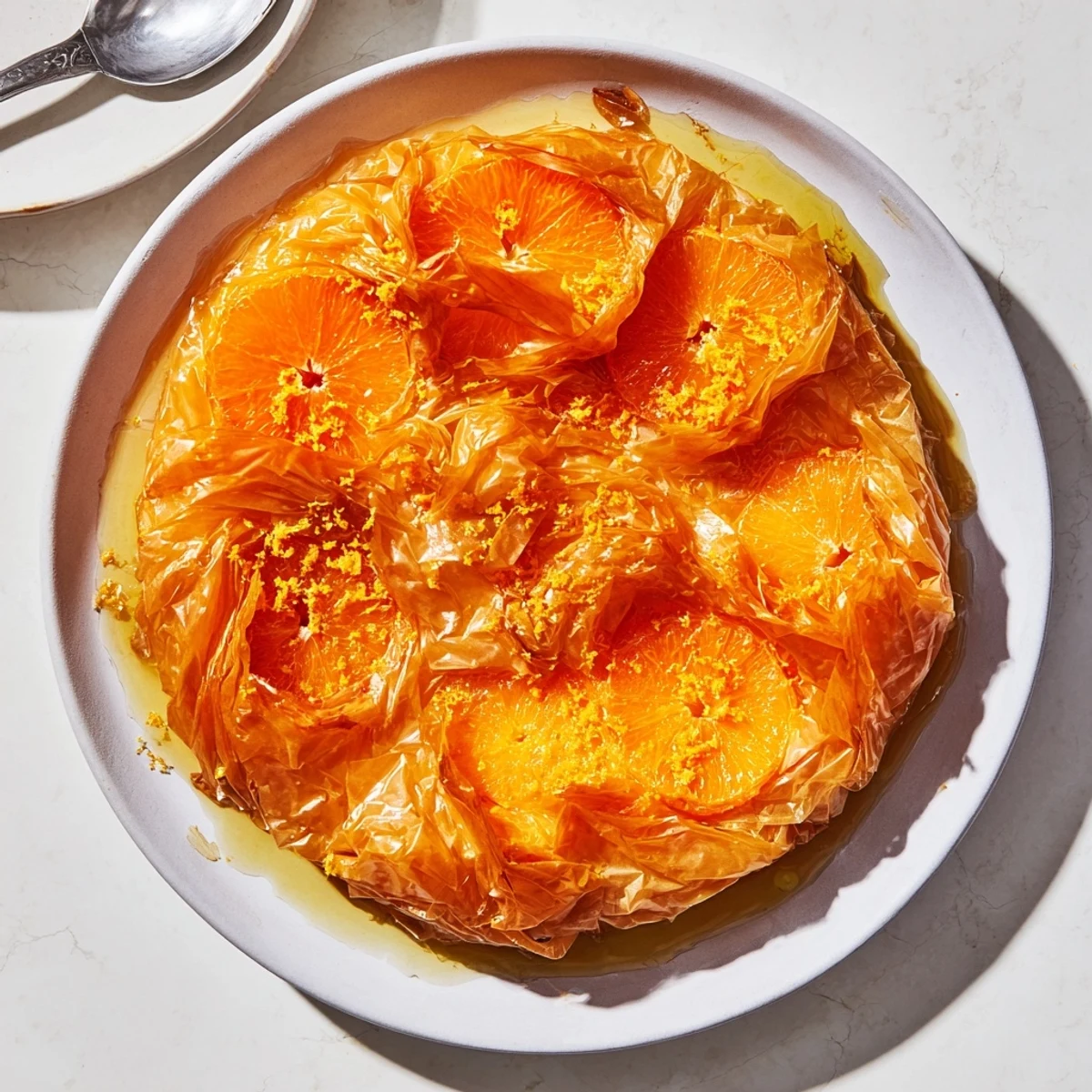
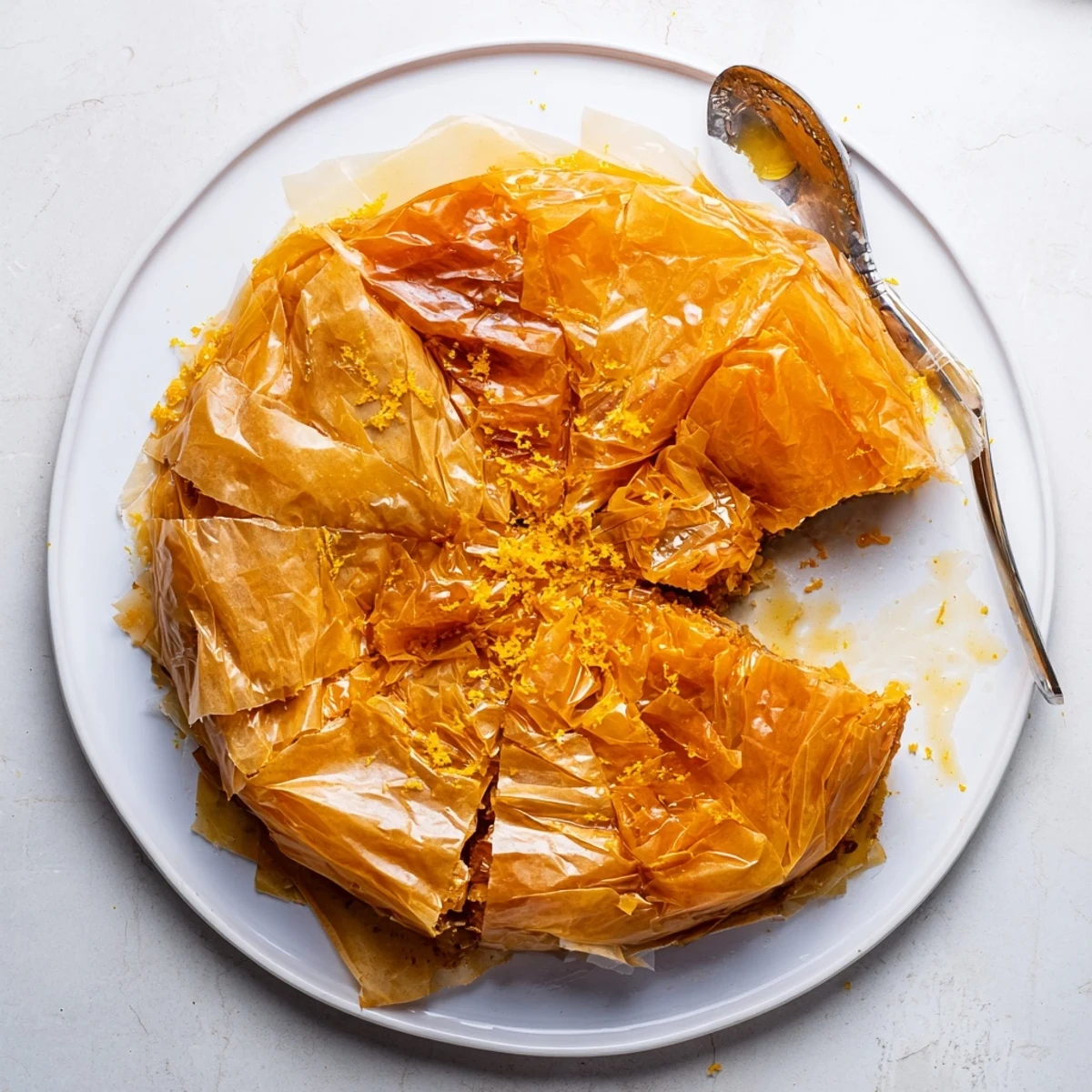
 Portokalopita brings together the satisfying crunch of phyllo pastry with the rich tang of Greek yogurt and bright orange zest. The magic happens when hot syrup meets the golden baked layers, creating that signature moist texture while maintaining delightful crispy edges.
Preparation involves crumpling phyllo sheets into rustic pieces rather than traditional layering, allowing the custard-like batter to coat every surface. After baking until golden, cooling orange syrup infused with cinnamon transforms the dessert into something truly special.
Let it rest for at least two hours so flavors deepen and the syrup fully penetrates. Serve chilled or at room temperature, perhaps with a dollop of whipped cream alongside coffee.
Last winter, my neighbor Maria brought over a square of this orange scented cake after I mentioned I'd never had traditional Greek phyllo desserts. She explained that the trick is letting the phyllo sheets dry out until they're slightly brittle, almost like forgotten homework left on a kitchen counter. That first bite changed everything I thought I knew about syrup soaked sweets.
I made this for my father's birthday dinner despite his usual skepticism about desserts that aren't chocolate or plain fruit. He took a polite forkful, then immediately asked for seconds while everyone laughed. Now he requests it every time he visits, claiming the orange flavor reminds him of summers he spent in Greece as a teenager.
Ingredients
- Phyllo sheets: Letting them dry out for an hour creates those irresistible crispy pockets that catch the syrup differently than fresh sheets would
- Greek yogurt: Full fat is non negotiable here because it gives the custard its lush body and subtle tang
- Orange zest: Use a microplane and zest directly over your bowl to capture every drop of those fragrant oils
- Cinnamon stick: One whole stick infuses the syrup with warmth without overpowering the fresh orange brightness
Instructions
- Prepare your phyllo:
- Spread the sheets across your counter and walk away for an hour, letting them dry until they rustle like autumn leaves when you touch them
- Make the custard base:
- Whisk eggs and sugar until they turn pale and Ribbony, then fold in yogurt, oil, vanilla, zest and baking powder until everything is blended
- Combine everything:
- Gently tumble the dried phyllo pieces into the batter, folding until every shard is coated but not broken down completely
- Bake until golden:
- Spread the mixture in your greased dish and bake for 40 to 45 minutes until the top is amber and a tester comes out clean
- Simmer the syrup:
- While the pie bakes, combine water, sugar, juice, cinnamon and zest, letting it bubble gently for 8 minutes before cooling completely
- The soaking moment:
- Pour the cooled syrup slowly over the hot pie, watching it disappear into the crevices, then let it rest for at least 2 hours before cutting
 Save to Pinterest
 This became my go to bring to potlucks after showing up with it once and having three different people ask for the recipe before dessert was even over. Something about the citrus perfume that fills the room while it bakes makes people instinctively gather in the kitchen.
Getting the Phyllo Texture Right
Drying time matters more than you might expect. Too dry and the phyllo shatters into dust, too damp and it wont absorb the syrup properly. You want it flexible enough to crumple but brittle enough to create those delightful crispy islands throughout the custard.
Syrup Timing Secrets
Start your syrup when the pie goes into the oven, giving it plenty of time to simmer and cool completely. I learned this the hard way when I tried rushing the process and ended up with a dense soggy cake instead of the layered crisp texture that makes this dessert special.
Serving Suggestions
Some nights I serve it plain, letting the orange shine through, while other times I add a dollop of whipped cream or vanilla ice cream for contrast. The traditional way is actually chilled from the fridge, which firms up the custard beautifully.
- A splash of orange liqueur in the syrup adds lovely depth but isn't strictly necessary
- Let it come to room temperature for 20 minutes if serving straight from the fridge
- Store leftovers covered and they actually taste better the next day
 Save to Pinterest
 There's something deeply satisfying about a dessert that transforms humble ingredients into something this special. I hope it finds its way into your regular rotation.
Recipe FAQs
- → Why must the phyllo sheets dry out before using?
-
Drying phyllo sheets for about an hour makes them easier to crumple without tearing. Slightly dried phyllo absorbs the yogurt-egg batter more evenly, creating those signature crispy edges and tender centers throughout the baked layers.
- → Can I prepare Portokalopita ahead of time?
-
Absolutely. This dessert actually improves after sitting for several hours or overnight in the refrigerator. The syrup continues to penetrate the phyllo, enhancing moisture and flavor. Bring to room temperature before serving for the best texture.
- → What makes Greek yogurt essential here?
-
Authentic Greek yogurt provides the rich tang and thick consistency that balances the sweet syrup. Its higher protein content creates a custard-like texture when baked, while the acidity cuts through the sugar for a perfectly balanced finish.
- → Why must the syrup be completely cool before pouring?
-
Pouring cooled syrup over hot pastry prevents sogginess by allowing gradual absorption. If the syrup is boiling hot, it can make the phyllo mushy rather than pleasantly moist. The temperature contrast also helps create those appealing crispy edges.
- → Can I freeze Portokalopita for later?
-
Freezing isn't recommended because the syrup-soaked texture changes dramatically when thawed, becoming unpleasantly watery. Enjoy within 3-4 days when stored covered in the refrigerator. The flavors remain vibrant and the texture stays appealing during this time.
- → What's the purpose of the cinnamon stick in the syrup?
-
The cinnamon stick adds subtle warmth that complements the bright orange without overpowering it. While optional, this traditional Greek touch provides depth to the citrus notes, creating a more complex flavor profile that distinguishes Portokalopita from other orange desserts.