 Save to Pinterest
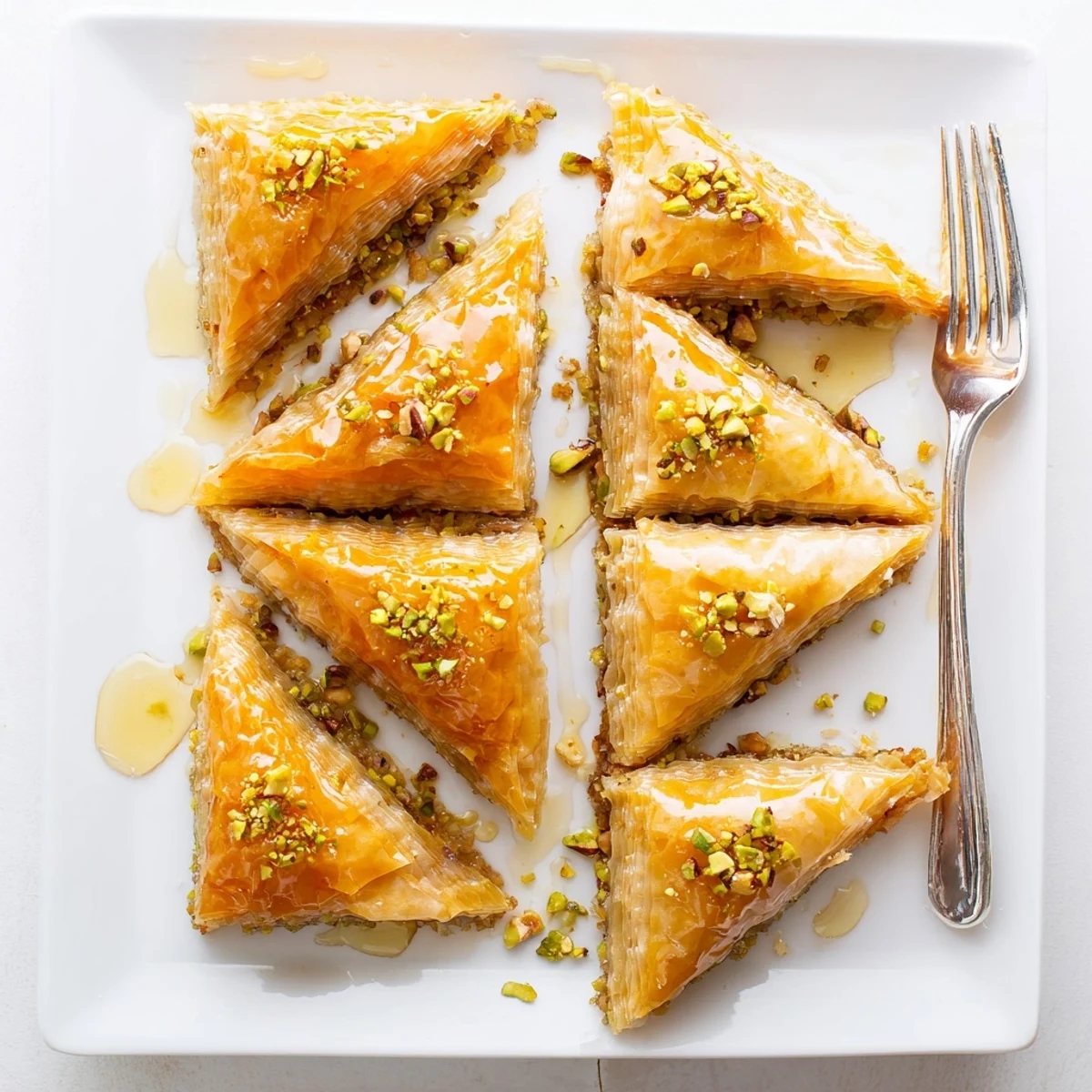
 This traditional Mediterranean sweet treat features delicate layers of buttery phyllo pastry alternating with a spiced nut mixture of walnuts, pistachios, and almonds. The assembly gets baked until golden crisp, then immediately drenched in warm honey syrup infused with cinnamon and lemon peel. The syrup seeps into every layer, creating that signature texture—crunchy yet tender, with each bite dissolving into sweet honeyed perfection.
The key lies in brushing each phyllo sheet generously with melted butter and cutting the pastry before baking. This ensures the syrup penetrates evenly. Let it cool completely to allow flavors to meld—this dessert actually improves after a day as the syrup fully saturates the layers.
My aunt Maria taught me that baklava requires patience more than precision. We spent an entire Sunday afternoon in her tiny kitchen, her hands moving in that confident, practiced rhythm while I fumbled with phyllo sheets that kept drying out. She laughed every time I apologized for tearing one, telling me the syrup hides all mistakes. That day changed everything I thought about making desserts from scratch.
Last Christmas I made three pans for different parties and each time someone asked for the recipe. Watching friends hover around the serving platter, debating between diamond or square pieces, reminded me why I put in the effort. There is something undeniably special about serving a dessert that looks impressive but comes from such humble ingredients.
Ingredients
- Walnuts: These provide the classic earthy backbone and their slight bitterness balances the honey sweetness perfectly
- Pistachios: They add beautiful green flecks and a buttery richness that makes each layer distinct
- Almonds: A small amount rounds out the nut flavors and adds subtle sweetness
- Ground cinnamon: This warm spice is non negotiable for authentic Greek flavor
- Ground cloves: Just a quarter teaspoon gives a mysterious depth that people cannot quite identify
- Phyllo dough: Keep it covered with a damp cloth because dry sheets will crack and frustrate you
- Unsalted butter: Melt it completely and brush generously between every single layer
- Granulated sugar: This balances the honey in the syrup so it is not overwhelmingly sweet
- Honey: Use a mild floral honey for the traditional finish that makes baklava unforgettable
- Cinnamon stick: Simmering this in the syrup infuses it with gentle spice
- Lemon peel: The bright citrus cuts through the richness and adds freshness
Instructions
- Preheat your oven:
- Set it to 170°C and butter your baking dish thoroughly while the oven warms up
- Mix the nut filling:
- Combine all the nuts with cinnamon cloves and sugar until evenly blended
- Prepare the phyllo:
- Unroll the dough and cover it immediately with a damp towel to prevent drying
- Layer the base:
- Place one phyllo sheet in the dish brush with butter then repeat until you have 8 buttered layers
- Add the nuts:
- Sprinkle one third of the nut mixture evenly across the phyllo
- Build the middle layers:
- Add 4 more buttered sheets another third of nuts then repeat the pattern
- Finish the top:
- Layer the final 4 phyllo sheets with butter and brush the top very generously
- Score the pieces:
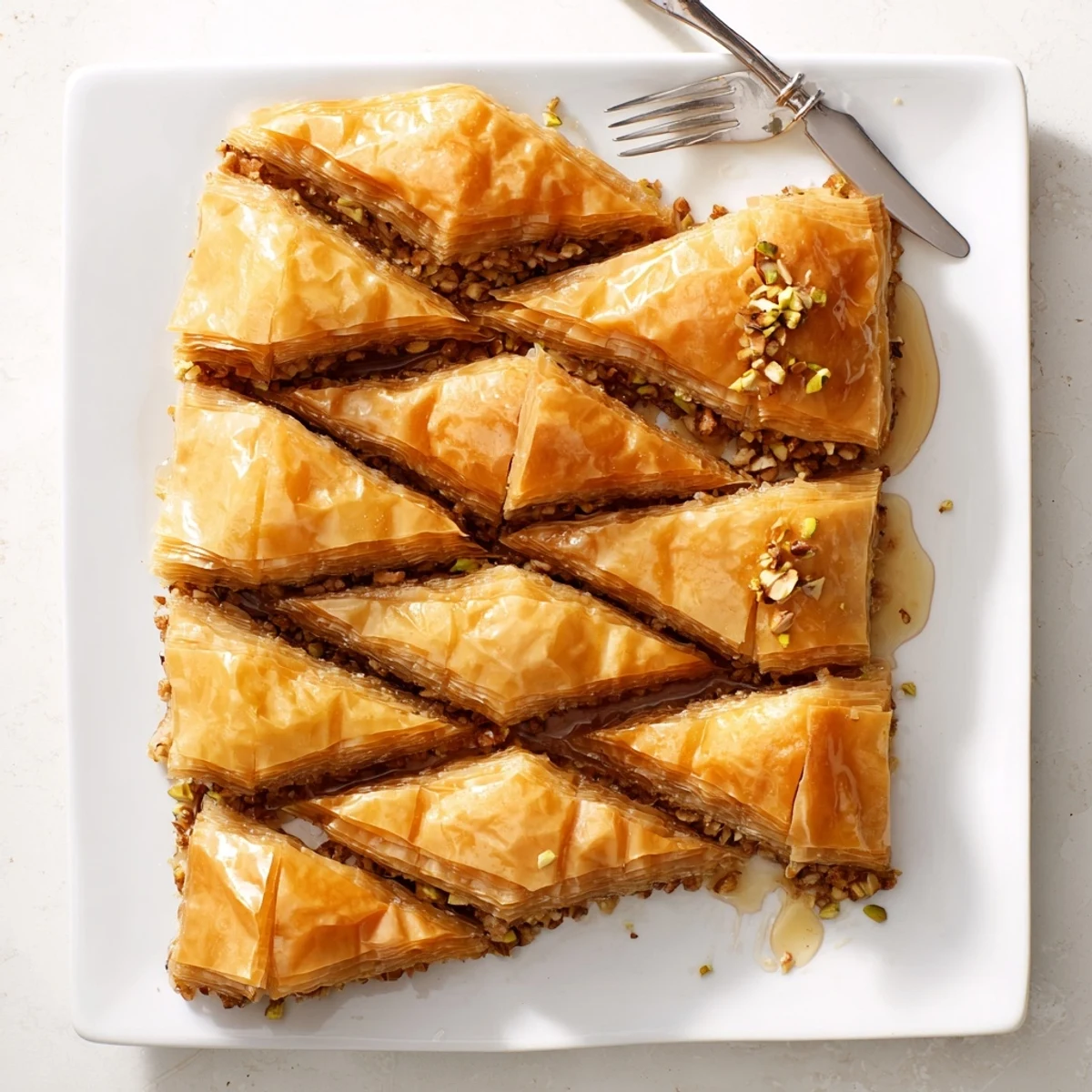
- Cut through all layers into diamonds or squares before baking
- Bake until golden:
- Let it cook for 45 to 50 minutes until the top is crisp and deeply colored
- Make the syrup:
- Simmer sugar water honey cinnamon and lemon peel for 10 minutes while baklava bakes
- Pour and cool:
- Slowly pour the warm syrup over hot baklava then let it cool completely before serving
 Save to Pinterest
 The first time I served this at a dinner party my friend Nikos took one bite and got quiet. He said it tasted exactly like his grandmother's house in Thessaloniki which is the highest compliment I could imagine receiving. That moment of connection through food is why I keep making it.
Working With Phyllo
Phyllo can seem intimidating but it just needs some respect and attention. Keep it covered with a barely damp towel and work quickly but calmly. Do not worry if sheets tear because the layers and butter hide almost any imperfection.
Making The Perfect Syrup
The syrup should have the consistency of thin maple syrup when finished. Simmer it gently until it coats a spoon then remove it from the heat to cool slightly. Letting it sit while the baklava bakes gives the flavors time to meld beautifully.
Serving And Storage
Baklava actually improves after a day as the syrup fully penetrates every layer. Store it covered at room temperature not in the refrigerator which would make the phyllo soggy. Serve it in small pieces because it is quite rich.
- Pair with strong Greek coffee or mint tea to balance the sweetness
- Add a pinch of orange blossom water to the syrup for floral notes
- Bring to room temperature before serving for the best texture
 Save to Pinterest
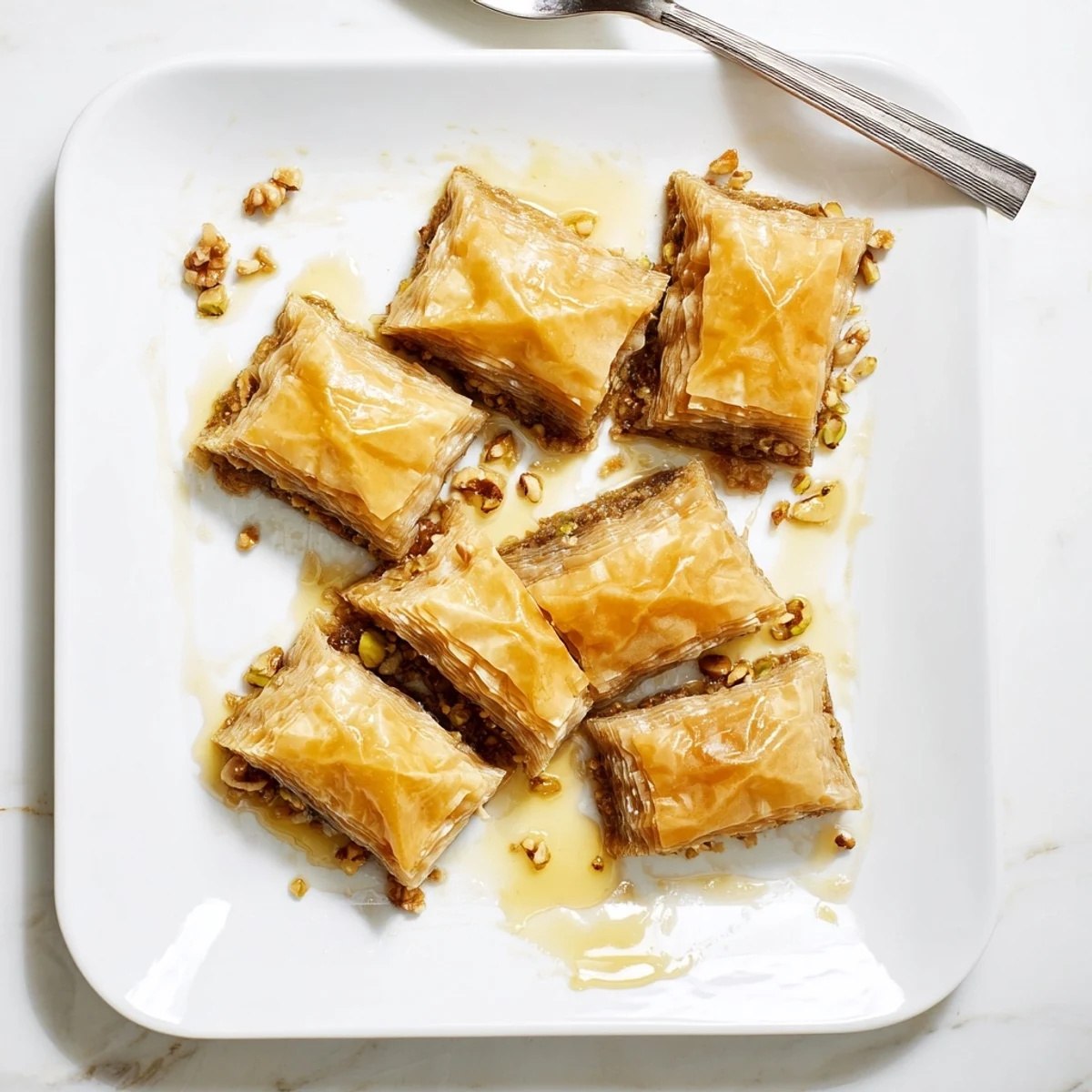
 Every time I pull a golden pan from the oven I remember my aunt standing over my shoulder correcting my brush strokes. Some recipes are just meant to be shared.
Recipe FAQs
- → How do I keep phyllo dough from drying out?
-
Cover unused phyllo sheets with a lightly damp kitchen towel while working. This prevents them from becoming brittle and impossible to handle. Work quickly but carefully—the thinner the dough dries out fast.
- → Can I make baklava ahead of time?
-
Absolutely. Baklava actually tastes better the next day as the honey syrup fully penetrates the layers. Store at room temperature covered for up to 5 days. The texture improves with time.
- → Should the syrup be hot or cold when pouring?
-
Pour warm syrup over hot baklava straight from the oven. This temperature difference helps the syrup absorb evenly into the layers without making the pastry soggy. The syrup should be warm but not boiling hot.
- → What nuts work best in baklava?
-
Walnuts and pistachios are traditional Greek choices, often with almonds added for depth. The combination provides buttery richness and subtle sweetness. You can adjust ratios based on preference or use just one type of nut.
- → Why cut baklava before baking?
-
Cutting through all layers before baking ensures clean edges and helps the honey syrup reach every layer. If you cut after baking, the pastry shatters. Use a sharp knife and cut in one steady motion.
- → Can I add orange blossom or rose water?
-
Yes, adding 1-2 teaspoons of orange blossom water or rose water to the syrup creates an authentic aromatic touch. Add it after removing the syrup from heat. This floral note is common in Mediterranean variations.