
 Save to Pinterest
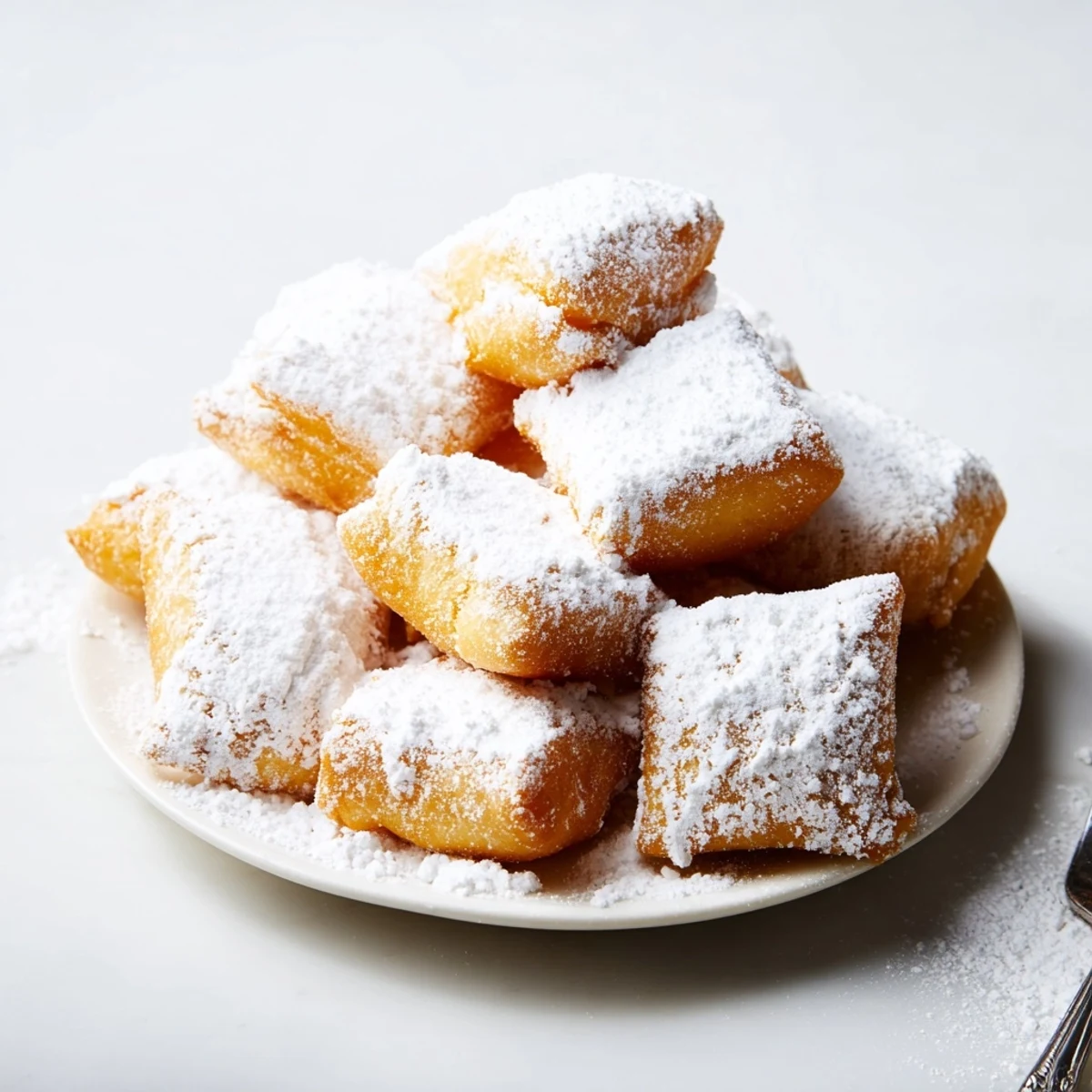
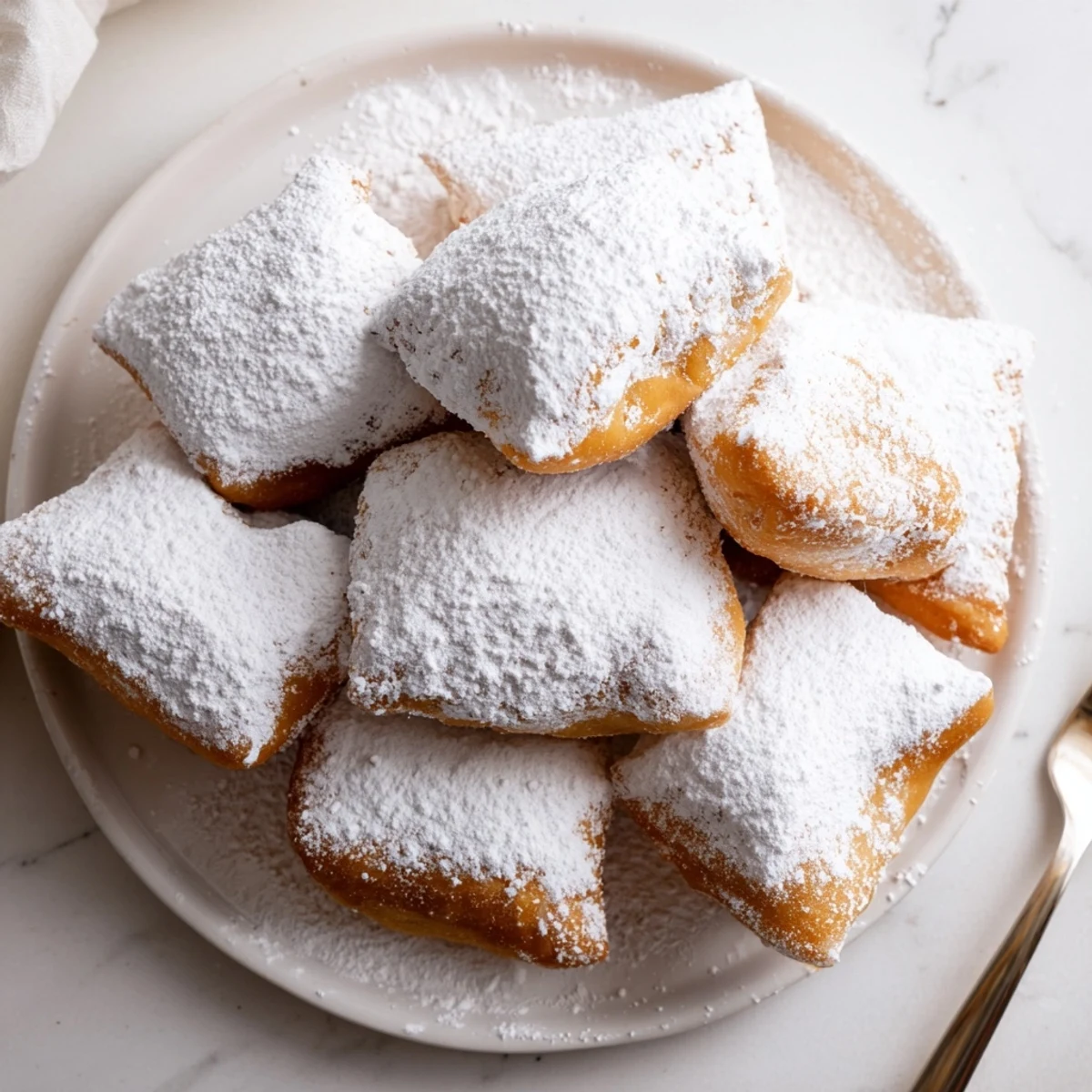
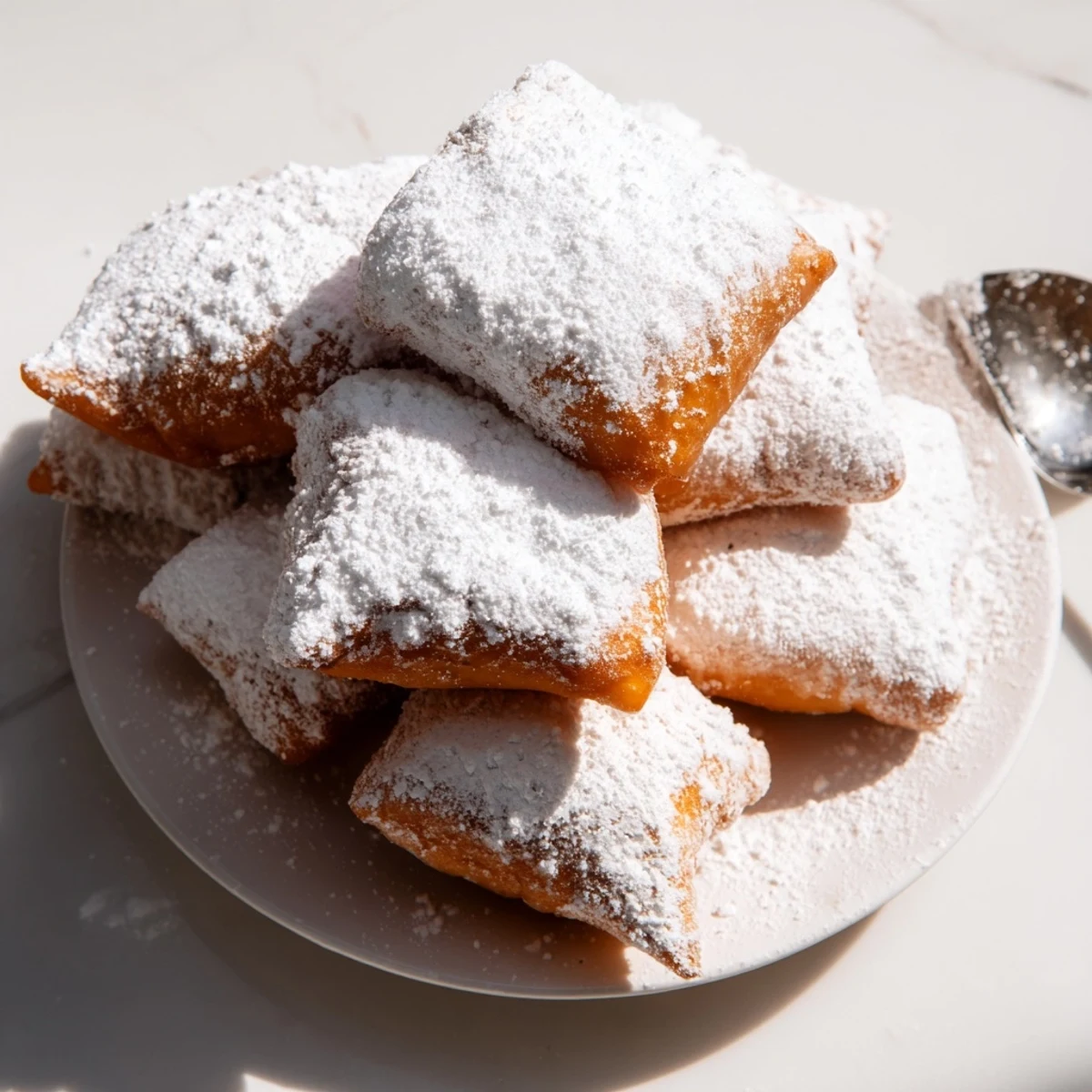
 These authentic French beignets feature a tender, airy dough infused with pure vanilla extract. The preparation involves creating a yeast-based dough that rises to perfection, then frying until golden brown and puffy. Freshly dusted with powdered sugar while warm, these delicate squares deliver a satisfying crunch outside with an irresistibly soft interior. Best served immediately for maximum enjoyment, though they pair wonderfully with jam, chocolate sauce, or honey for dipping.
Last February, my kitchen smelled like a Parisian bakery gone rogue. I had grand plans of making beignets for a snowed-in weekend with friends, but somehow managed to coat every single surface in a fine layer of powdered sugar. We ate them standing up, fingers sticky, laughing at the mess, and somehow that chaotic morning became a quarterly tradition.
My sister requested these for her birthday breakfast one year, which felt odd but somehow perfect. Watching her kids reach for seconds with sugar coating their chins like tiny ghosts made me realize why people have been making these for generations. Food that brings this much joy is worth the effort.
Ingredients
- 3 1/2 cups all-purpose flour: The foundation of everything, gives structure to all that pillowy softness
- 1/4 cup granulated sugar: Just enough sweetness to balance without making them dessert-like
- 2 1/4 tsp active dry yeast: One packet works perfectly, no measuring needed
- 1/2 tsp salt: Enhances the vanilla and keeps them from tasting flat
- 3/4 cup whole milk: Warmed to body temp so it activates the yeast without killing it
- 1/4 cup warm water: Used to bloom the yeast, should feel like bathwater
- 2 large eggs: Room temperature eggs incorporate better into the dough
- 1/4 cup unsalted butter: Melted and cooled slightly so it does not cook the eggs
- 2 tsp pure vanilla extract: Do not skimp here, it is the signature flavor
- 4 cups vegetable oil: For frying, any neutral oil works but peanut gives excellent results
- 1 cup powdered sugar: The snowfall that makes them instantly recognizable
Instructions
- Wake up the yeast:
- Stir the yeast into warm water and wait five minutes until it looks foamy on top
- Mix the dry base:
- Whisk flour, sugar, and salt together in your stand mixer bowl
- Bring it together:
- Add the yeast mix, milk, eggs, butter, and vanilla then mix on medium for 5 to 7 minutes until smooth
- Let it rise:
- Place dough in an oiled bowl, cover, and leave it alone for 1 to 1.5 hours until doubled
- Roll and cut:
- Punch down the dough, roll to 1/2 inch thickness, cut into 2 inch squares
- Second rise:
- Let squares rest covered for 30 minutes while you heat the oil to 350 degrees
- Fry until golden:
- Cook batches for 1 to 2 minutes per side, flipping once, until puffed and browned
- Sugar shower:
- Dust generously with powdered sugar while they are still warm
 Save to Pinterest
 After making these dozens of times, I realized the second rise is non-negotiable. The one time I rushed it, they were dense little pucks that felt like a betrayal. Now I plan my morning around that waiting period, usually with coffee and a podcast.
The Oil Temperature Secret
I learned the hard way that 350 degrees is the sweet spot. Too cool and they soak up oil like sponges, too hot and they burn before the inside cooks through. A kitchen thermometer costs about ten dollars and saves you from heartbreak.
Making Them Your Own
Sometimes I fold lemon zest into the dough when I want something brighter. Other times I serve them with warm chocolate sauce for dipping because chocolate makes everything better. The vanilla version is classic for a reason, but these are surprisingly forgiving of experimentation.
Timing Your Beignet Morning
The longest wait is that first rise, which is perfect for cleaning up or setting the table. Once you start frying, everything happens fast, so have your paper towels and sugar station ready before the first square hits the oil.
- Warm beignets freeze well if you somehow have leftovers
- A mesh strainer makes dusting with sugar feel professional
- They reheat beautifully in a 350 degree oven for 5 minutes
 Save to Pinterest
 There is something magical about standing over a pot of hot oil while snow falls outside. Maybe it is the warmth, the smell, the simple pleasure of making something so fundamentally happy. Whatever it is, these beignets have become more than a recipe in my house.
Recipe FAQs
- → What makes beignets different from regular donuts?
-
Beignets are square-shaped French pastries made from a yeast-risen dough that's deep-fried until golden. Unlike American donuts, beignets are typically square, have a lighter, more airy texture, and are generously dusted with powdered sugar rather than glazed or frosted.
- → Why is my beignet dough not rising?
-
The most common reasons are inactive yeast or milk that's too hot, which can kill the yeast. Ensure your milk is lukewarm (around 105°F) and your yeast is fresh. Also, make sure you're letting the dough rise in a warm, draft-free area for the full recommended time.
- → How do I know when the oil is ready for frying?
-
Use a kitchen thermometer to verify the oil reaches 350°F (175°C). If you don't have a thermometer, drop a small piece of dough into the oil—it should sizzle immediately and rise to the surface within a few seconds. If it sinks or doesn't bubble, the oil isn't hot enough yet.
- → Can I make the dough ahead of time?
-
Absolutely! After the first rise, you can refrigerate the dough overnight. Let it come to room temperature for about 30 minutes before rolling and cutting. You can also freeze shaped, unrisen beignets—just thaw them in the refrigerator before the final rise and frying.
- → Why do my beignets get flat after frying?
-
This usually happens when the oil temperature is too low, causing the beignets to absorb too much oil and become heavy. Maintain consistent heat and avoid overcrowding the pot, which drops the oil temperature. Fry in small batches for the puffiest results.
- → What's the best way to store and reheat leftover beignets?
-
Store in an airtight container at room temperature for up to 2 days. For longer storage, freeze them in a freezer bag. Reheat in a 350°F oven for 3-5 minutes until warm and slightly crispy. Avoid microwaving, as they'll become soggy.