
 Save to Pinterest
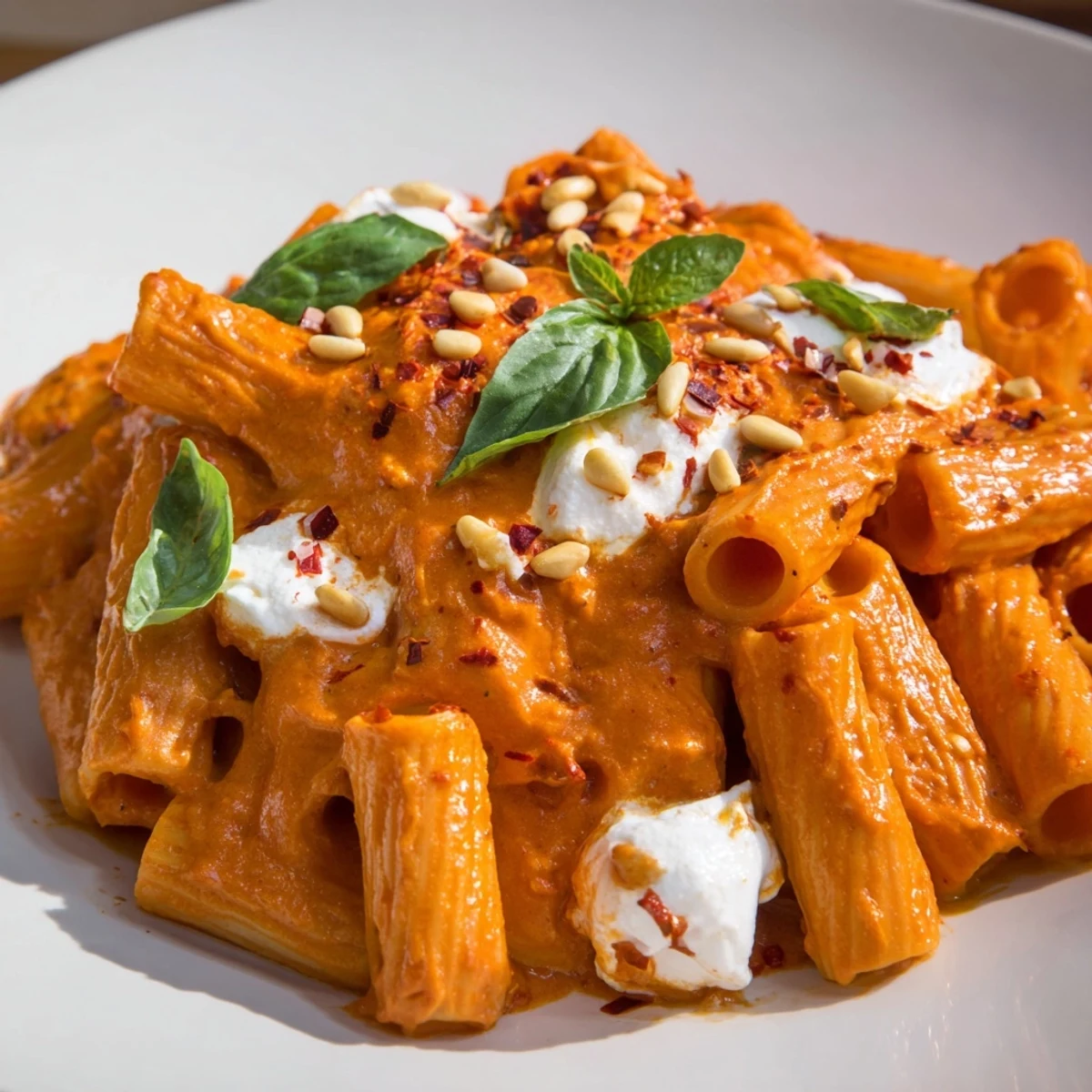
 This dish features tender pasta combined with a vibrant sauce made from roasted red bell peppers and softened onions. Garlic, smoked paprika, and a touch of red pepper flakes add depth, while goat cheese and heavy cream create a smooth, rich texture. Tossed with toasted pine nuts and fresh basil, it delivers a deliciously balanced Mediterranean-inspired meal ready in 40 minutes.
There's a Tuesday evening that stays with me, not because it was special, but because it was ordinary. I had three red peppers sitting on my counter that needed rescuing before they turned soft, and a block of goat cheese that was calling for something beyond a salad. That night, I learned that the best meals aren't always planned—they're improvised from what's in front of you, especially when you're too tired to overthink it. This pasta became my go-to answer whenever I wanted something that looked restaurant-worthy but required barely more effort than the usual weeknight routine.
I made this for friends who announced they were trying to eat vegetarian more often, and I watched them come back for seconds while barely pausing to breathe. The vibrant color alone made them think I'd spent hours in the kitchen, and when I casually mentioned it was ready in under 45 minutes, there was this moment of disbelief followed by the kind of laughter that happens when people realize they've been outsmarted by simplicity. That meal taught me something: elegance and ease aren't opposites.
Ingredients
- Penne or rigatoni: A tube shape holds the creamy sauce in its ridges and hollow centers, giving you a proper bite of sauce with every forkful—short pasta like rigatoni will catch and cradle the sauce better than long noodles.
- Roasted red bell peppers: These need to be fully roasted, peeled, and seeded, which concentrates their natural sweetness into something almost candy-like; if you're using jarred ones, drain them well and pat dry to avoid a watery sauce.
- Goat cheese: The tang is what makes this dish—it cuts through the richness and prevents everything from becoming one-note creamy, so don't skip it or substitute with something milder.
- Olive oil: Use something you'd actually eat on bread, not the budget bottle, because it's one of the few fat sources here and it carries flavor.
- Yellow onion: This mellows as it cooks and becomes almost invisible, creating a foundation that makes everything taste more intentional.
- Garlic and smoked paprika: The garlic brings savor, the paprika whispers smoke and depth without shouting; together they're the reason this doesn't taste like a simple pepper cream.
- Heavy cream: Just a splash, enough to round the edges and make the sauce cling to the pasta without drowning it.
Instructions
- Get the pasta water working:
- Fill your largest pot and bring it to a rolling boil—don't skimp on water or salt, because this is the only seasoning the pasta itself will get. The moment it's boiling, add pasta and set a timer; you want it tender but still with a slight resistance when you bite it.
- Build the base quietly:
- While pasta cooks, warm olive oil in a skillet over medium heat and add diced onion. You'll hear it sizzle and soften over about 5 minutes—when it's translucent and starting to turn golden at the edges, add minced garlic, a pinch of red pepper flakes if you like heat, and the smoked paprika. Let it toast for just a minute until you catch that warm, slightly charred smell.
- Fold in the peppers:
- Add your roasted red peppers and let them warm through for a couple of minutes, breaking them apart gently with a wooden spoon. Then transfer everything to a blender or use an immersion blender right in the pan—blend until completely smooth, stopping to taste and checking the texture.
- Create the sauce:
- Return the purée to low heat and add goat cheese in small crumbles, stirring constantly as it melts into the sauce. Pour in heavy cream and stir until everything is silky and unified. Taste and adjust salt and pepper—remember that the pasta water is unsalted, so you have room to season here.
- Bring it together:
- Drain your pasta but reserve that starchy pasta water—it's magic. Toss the hot pasta into the sauce, lifting and turning it to coat every strand. If the sauce clings too tightly, add pasta water a splash at a time until it flows around the pasta like a silk robe.
- Finish and serve:
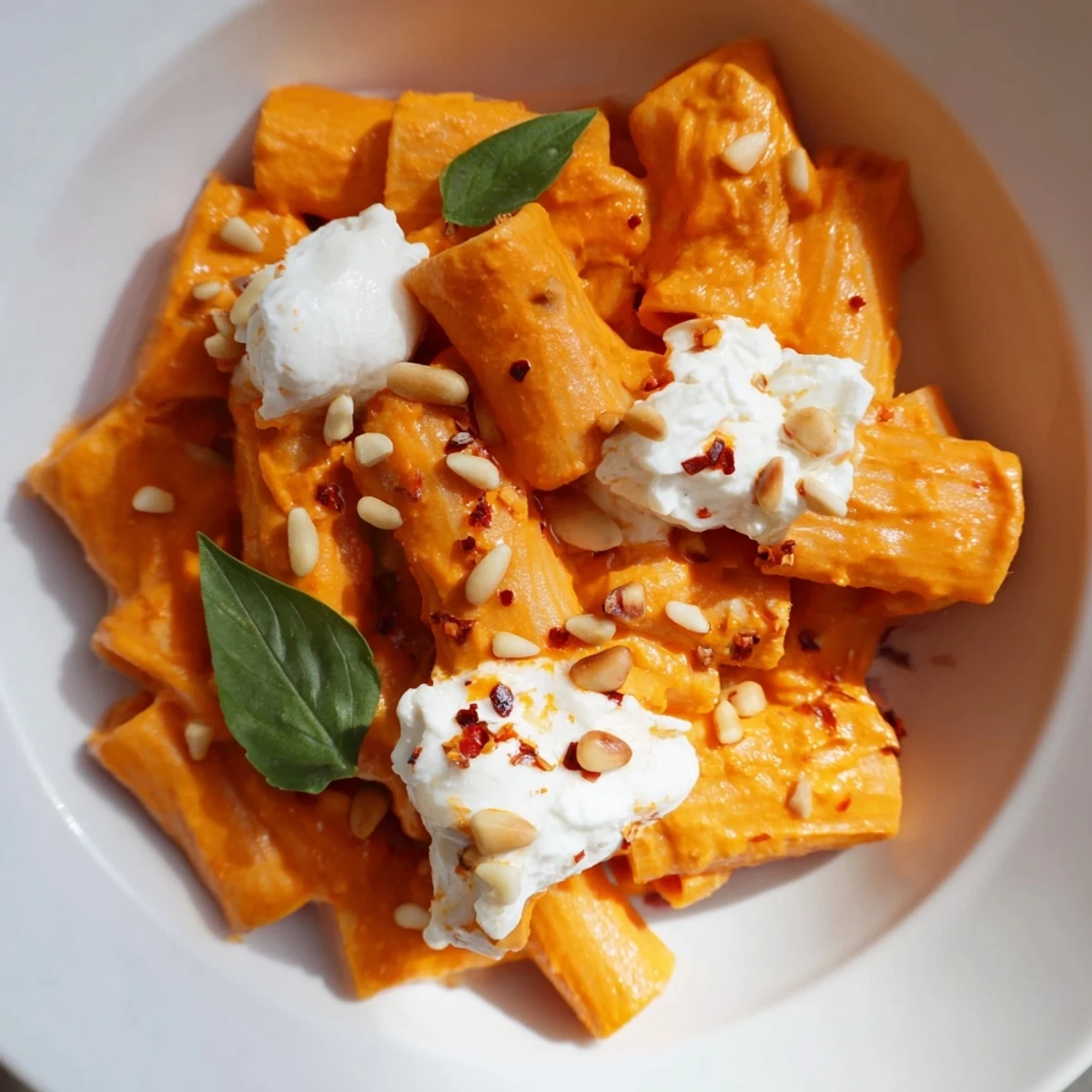
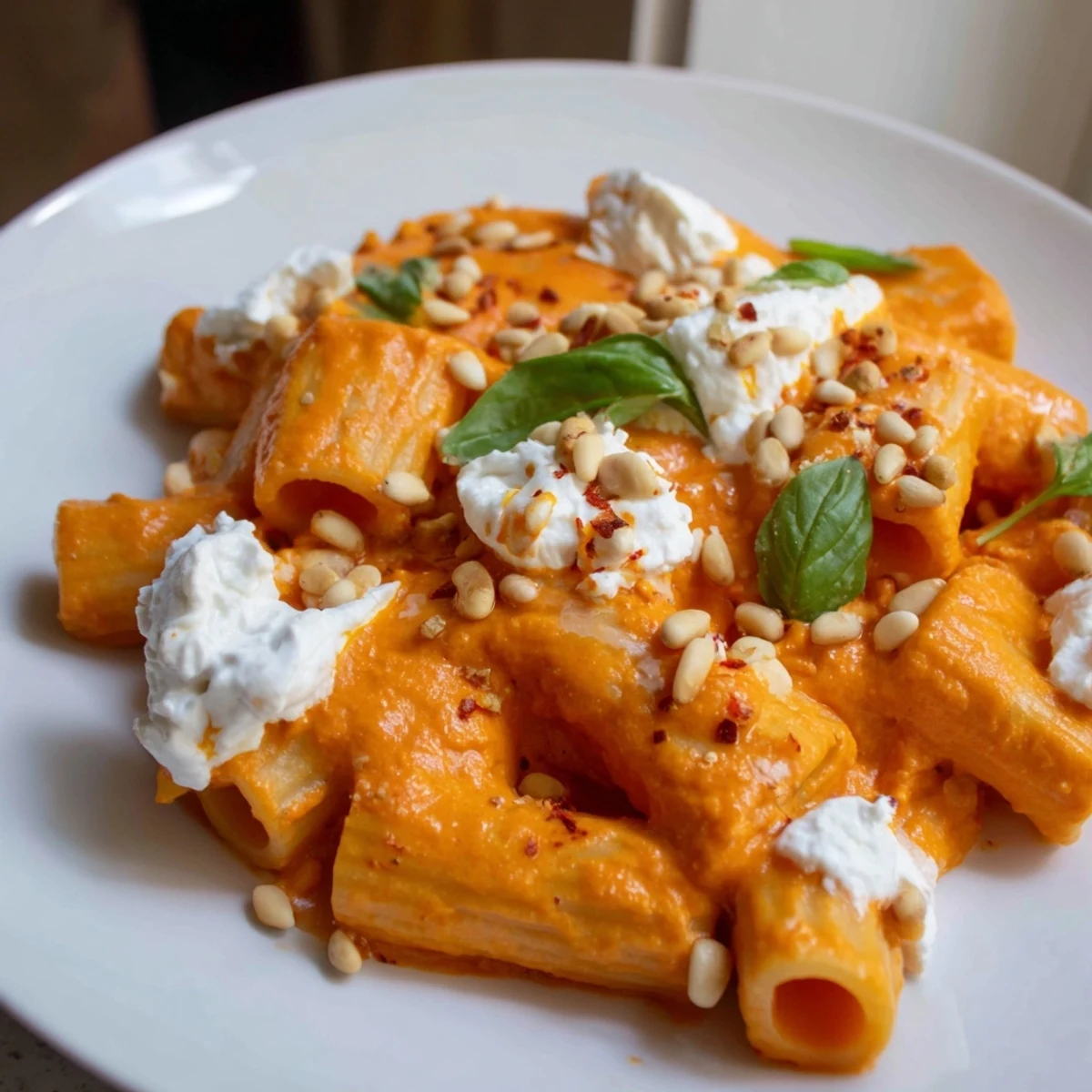
- Transfer to bowls or a serving dish immediately, before the pasta absorbs too much sauce. Scatter fresh basil across the top, a handful of toasted pine nuts, and an extra crumble of goat cheese if you're feeling generous.
 Save to Pinterest
 My mother tasted this once and asked if I'd finally learned to cook properly, which sounds insulting until you know her—her kind of compliment arrives dressed up as casual criticism. That moment mattered, not because her opinion changed anything, but because it reminded me that food is sometimes just an excuse to say things we don't usually say out loud.
Why Roasted Peppers Make All the Difference
The magic lives in the roasting. Raw red peppers are sweet but flat, but when you char them over flame or under a broiler until their skin blisters black, something chemical happens—their sugars concentrate and deepen into something almost fruity, almost savory. The moment you peel away that charred skin, you're left with flesh that's tender enough to collapse into a sauce but complex enough to feel like the whole dish is built on something real and earned.
The Goat Cheese Question
I've made this with ricotta, with cream cheese, with cashew cream on nights when dairy felt wrong. All of them tasted fine, but none of them tasted like this. Goat cheese brings a tang that makes your mouth wake up, that small mineral sharpness that prevents the entire dish from melting into sweetness. It's the moment of contrast that makes you remember you're eating something intentional.
Making It Your Own
The structure of this dish is forgiving enough to bend without breaking. You can add a pinch of nutmeg to the sauce, or a splash of white wine, or even a handful of fresh spinach stirred in at the end. The foundation is strong enough to hold small adventures.
- Toast your pine nuts in a dry skillet for exactly one minute—any longer and they tip from nutty to bitter.
- Make this ahead up until the plating step; reheat gently with a splash of cream or pasta water to restore the sauce's flow.
- If you can't find roasted peppers, roast them yourself by charring them directly over a gas flame or under the broiler, then sweat them in a covered bowl for 10 minutes before peeling.
 Save to Pinterest
 This dish lives in that perfect place where effort and result don't match up—you get something that tastes like you know secrets you've never learned. That's the real magic here.
Recipe FAQs
- → What type of pasta works best with this dish?
-
Penne or rigatoni are ideal as their shape holds the creamy sauce well, ensuring each bite is flavorful.
- → How can I make the sauce smoother?
-
Blend the roasted peppers thoroughly and stir the sauce gently over low heat until the goat cheese fully melts for a silky consistency.
- → Are there suitable alternatives to pine nuts?
-
Yes, walnuts or almonds can be toasted and used for a similar crunch and nutty flavor.
- → Can this dish be adjusted for a vegan diet?
-
Substitute plant-based cream and vegan cheese to maintain the creamy texture without dairy.
- → How should I reheat leftovers without drying out the pasta?
-
Gently warm the pasta with a splash of reserved pasta water or additional cream to keep the sauce moist and creamy.
- → What wine pairs well with this flavorful pasta?
-
A crisp Sauvignon Blanc complements the sweet roasted peppers and tangy goat cheese beautifully.