
 Save to Pinterest
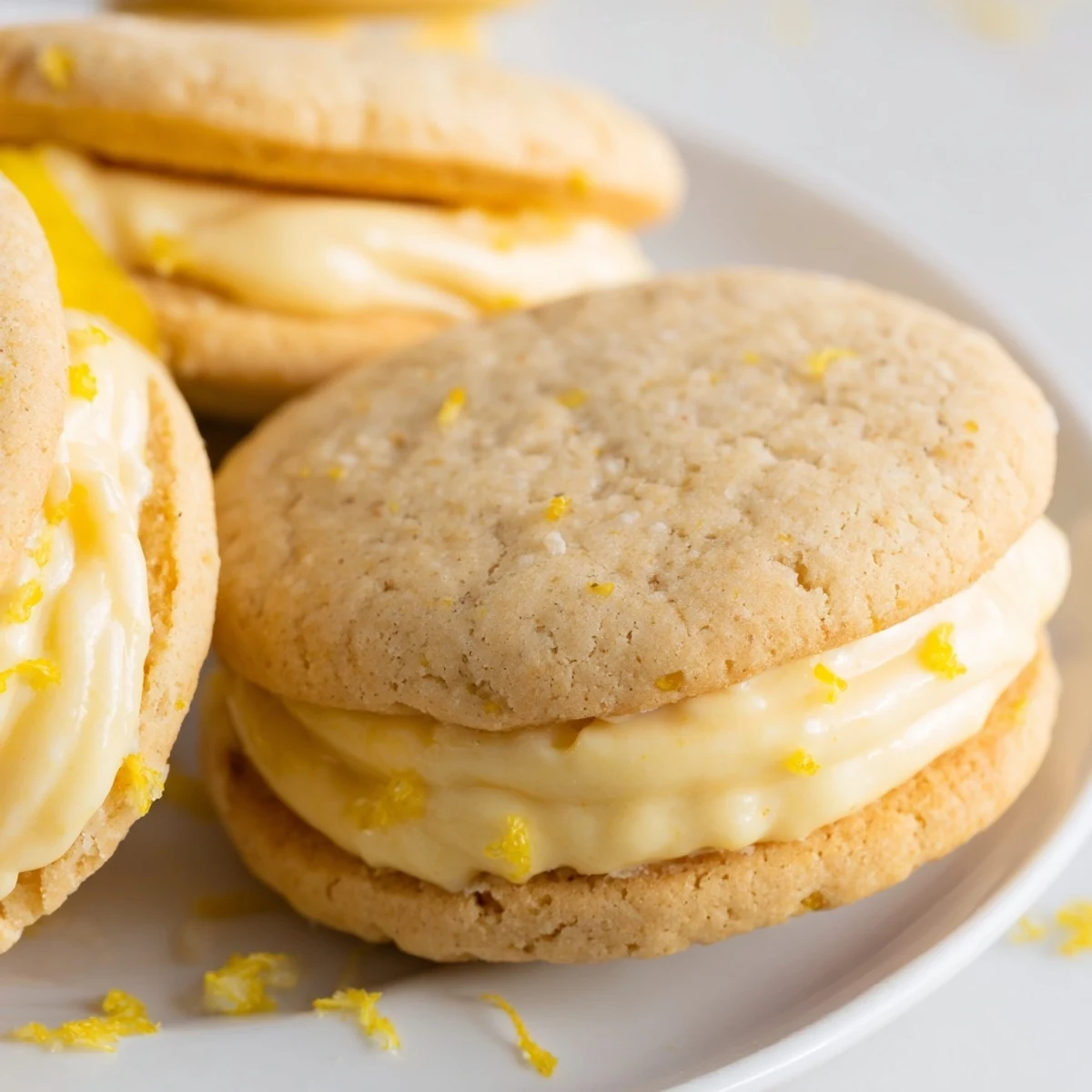
 These delightful lemon sandwich cookies combine bright, citrusy cookies with a smooth, tangy lemon curd filling. The plant-based dough uses gluten-free flour blend and almond flour for a tender crumb, while coconut oil keeps them dairy-free. The creamy curd gets its richness from full-fat coconut milk and natural color from optional turmeric. Perfect for spring gatherings, afternoon tea, or whenever you crave something sweet and refreshing.
My tiny apartment kitchen smelled like sunshine the first time I attempted these cookies. I had brought home a bag of lemons from the farmers market, their skin still slightly rough and their scent cutting through the winter air. After three failed batches that spread into thin, crispy puddles, I finally learned that patience with the dough makes all the difference. Now whenever I make them, I remember that afternoon dancing around my compact oven, checking the timer every thirty seconds like an anxious parent.
Last spring I made these for my friends birthday picnic in the park. Everyone kept asking what bakery I bought them from, and watching their faces light up at that first burst of lemon curd was better than any gift I could have wrapped. They disappeared faster than the watermelon slices, and I went home with an empty container and a full heart.
Ingredients
- Gluten-free all-purpose flour blend: This creates the structure for your cookies. A good blend with xanthan gum helps them hold their shape without spreading too thin.
- Almond flour: Adds a subtle nuttiness and tender crumb. If you need these nut-free, just use more of your gluten-free blend.
- Coconut oil: Keep it solid, not melted. This is crucial for achieving the right texture in your dough.
- Cane sugar: Sweetens while letting the lemon shine through. You could use coconut sugar for a deeper flavor.
- Lemon zest: This is where all those fragrant lemon oils live. Zest your lemons before juicing them.
- Fine sea salt: Enhances all the flavors. Use fine grain so it dissolves evenly.
- Baking powder and baking soda: Work together to give your cookies a gentle lift.
- Plant-based milk: Any unsweetened variety works. This brings the dough together without overpowering the lemon.
- Fresh lemon juice: Use real lemons. Bottled juice lacks that bright, fresh flavor that makes these special.
- Pure vanilla extract: Rounds out the sharp citrus notes and adds warmth.
- Fresh lemon juice for curd: You will need about three to four lemons total for both the cookies and curd.
- Cornstarch: This thickens your curd into a smooth, spreadable consistency.
- Coconut milk: Full-fat canned coconut milk makes the curd incredibly creamy. Shake the can well before opening.
- Turmeric: Just a pinch gives your curd that lovely yellow hue without artificial coloring.
- Vegan butter: Adds richness to the curd as it cools. Coconut oil works beautifully too.
Instructions
- Preheat your oven:
- Set your oven to 350°F (175°C) and line two baking sheets with parchment paper. This prevents sticking and makes cleanup effortless.
- Whisk the dry ingredients:
- In a large bowl, combine the gluten-free flour, almond flour, sugar, lemon zest, sea salt, baking powder, and baking soda until everything is evenly distributed.
- Cut in the coconut oil:
- Add the solid coconut oil and use a pastry cutter or fork to work it into the flour until the mixture looks like coarse crumbs. You want small pieces of oil still visible.
- Mix the wet ingredients:
- In a small bowl, whisk together the plant-based milk, lemon juice, and vanilla extract. Pour this into your dry ingredients and stir gently until a soft dough comes together.
- Shape the cookies:
- Roll the dough into 24 small balls, about one tablespoon each. Place them on your prepared baking sheets and flatten gently to about 1/4 inch thickness. These do not spread much, so shape them how you want the final cookie to look.
- Bake to golden perfection:
- Bake for 10 to 12 minutes, watching for the edges to just begin turning golden. They might look slightly underbaked at the centers, but they firm up as they cool.
- Let them cool completely:
- Transfer the cookies to wire racks and let them cool fully. Warm cookies will melt your curd filling, so patience here really pays off.
- Prepare the lemon curd base:
- While the cookies cool, whisk together the lemon juice, lemon zest, sugar, and cornstarch in a saucepan until no lumps remain.
- Add the coconut milk:
- Whisk in the coconut milk and the turmeric if you are using it. Turn the heat to medium and cook, whisking constantly, until the mixture thickens and bubbles, about 4 to 6 minutes.
- Finish the curd:
- Remove from heat and stir in the vegan butter and a pinch of salt until smooth and glossy. Let it cool to room temperature. It will continue thickening as it cools.
- Assemble the sandwiches:
- Spoon or pipe about one tablespoon of curd onto the flat side of half the cookies. Top with the remaining cookies and press gently. Chill for 10 to 15 minutes if you want the filling to set more firmly.
 Save to Pinterest
 My sister called me last week, breathless with excitement about making these for her daughters lemon themed birthday party. She had never made vegan baking before and was nervous, but when she texted me a photo of the final platter, I could practically taste the success through the screen. That moment when someone discovers that plant-based desserts can be just as luscious as traditional ones, that is the real magic here.
Making The Dough Work For You
Gluten-free dough behaves differently than wheat dough. It can feel slightly crumbly or dry, and you might be tempted to add more liquid. Resist that urge. The dough should hold together when you squeeze it, but it will not feel as elastic as traditional cookie dough. If it is truly falling apart, add just one teaspoon of plant-based milk at a time. Over-hydrating the dough leads to cookies that spread too much and lose their tender structure.
Getting The Curd Just Right
The curd thickening process happens quickly. One minute you are whisking what looks like thin milk, the next it is a glossy, thickened pudding. Do not walk away from the stove. Constant whisking prevents lumps and ensures even cooking. If you do end up with a few lumps, simply press the curd through a fine-mesh sieve while it is still warm. This extra step saves the batch and leaves you with silky smooth results.
Storage And Make-Ahead Tips
These cookies actually improve after a day in the refrigerator. The flavors meld together and the texture becomes even more satisfying. Store them in an airtight container in the fridge for up to 4 days. You can make the curd up to three days ahead and keep it chilled. The cookie dough balls can be frozen raw, then baked directly from frozen, adding just 1 to 2 minutes to the baking time.
- Layer the assembled cookies between parchment paper in your storage container to prevent sticking.
- Bring refrigerated cookies to room temperature for about 15 minutes before serving for the best texture and flavor.
- If you need to transport these, assemble them at your destination to avoid any sliding or melting during travel.
 Save to Pinterest
 There is something about biting into a lemon sandwich cookie that feels like a small celebration, no matter the occasion. I hope these bring as much brightness to your kitchen as they have to mine.
Recipe FAQs
- → Can I make these nut-free?
-
Yes, simply replace the almond flour with an equal amount of gluten-free all-purpose flour blend. The texture will remain tender and delicious without the nuts.
- → How should I store these lemon sandwich cookies?
-
Store in an airtight container in the refrigerator for up to 4 days. The cool temperature helps maintain the texture of both the cookies and the lemon curd filling.
- → Can I freeze the cookie dough?
-
Absolutely! Roll the dough into balls and freeze on a baking sheet before transferring to a freezer bag. Bake from frozen, adding 1-2 minutes to the baking time.
- → What's the purpose of turmeric in the lemon curd?
-
Turmeric adds a natural yellow hue to the curd, mimicking the traditional egg-based color. It's completely optional and won't affect the flavor—just gives it that classic sunny appearance.
- → Can I use lemon juice from a bottle?
-
Fresh lemon juice is highly recommended for the best bright flavor. Bottled juice can taste flat or slightly metallic. For the zest, always use fresh organic lemons when possible.