
 Save to Pinterest
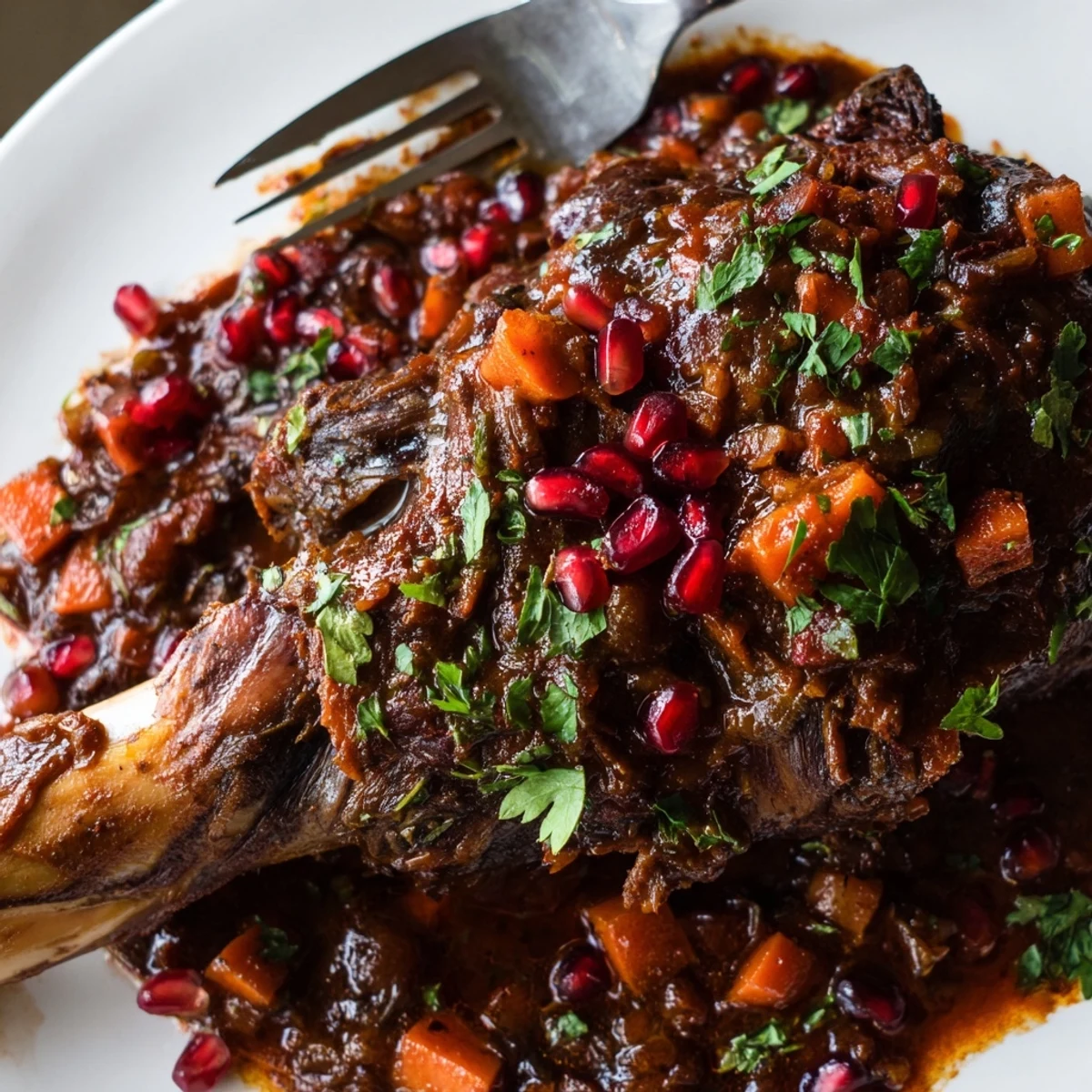
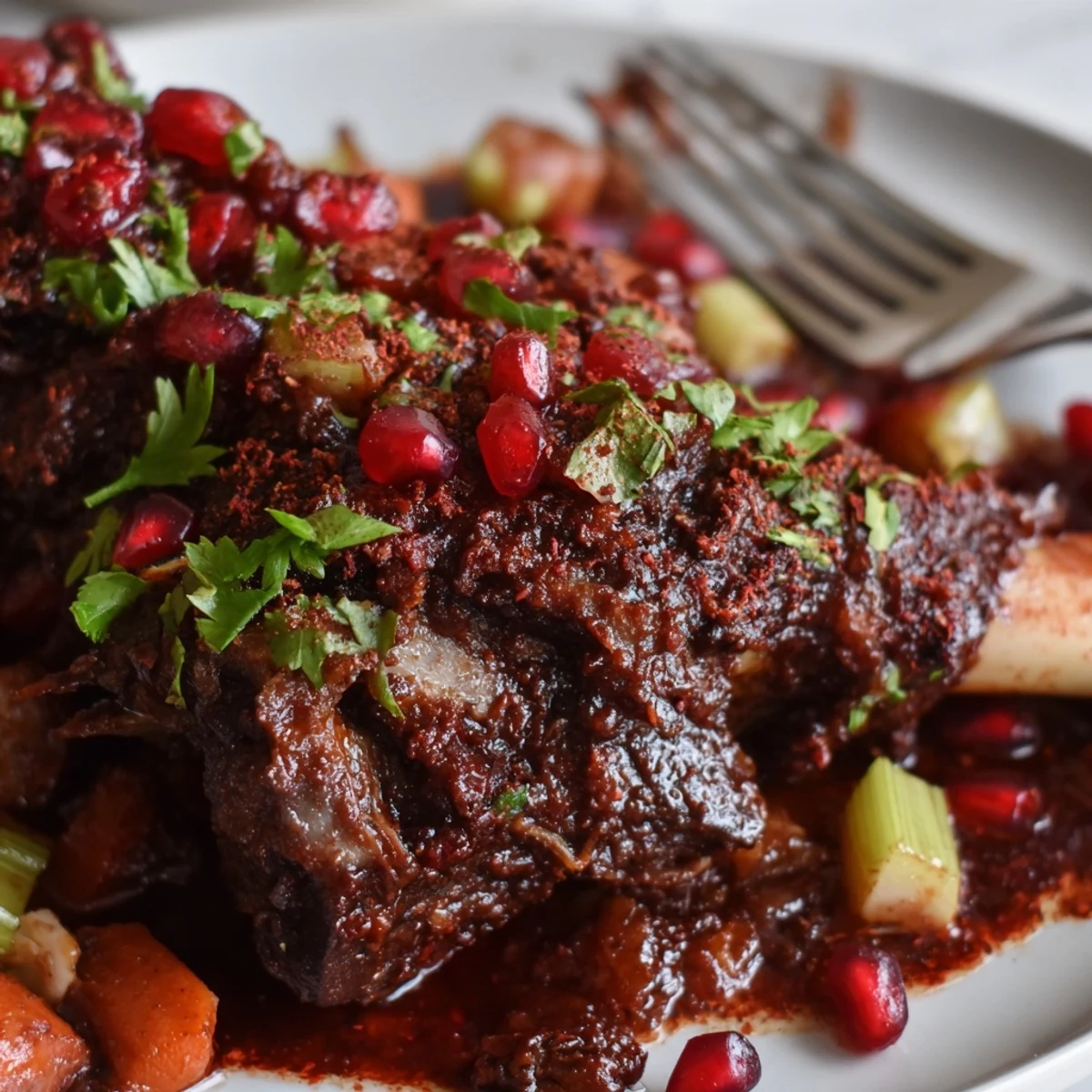
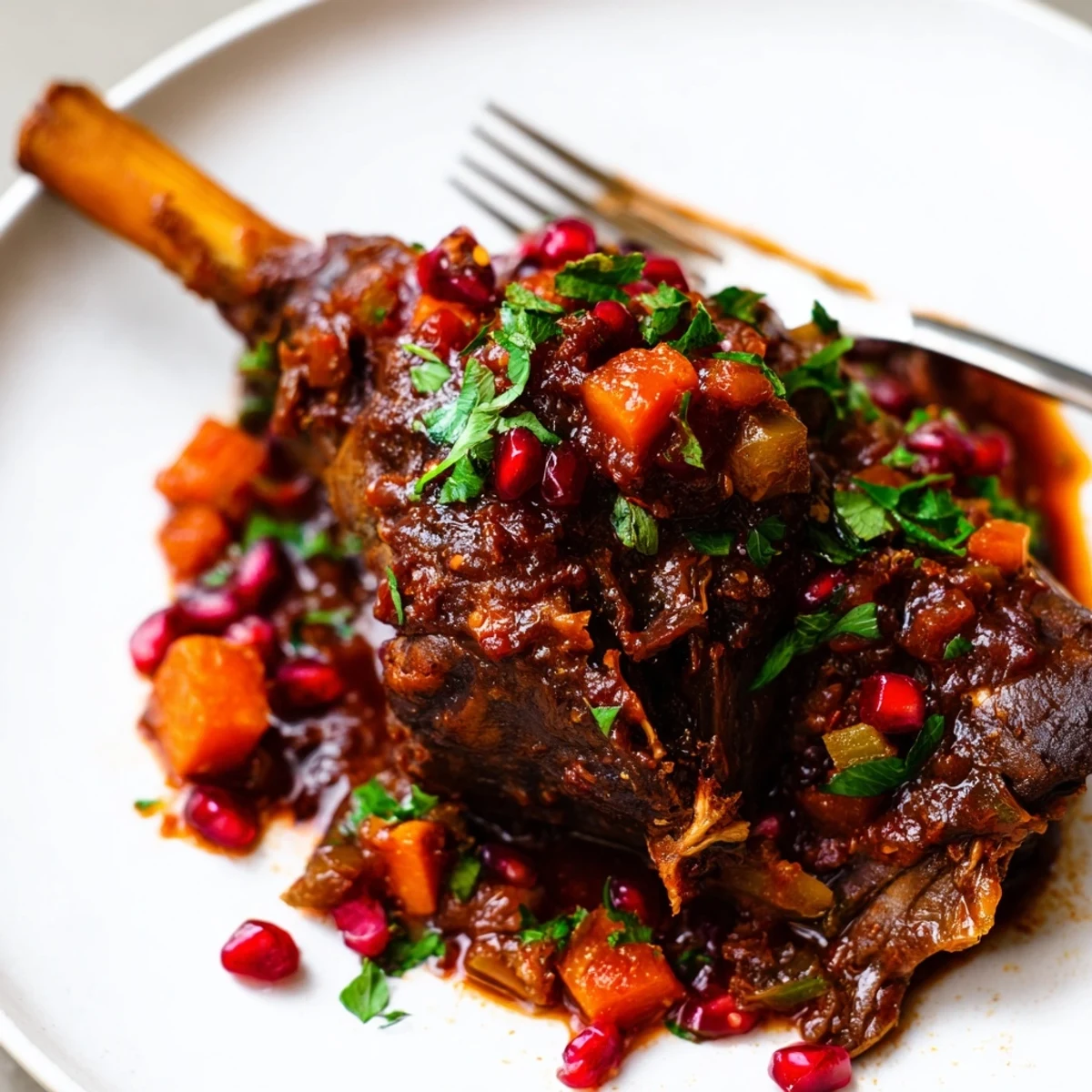
 Tender lamb shanks are slow-cooked in a fragrant spice blend including cumin, coriander, and cinnamon, then finished with tangy pomegranate molasses. The meat becomes fall-off-the-bone soft during the 2.5 hours in the oven, with a rich sauce that thickens as it reduces. Aromatics like onions, carrots, garlic, and celery build depth, balanced by the sweetness and tartness of pomegranate elements. This hearty dish is ideal for sharing on special occasions and pairs well with saffron rice or couscous.
There's a moment in late autumn when the kitchen calls for something warm and complex, and that's when I reach for lamb shanks. Years ago, a friend from Lebanon brought a pot of braised lamb to a dinner party, and the combination of pomegranate molasses with those deep spices completely shifted how I thought about cooking meat. Now, whenever I make this dish, the apartment fills with cinnamon and cumin, and everyone who walks in just stops and asks what's happening.
I made this for my partner's birthday dinner once, and I remember being nervous about the timing because everything seemed fragile and important. The pot simmered away for hours while we set the table, and when we lifted the lid near the end, the steam rose up with these layers of smell—pomegranate, spice, slow-cooked lamb—and suddenly I knew it was going to be perfect.
Ingredients
- Lamb shanks: Choose pieces with good bone exposure and marbling; they're what make this dish so rich and gelatinous.
- Onions, garlic, carrots, and celery: This aromatic base gives the sauce backbone and prevents it from tasting flat.
- Ground cumin and coriander: These two do most of the flavor work, so don't skip them or reduce them.
- Cinnamon and allspice: They create warmth without announcing themselves loudly.
- Smoked paprika: Adds depth and a whisper of smoke that balances the fruit.
- Pomegranate juice and molasses: The juice provides acidity and the molasses brings tanginess; both are essential and not interchangeable.
- Tomato paste: Deepens the color and adds umami without making it taste like tomato.
- Olive oil: Use something you'd actually taste, not the cheapest bottle.
- Pomegranate seeds and parsley: Fresh garnishes that wake up the dish at the very end.
Instructions
- Prepare your oven and season the shanks:
- Preheat to 160°C and pat the lamb completely dry with paper towels; this matters more than you'd think for getting a good crust.
- Sear the meat until golden:
- Heat olive oil in your Dutch oven until it shimmers, then place each shank in with a satisfying sizzle. Give them at least two minutes per side without moving them around; you want that crust.
- Build the flavor base:
- Once the shanks are resting, add your onions, carrots, and celery to the same pot and let them soften until they're turning golden at the edges. This takes longer than you think and tastes better when you're patient.
- Wake up the spices:
- Add your garlic and all the dry spices, stirring constantly for just about a minute until the whole kitchen smells like a spice market. Quickly add the tomato paste and cook another minute before things stick.
- Bring it all together:
- Nestle the lamb back in, pour in the pomegranate juice, stock, and molasses, and let everything simmer on the stovetop for a minute. You should see it bubbling gently before it goes into the oven.
- Braise low and slow:
- Cover the pot and slide it into the oven for two to two and a half hours, turning the shanks halfway through so they cook evenly. The meat will look like it's barely holding onto the bone when it's done.
- Reduce the sauce:
- Remove the lid for the last twenty minutes and let the liquid reduce and concentrate, stirring occasionally. It should coat a spoon and taste balanced between rich, tangy, and warming.
- Finish with brightness:
- Spoon that gorgeous sauce over each shank, scatter pomegranate seeds and parsley on top, and bring it straight to the table.
 Save to Pinterest
 I once made this dish and forgot to add the pomegranate molasses until the very end, stirring it in at the table like it was some kind of secret ingredient reveal. Everyone tasted it and suddenly understood why I'd been raving about the recipe all week.
Timing and Temperature
The low temperature in the oven—160°C—is crucial because it allows the connective tissue in the shanks to break down gradually without the outside becoming tough. Rushing this with higher heat means your timing gets unpredictable and the meat can seize up before the inside gets tender. I've learned that checking at the two-hour mark and gently tugging the meat with a fork is more reliable than the clock.
Complementary Sides
Saffron rice is the obvious pairing and for good reason—it's delicate enough not to fight with the sauce and luxurious enough to match the lamb. Couscous works beautifully too if you want something lighter, and roasted root vegetables like parsnips and beets actually echo the earthiness of the spices. I've also served it over creamy polenta, which sounds unusual until you taste how well it catches the sauce.
Variations and Improvisation
Once you understand how this dish works, it becomes a framework for creativity rather than a rigid set of rules. I've added dried figs for extra sweetness, stirred in pomegranate seeds halfway through cooking to intensify their flavor, and even substituted beef or venison shanks when lamb wasn't available. A cinnamon stick and bay leaf floating in the liquid adds subtle complexity, and some cooks add a splash of red wine or even coffee to deepen the sauce further.
- Try adding a tablespoon of pomegranate molasses at the very end if you want the tang to pop more noticeably.
- Lamb shoulder cubes will cook faster if you're short on time, though you lose some of that bone marrow magic.
- Don't be afraid to taste the sauce multiple times and adjust for salt or acidity as it reduces.
 Save to Pinterest
 This is the kind of dish that turns a regular evening into something memorable, the way a good meal can shift the entire mood of a day. Every time you make it, you'll taste something slightly different, which is exactly how it should be.
Recipe FAQs
- → What spices complement the lamb shanks in this dish?
-
A warm blend of ground cumin, coriander, cinnamon, allspice, smoked paprika, and black pepper creates a fragrant and balanced spice profile.
- → How long should I cook the lamb shanks for tenderness?
-
Braised in the oven at 160°C (320°F) for about 2 to 2.5 hours, the lamb becomes tender and easily falls off the bone.
- → Can I use beef shanks instead of lamb?
-
Yes, beef shanks are a suitable alternative and will also develop rich flavors with the same slow cooking method.
- → What should I serve alongside the lamb shanks?
-
This dish pairs beautifully with saffron rice, couscous, or roasted vegetables to complement its robust flavors.
- → How does pomegranate molasses influence the dish?
-
Pomegranate molasses adds a tangy sweetness that balances the spices and enriches the braising sauce with a distinctive, aromatic depth.