
 Save to Pinterest
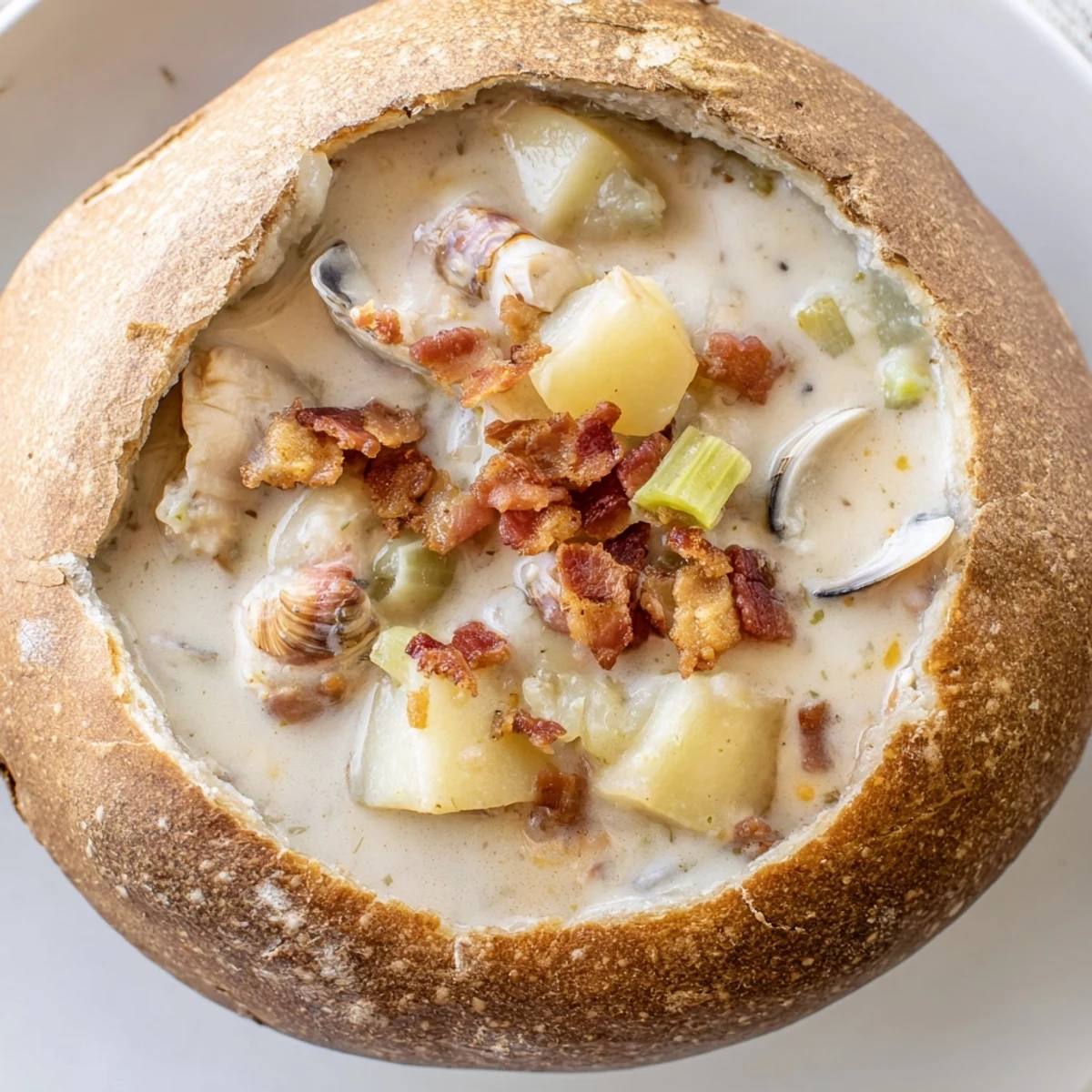
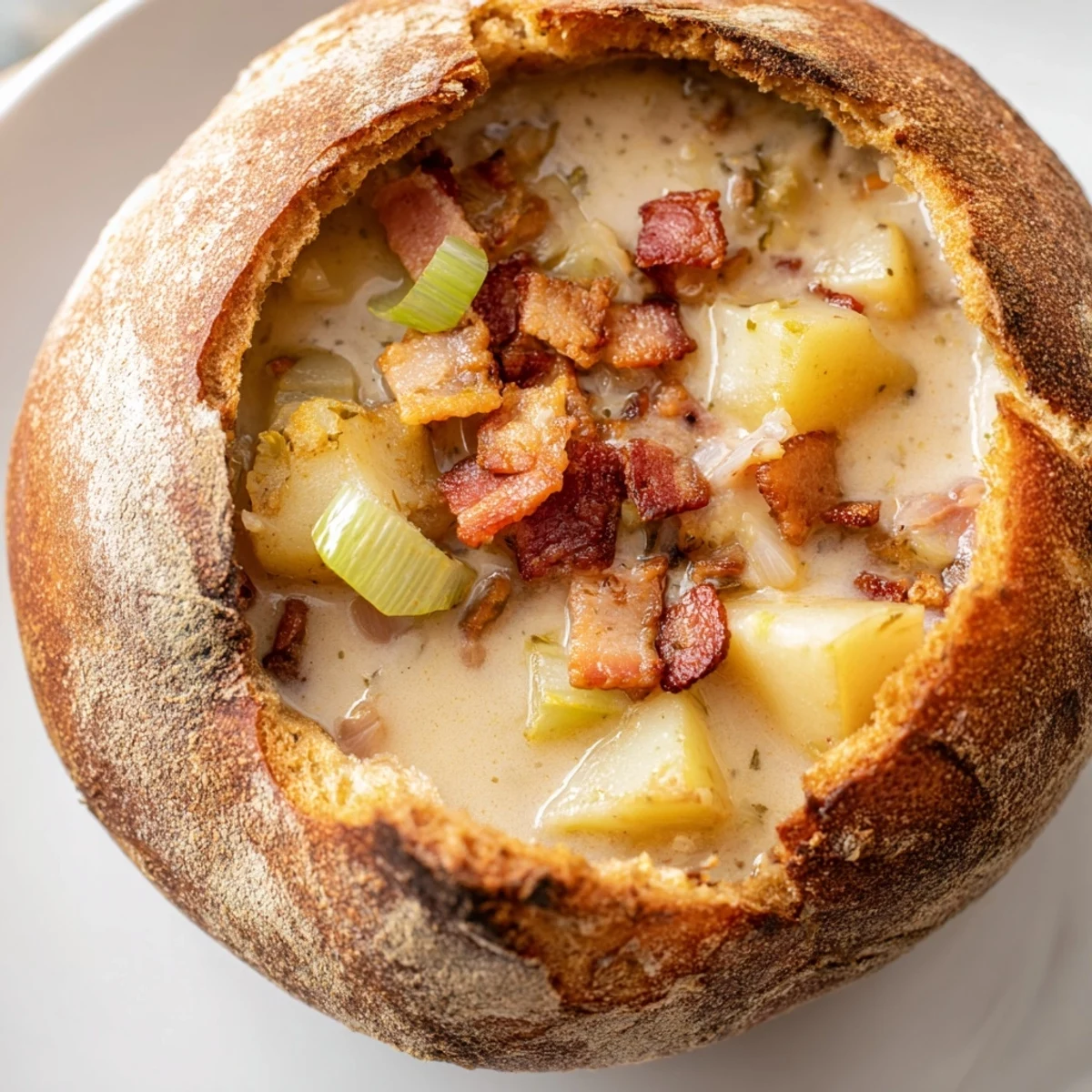
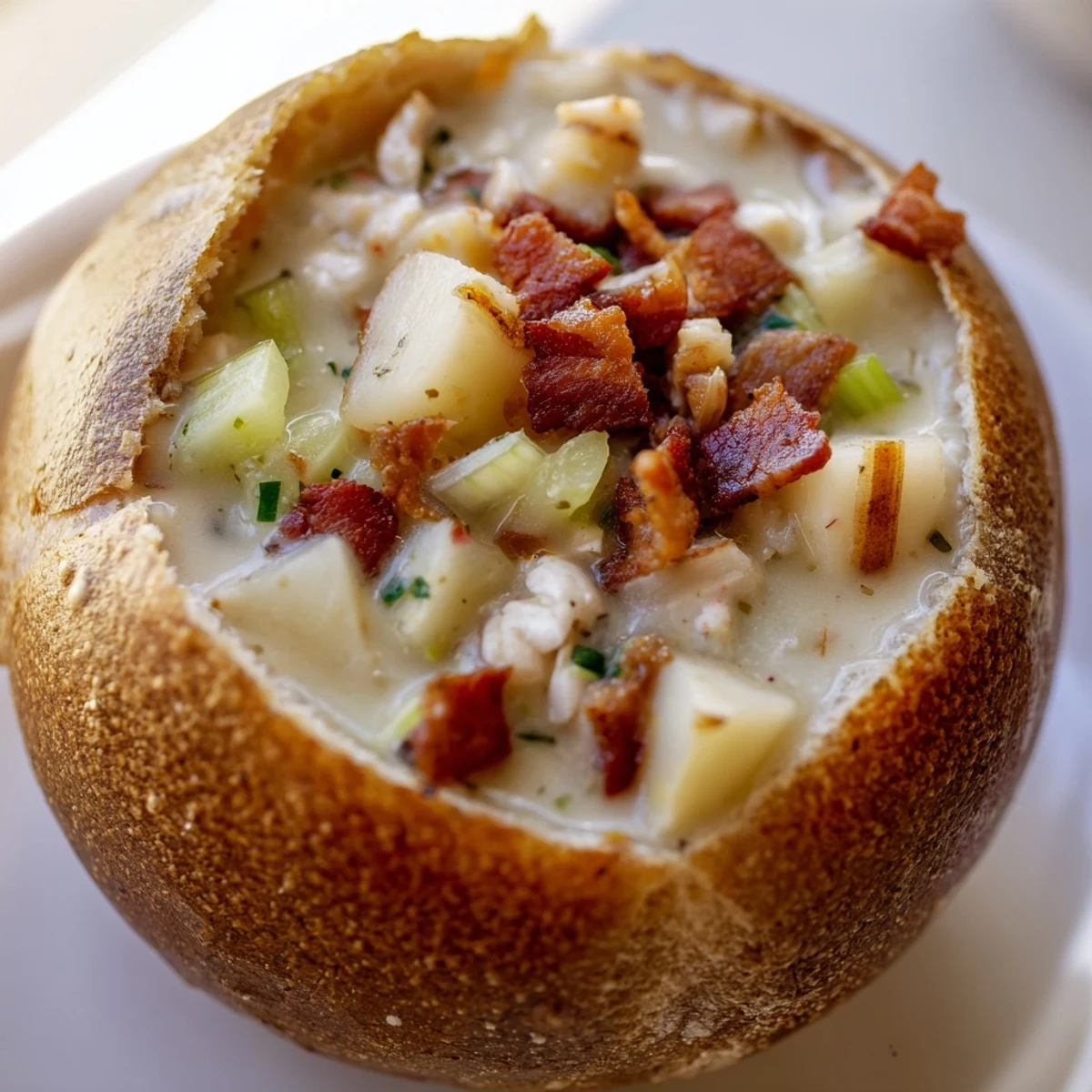
 This comforting dish features a velvety blend of tender clams, smoky bacon, and diced potatoes simmered in a creamy broth. The base is enriched with butter, aromatic vegetables, and a hint of thyme creating a deeply flavorful new england style chowder. Served in hollowed sourdough bread bowls, the chowder offers both a flavorful and rustic presentation. The slow sautéing of bacon fat with onions and celery adds a smoky depth, while gradual mixing of clam juice and dairy yields a smooth texture. Perfect for a medium-difficulty meal with rich layers of taste and satisfying warmth.
The first snow was falling outside my kitchen window when I decided to attempt restaurant-style clam chowder at home. I'd always ordered it at seaside shanties, convinced there was some maritime secret I couldn't replicate in my landlocked apartment. That evening, with bacon crackling and cream warming on the stove, I discovered the real secret was patience and a willingness to make a mess.
My roommate walked in midway through stirring and immediately abandoned her plans for takeout. We ended up eating standing up, bowls in hand, steam fogging up the windows while the snow kept falling outside. Neither of us said much except occasional murmurs of approval between spoonfuls.
Ingredients
- 500 g (1 lb) canned chopped clams: The drained juice becomes the base of your broth, so don't discard a single drop
- 100 g (3.5 oz) bacon, diced: Smoky rendered fat builds layers of flavor that butter alone could never achieve
- 1 medium onion, finely chopped: Foundation aromatics that melt into the creamy background
- 2 celery stalks, finely chopped: Essential for that classic chowder backbone and subtle crunch
- 2 medium potatoes, peeled and diced: Yukon Gold or Russet hold their shape through long simmering
- 2 cloves garlic, minced: Add after onions soften to avoid burning and bitterness
- 250 ml (1 cup) clam juice: Use the reserved canned juice plus bottled to reach one full cup
- 500 ml (2 cups) whole milk: Room temperature prevents shocking the hot base
- 250 ml (1 cup) heavy cream: The difference between good chowder and the kind you daydream about
- 2 tbsp unsalted butter: Helps bloom the flour into a silky roux
- 2 tbsp all-purpose flour: Creates the velvety body that defines New England style
- 1 bay leaf: Remove before serving, but let it work its quiet magic during cooking
- 1/2 tsp dried thyme: Earthy notes that bridge the gap between seafood and cream
- Salt and freshly ground black pepper, to taste: Wait until the end since clams and bacon both bring salinity
- 4 round sourdough bread loaves: Small rounds, about 15 cm across, with sturdy crusts that won't surrender too quickly
Instructions
- Crisp the bacon:
- Cook the diced bacon in a large pot over medium heat until it's crisp and has rendered its fat. Remove with a slotted spoon and set aside, leaving all that golden fat behind in the pot.
- Build the aromatics:
- Add butter to the bacon fat, then sauté the onion and celery until softened and fragrant, about 5 minutes. Stir in the garlic and cook for just 1 minute more until it releases its perfume.
- Make the roux:
- Sprinkle the flour over the vegetables and stir constantly to form a paste that coats everything. Cook for 2 minutes, allowing the raw flour taste to cook out while the mixture bubbles gently.
- Create the base:
- Gradually whisk in the clam juice, scraping up any browned bits from the bottom of the pot. Add the diced potatoes, bay leaf, thyme, and season lightly with salt and pepper.
- Simmer the potatoes:
- Bring everything to a simmer, cover, and cook for 15 to 20 minutes until the potatoes are tender when pierced with a knife. The broth will have thickened slightly from the potato starch.
- Add the cream and clams:
- Reduce heat to low and stir in the milk, cream, drained clams, and half of the cooked bacon. Heat gently for 5 minutes without boiling, then adjust the seasoning.
- Prepare the bread bowls:
- Slice off the tops of the sourdough rounds and hollow out the centers, leaving a thick shell to hold the chowder. Save the bread pieces for dipping later.
- Assemble and serve:
- Ladle the hot chowder into each bread bowl immediately. Garnish with the reserved crispy bacon and fresh parsley if you have it on hand.
 Save to Pinterest
 That snowy night became the first of many chowder traditions in our apartment. Now whenever the forecast turns grim, someone texts the group chat: bread bowl weather
Making It Your Own
Extra cream creates an even richer experience, while smoked ham can substitute for bacon if you prefer something milder. The flexibility of this base means you can adjust to whatever you have on hand without sacrificing comfort.
The Perfect Pairing
A crisp Sauvignon Blanc cuts through the creaminess while complementing the sweet brine of the clams. The acidity balances each rich spoonful, making every bite feel complete rather than overwhelming.
Bread Bowl Wisdom
Not all sourdough loaves are created equal when it comes to serving vessels. The wrong bread turns soggy before you finish eating, leaving you with a delicious but disappointing mess.
- Choose loaves with thick, sturdy crusts that feel heavy for their size
- Test the interior density and avoid anything too airy or soft
- Don't hollow them out more than an hour before serving or they'll lose structural integrity
 Save to Pinterest
 There's something profoundly satisfying about eating your bowl when you're done. No dishes, just memories.
Recipe FAQs
- → How do I prepare the sourdough bowl?
-
Slice off the top of each sourdough loaf and hollow out the center, leaving a sturdy shell to hold the chowder.
- → Can I substitute smoked ham for the bacon?
-
Yes, smoked ham can replace bacon for a milder, smoky flavor without losing richness.
- → How can I make this chowder gluten-free?
-
Use gluten-free bread for the bowls and substitute all-purpose flour with a gluten-free alternative when making the roux.
- → What’s the best way to ensure the potatoes are tender?
-
Simmer the potatoes uncovered for 15–20 minutes until they yield easily when pierced with a fork.
- → Can I enhance the richness of the chowder?
-
Replace half of the milk with additional heavy cream to achieve a creamier texture and more indulgent mouthfeel.