
 Save to Pinterest
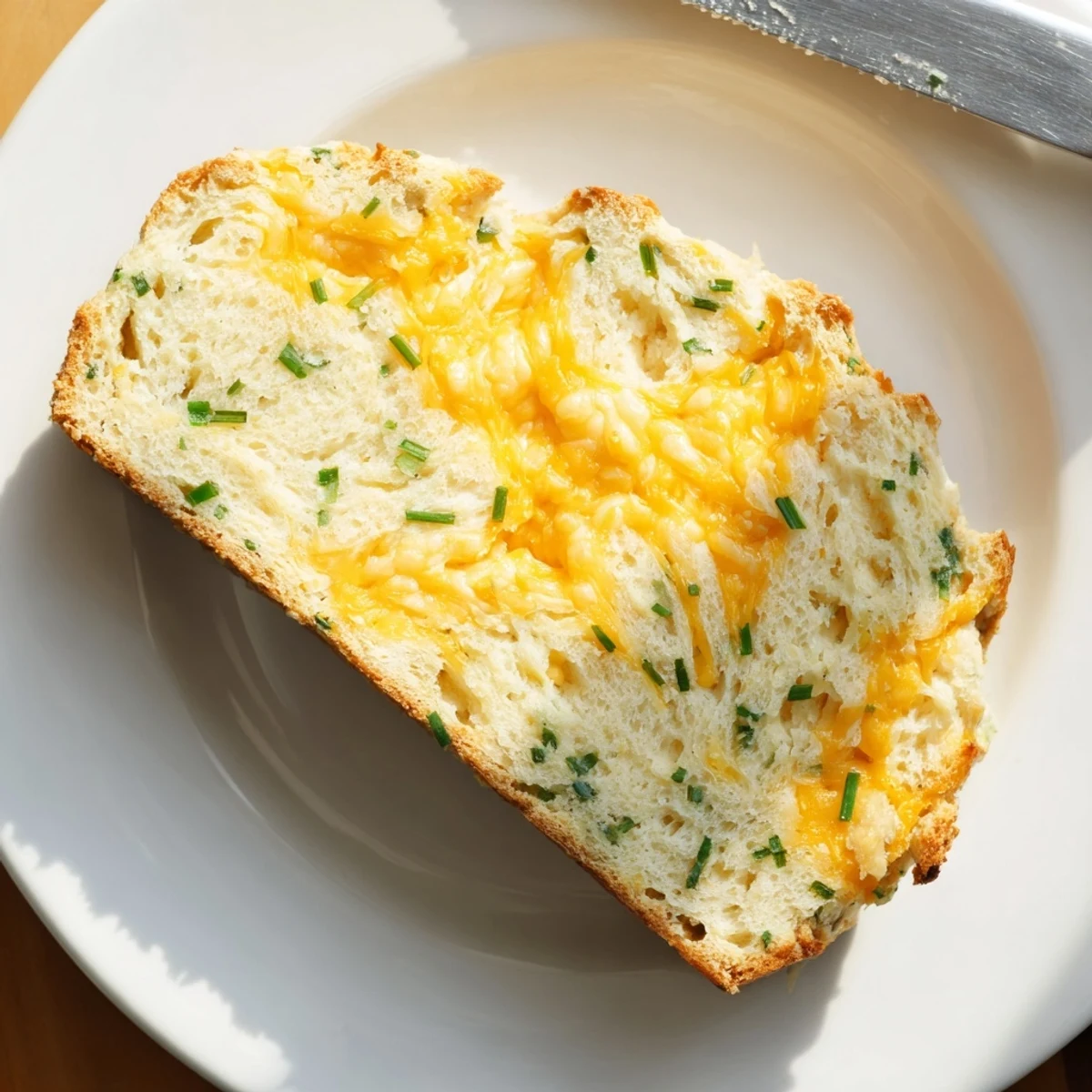
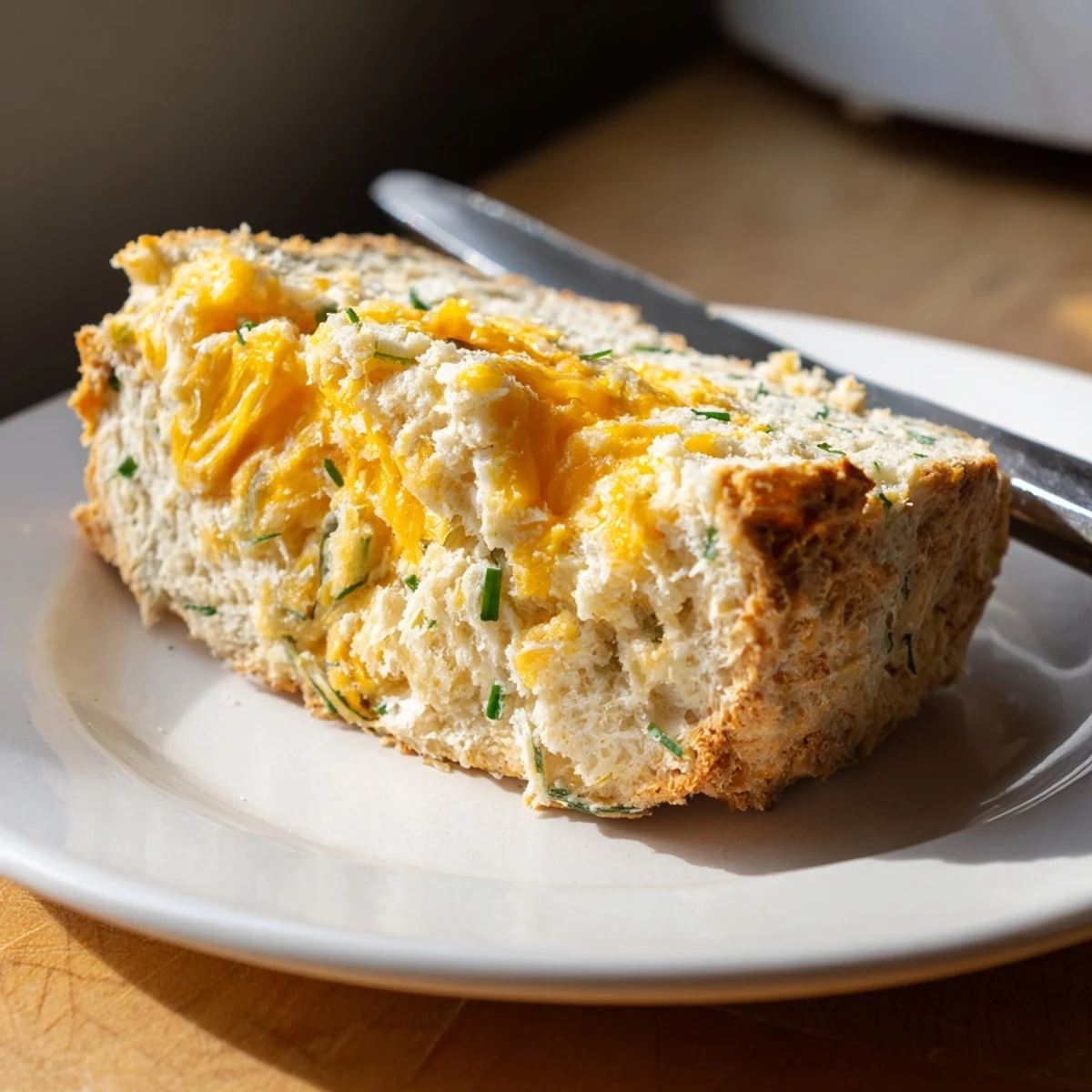
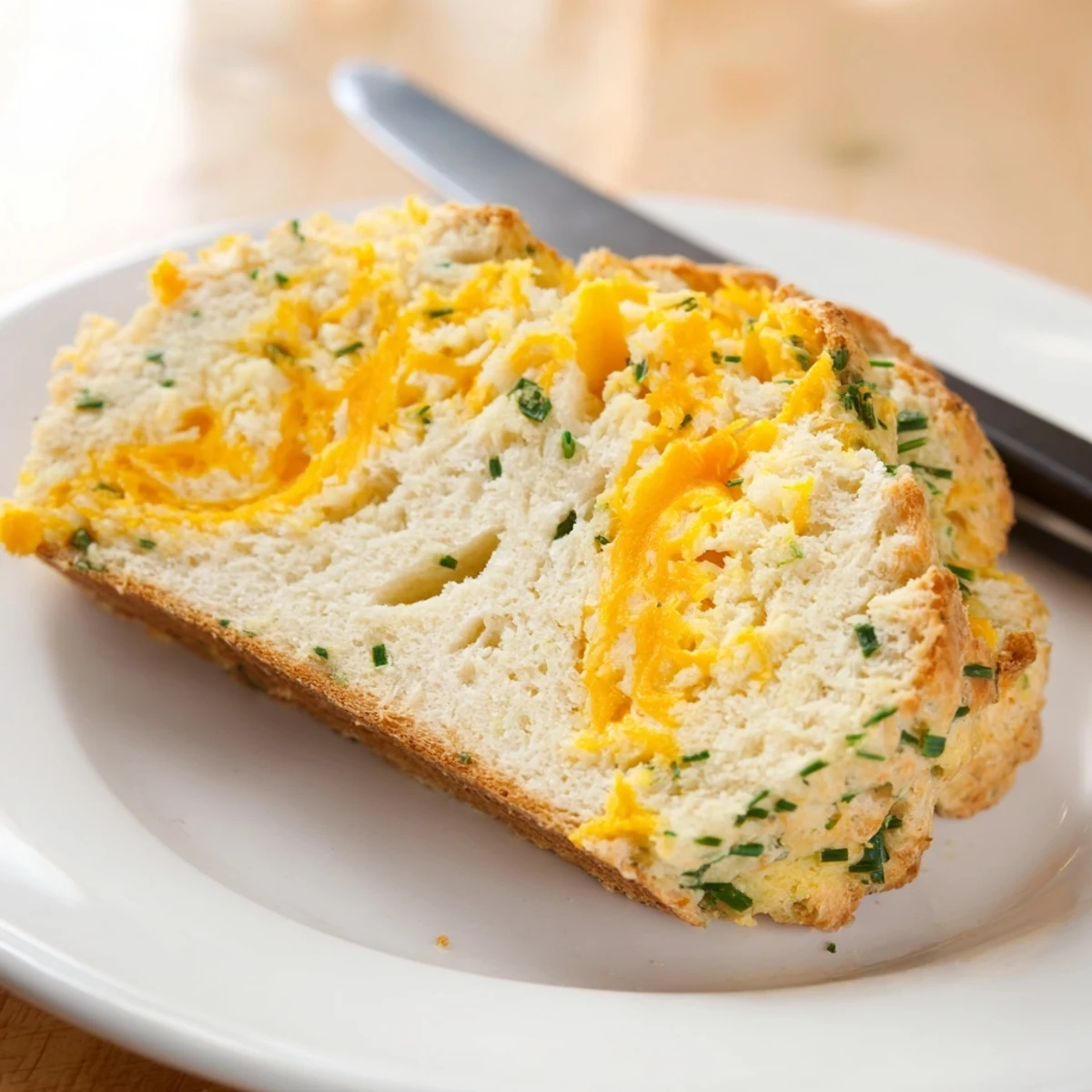
 This Irish soda bread blends sharp cheddar and fresh chives for a savory touch. Combining all-purpose flour, baking soda, and buttermilk creates a tender, quick-rise dough that forms a golden, cheesy crust when baked. The loaf is easy to prepare, requiring minimal kneading and no yeast, making it an accessible choice for a hearty, flavorful bread. It pairs beautifully with soups, stews, or simply warmed with butter, offering a comforting, rustic experience with every slice.
My tiny apartment kitchen smelled like heaven the first time I baked this bread. I had friends coming over for soup, and panic set in when I realized I had nothing to serve with it. This quick bread saved my dinner party and has been a go-to ever since.
Last winter during a snowstorm, I made three loaves back to back. Something about warm cheesy bread and howling winds just feels right. My neighbor texted asking what smelled so good, which is basically the highest compliment you can get in an apartment building.
Ingredients
- 3 1/2 cups all-purpose flour: This foundation gives the bread structure while keeping the crumb tender
- 1 tsp baking soda: The leavening agent that creates the breads rise and characteristic texture
- 1 tsp fine sea salt: Enhances all the flavors and balances the rich cheese
- 1/2 tsp freshly ground black pepper: Adds a subtle warmth that complements the sharp cheddar
- 1 1/2 cups sharp cheddar cheese, coarsely grated: The star ingredient that makes this bread irresistible and creates those melty pockets
- 1/3 cup fresh chives, finely chopped: Brings a mild onion flavor and pretty green specks throughout
- 1 3/4 cups buttermilk: Provides acidity to activate the baking soda and creates tenderness
- 2 tbsp unsalted butter, melted and cooled: Adds richness and helps achieve that beautiful golden crust
Instructions
- Preheat your oven:
- Heat to 400°F (200°C) and line a baking sheet with parchment paper so nothing sticks
- Whisk the dry ingredients:
- In a large bowl, combine flour, baking soda, salt, and pepper until well blended
- Add the cheese and chives:
- Stir in the grated cheddar and chopped chives until evenly distributed throughout the flour mixture
- Create the dough:
- Make a well in the center, pour in buttermilk and melted butter, then mix until a shaggy dough forms
- Shape gently:
- Turn onto a floured surface, lightly knead just until it comes together, and form into a 7-inch round
- Score and bake:
- Cut a deep X across the top with a sharp knife, then bake for 30 to 35 minutes until deeply golden
- Cool before slicing:
- Let rest on a wire rack for at least 15 minutes so the interior sets properly
 Save to Pinterest
 This bread became my signature at family gatherings. My dad actually requested it for his birthday instead of cake one year, which tells you everything about how good it is.
Making It Your Own
I have discovered that adding herbs transforms this bread. Try thyme, rosemary, or even a pinch of cayenne for some warmth.
Serving Suggestions
Slice it thick while still warm and slather with salted butter. It is also perfect alongside hearty soups or stews.
Storage Tips
Keep it wrapped at room temperature for up to two days. After that, slice and freeze for up to three months.
- Wrap well to prevent drying out
- Reheat in a 350°F oven for 10 minutes to refresh
- Toasted leftovers make incredible breakfast bread
 Save to Pinterest
 There is something deeply satisfying about making your own bread, especially one this rewarding and delicious.
Recipe FAQs
- → What makes Irish soda bread unique?
-
Irish soda bread uses baking soda as a leavening agent instead of yeast, resulting in a quick and tender loaf with a dense crumb.
- → How do cheddar and chives affect the bread's flavor?
-
Sharp cheddar provides a rich, tangy depth while fresh chives add a mild onion-like brightness, enhancing the savory profile.
- → Can I substitute other herbs for chives?
-
Yes, green onions or thyme work well as alternatives, each adding its own subtle herbal notes.
- → Why is it important not to over-knead the dough?
-
Over-kneading can develop too much gluten, making the bread tough rather than tender and crumbly.
- → What indicates the bread is fully baked?
-
The loaf is golden brown with a deep X cut on top, and it sounds hollow when tapped on the bottom.
- → How should the bread be served for best taste?
-
Serve warm or at room temperature, ideally with butter or alongside soups and stews for a comforting meal.