
 Save to Pinterest
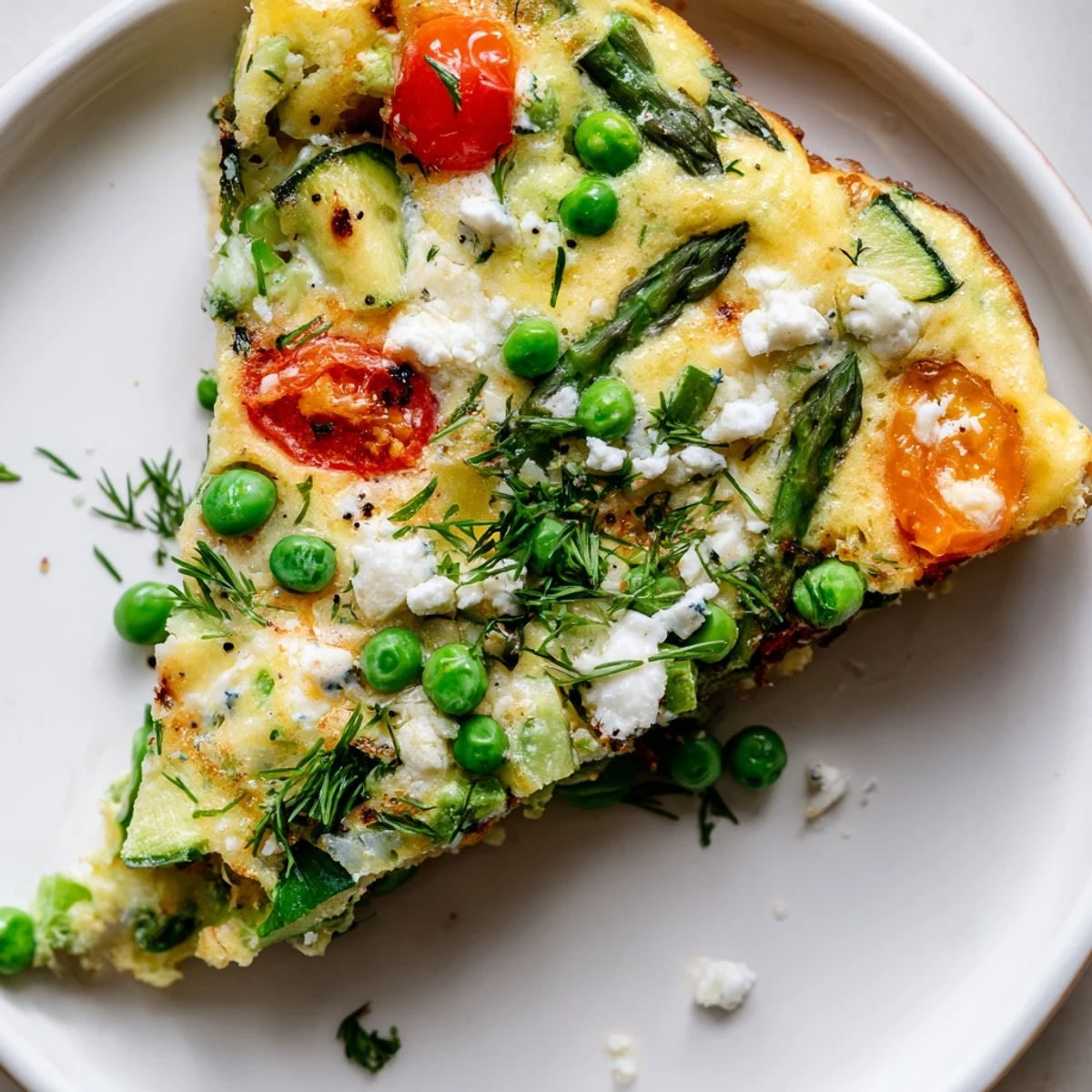
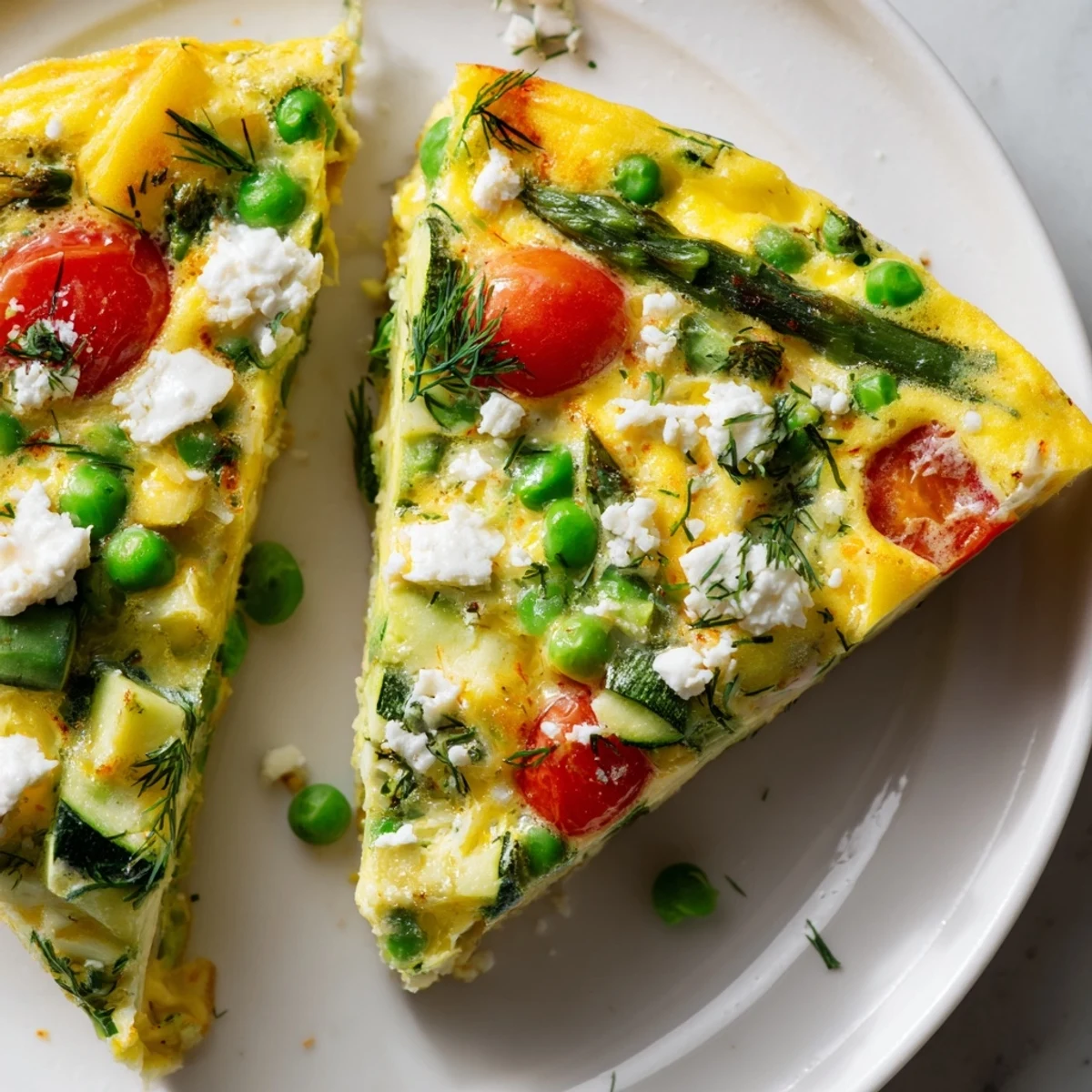
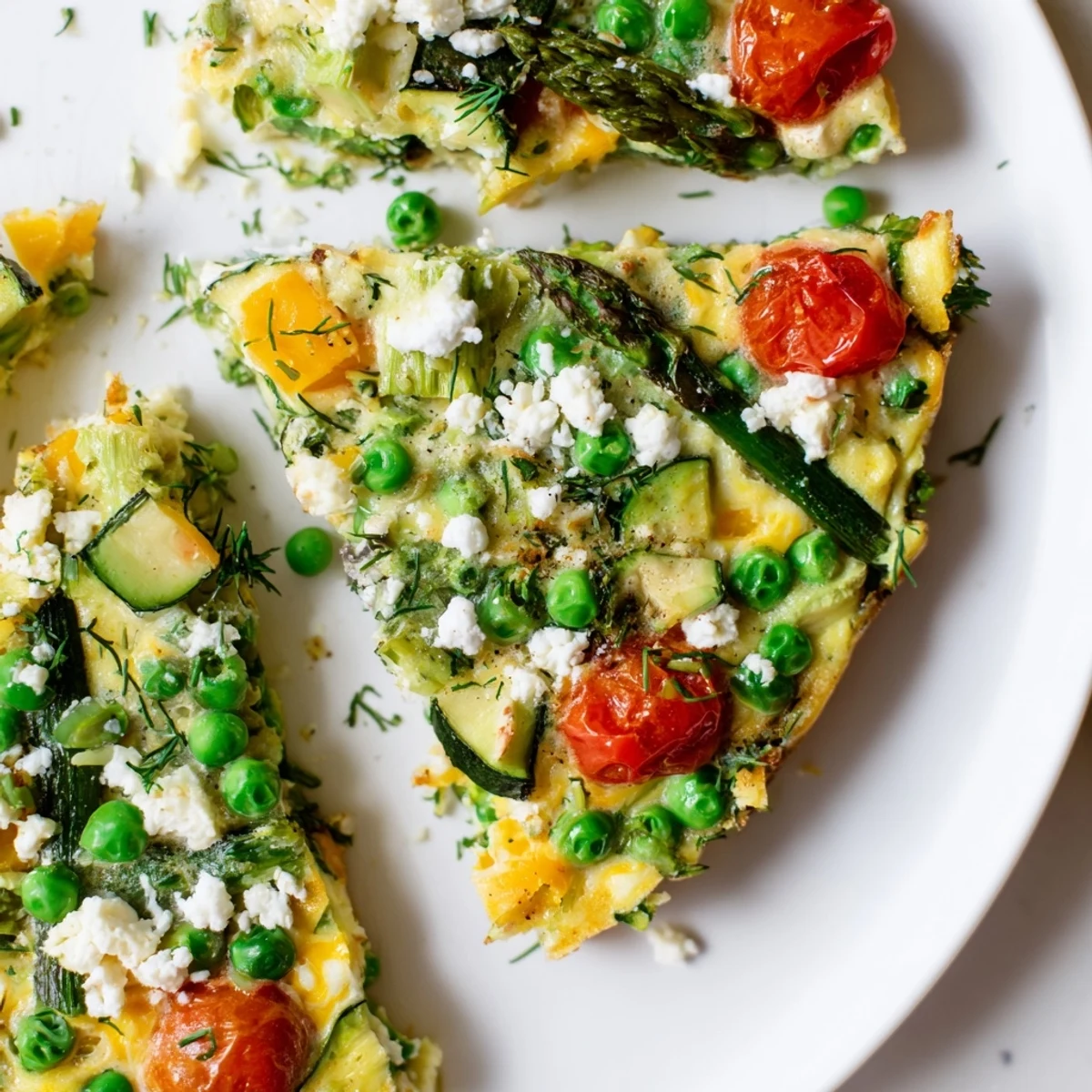
 This light frittata features tender asparagus, spinach, peas, zucchini, and cherry tomatoes, enhanced with fresh chives, parsley, and dill. Cooked gently on the stovetop before finishing in the oven, it offers a perfect balance of textures and flavors. The creamy feta and Parmesan cheeses add richness, while the butter-sautéed shallots provide aromatic depth. Ideal for a light brunch or simple supper, this dish highlights seasonal vegetables and fresh herb brightness.
The first time I made a frittata, I was living in a tiny apartment with a temperamental oven and a windowsill full of herbs. I had grabbed an armful of vegetables from the farmers market, not really knowing what I would make with them. That accidental combination of asparagus, peas, and fresh dill became the dish I now make every spring when the market tables start overflowing with green things again.
Last spring, my sister came over for what was supposed to be a quick catch-up lunch and ended up staying for four hours, picking at the frittata on the counter while we talked about everything and nothing. There is something about a dish that is meant to be shared leisurely that makes conversations flow easier.
Ingredients
- Asparagus: Look for spears that snap cleanly when you bend them, which means they are young and tender rather than woody
- Baby spinach: Add it at the very end so it just wilts but does not turn into mush
- Green peas: Fresh peas are wonderful but frozen work perfectly here, just thaw them first so they do not make the fritt watery
- Zucchini: Dice it small so it cooks through quickly and you get tender bites rather than crunchy chunks
- Cherry tomatoes: They burst slightly in the oven creating little pockets of juicy sweetness
- Shallot: More subtle than onion and brings a gentle sweetness that complements the spring vegetables
- Eggs: Room temperature eggs whisk up better and create a more uniform texture
- Whole milk: Makes the eggs creamy without making them too heavy or custard-like
- Feta cheese: Salty and tangy, it cuts through the richness of the eggs and adds texture
- Parmesan cheese: Adds a savory depth that makes simple vegetables taste more complex
- Unsalted butter: Use it to sauté the vegetables because it adds flavor you cannot get from oil
- Fresh herbs: The combination of chives, parsley, and dill is what makes this taste like spring, not just a generic egg dish
- Salt and pepper: Taste the vegetable mixture before adding the eggs so you do not overseason
Instructions
- Get the oven ready:
- Preheat the oven to 375°F and move your oven rack to the middle position so the fritt cooks evenly without browning too quickly on top.
- Soften the aromatics:
- Melt the butter in your oven-safe skillet over medium heat and cook the shallot until it is soft and fragrant, about two minutes.
- Cook the harder vegetables:
- Add the asparagus, zucchini, and peas to the skillet and let them cook until they are just tender, three to four minutes.
- Add the delicate vegetables:
- Stir in the spinach and cherry tomatoes and cook for just one minute until the spinach wilts and everything looks bright and fresh.
- Whisk the egg mixture:
- In a large bowl, whisk together the eggs, milk, half of the feta, the Parmesan, all the herbs, and salt and pepper until everything is well combined.
- Combine everything:
- Pour the egg mixture over the vegetables in the skillet and give it a gentle stir to distribute everything evenly, then sprinkle the remaining feta on top.
- Set the edges on the stove:
- Cook the fritt over medium-low heat for three to four minutes until you can see the edges starting to firm up.
- Finish in the oven:
- Transfer the skillet to the oven and bake for ten to twelve minutes until the center is just set and the top is lightly golden.
- Let it rest before serving:
- Give the frittata a few minutes to cool slightly, which makes it easier to slice cleanly.
 Save to Pinterest
 This recipe has become my go-to when friends have new babies or are moving houses, something that can be eaten with one hand while juggling a newborn or a cardboard box. There is something deeply comforting about food that does not demand to be eaten hot to be good.
Make It Your Own
I have learned that frittatas are incredibly forgiving, which is why they are perfect for using up whatever vegetables you have on hand. Sometimes I use goat cheese instead of feta when I want something creamier and milder.
Serving Suggestions
A crisp green salad with a lemon vinaigrette cuts through the richness of the eggs and cheese. In summer, I serve it with sliced tomatoes and a drizzle of good olive oil.
Storage And Reheating
The frittata keeps well in the refrigerator for up to three days and actually tastes better the next day when the flavors have had time to meld together. I like to reheat slices gently in a skillet rather than the microwave to preserve the texture.
- Wrap individual slices in foil and freeze for up to two months
- Let frozen slices thaw overnight in the refrigerator before reheating
- Serve leftovers at room temperature for a quick lunch with no reheating needed
 Save to Pinterest
 Spring is short and sweet, much like this frittata. Make it while the asparagus is still tender and the herbs are at their most fragrant.
Recipe FAQs
- → What vegetables are best for this dish?
-
Asparagus, spinach, peas, zucchini, and cherry tomatoes provide a fresh, springtime flavor and tender texture that works beautifully here.
- → Can I substitute the cheeses used?
-
Yes, goat cheese or ricotta can replace feta for a different creamy note without losing richness.
- → How do herbs influence the flavor?
-
Fresh chives, parsley, and dill brighten the dish, adding fragrant and slightly tangy layers that complement the vegetables.
- → What type of pan is recommended?
-
An oven-safe skillet, ideally 10-12 inches, ensures easy stovetop cooking and seamless transfer to the oven for baking.
- → How should this dish be served?
-
Serve warm or at room temperature, making it suitable for brunch or a light supper paired with crisp white wine.