
 Save to Pinterest
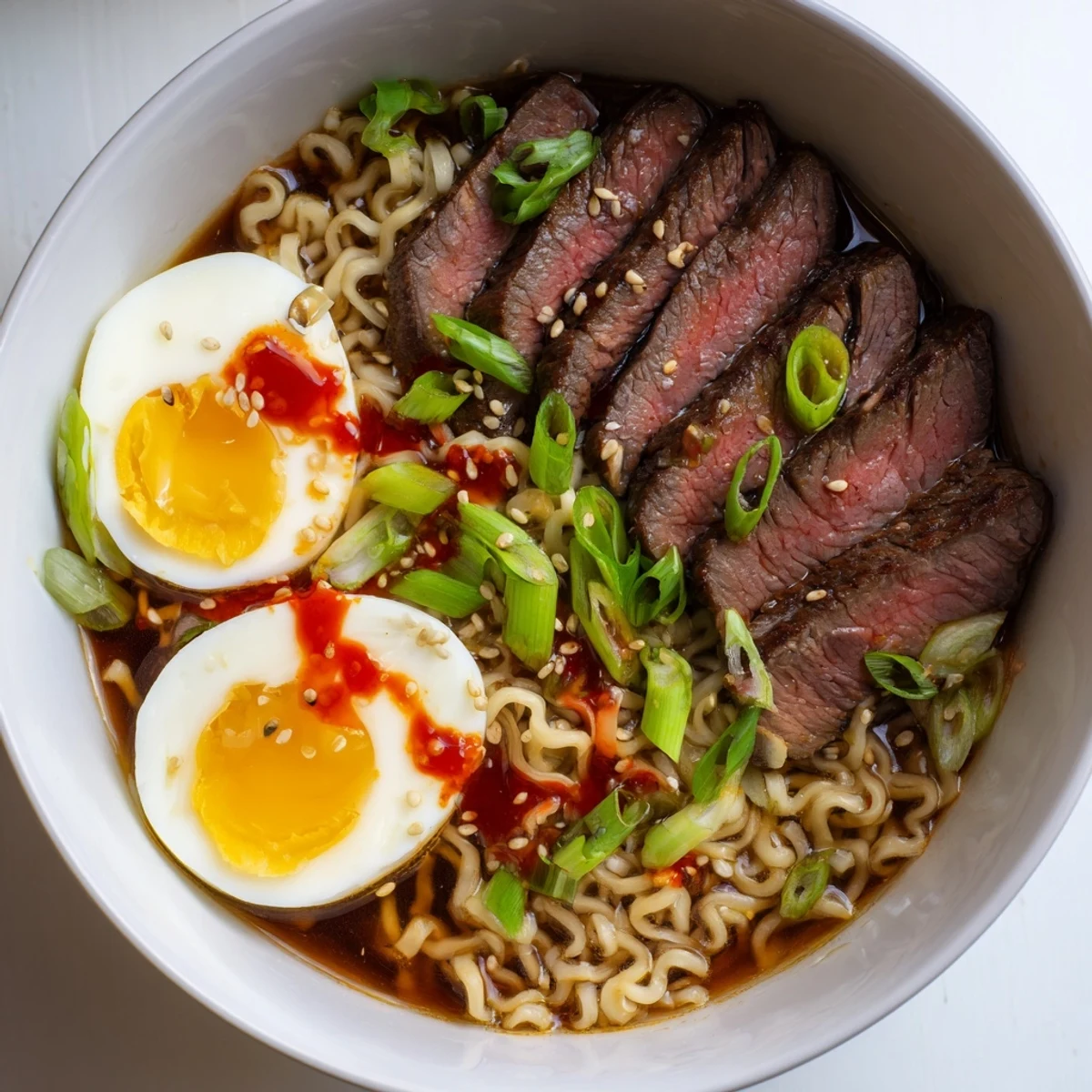
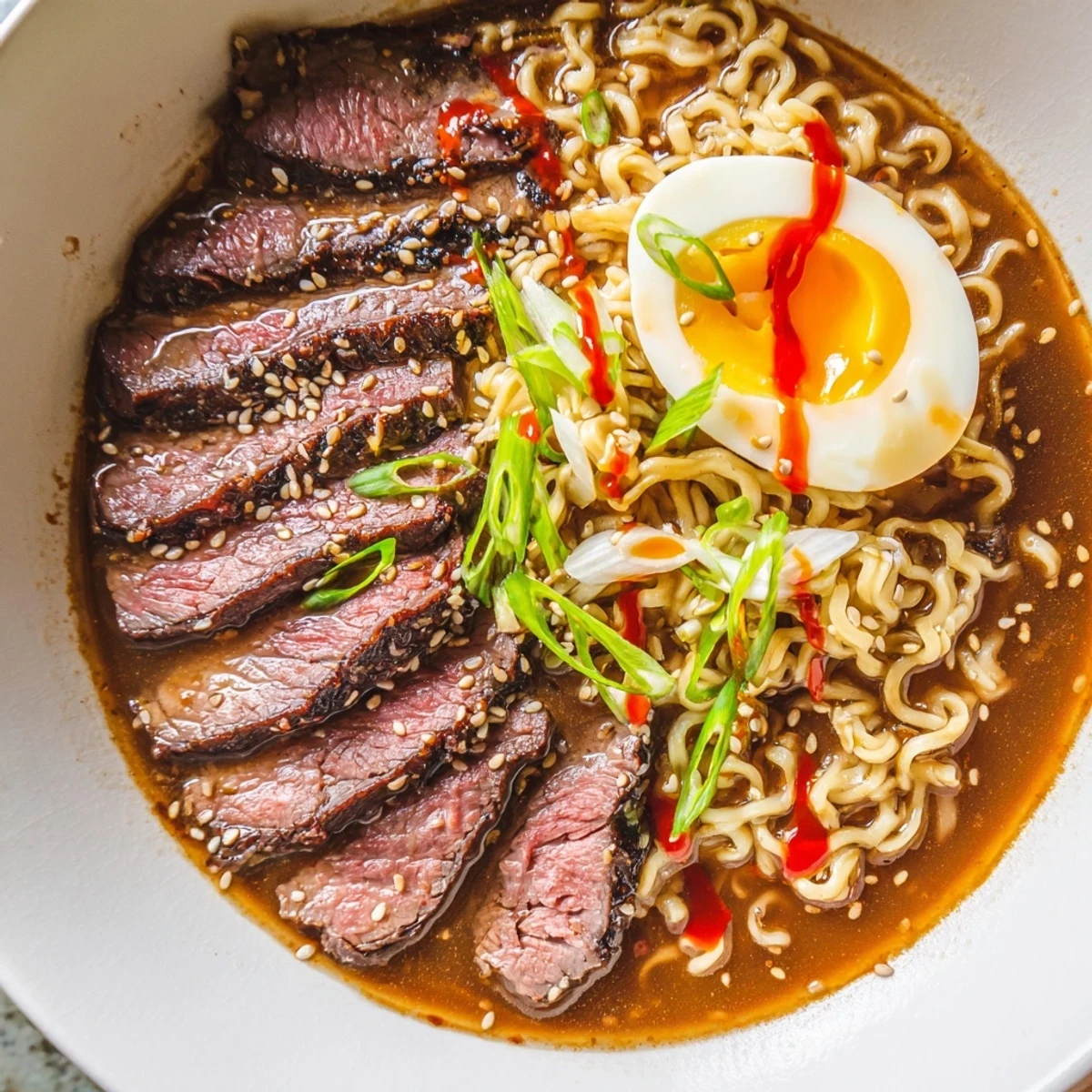
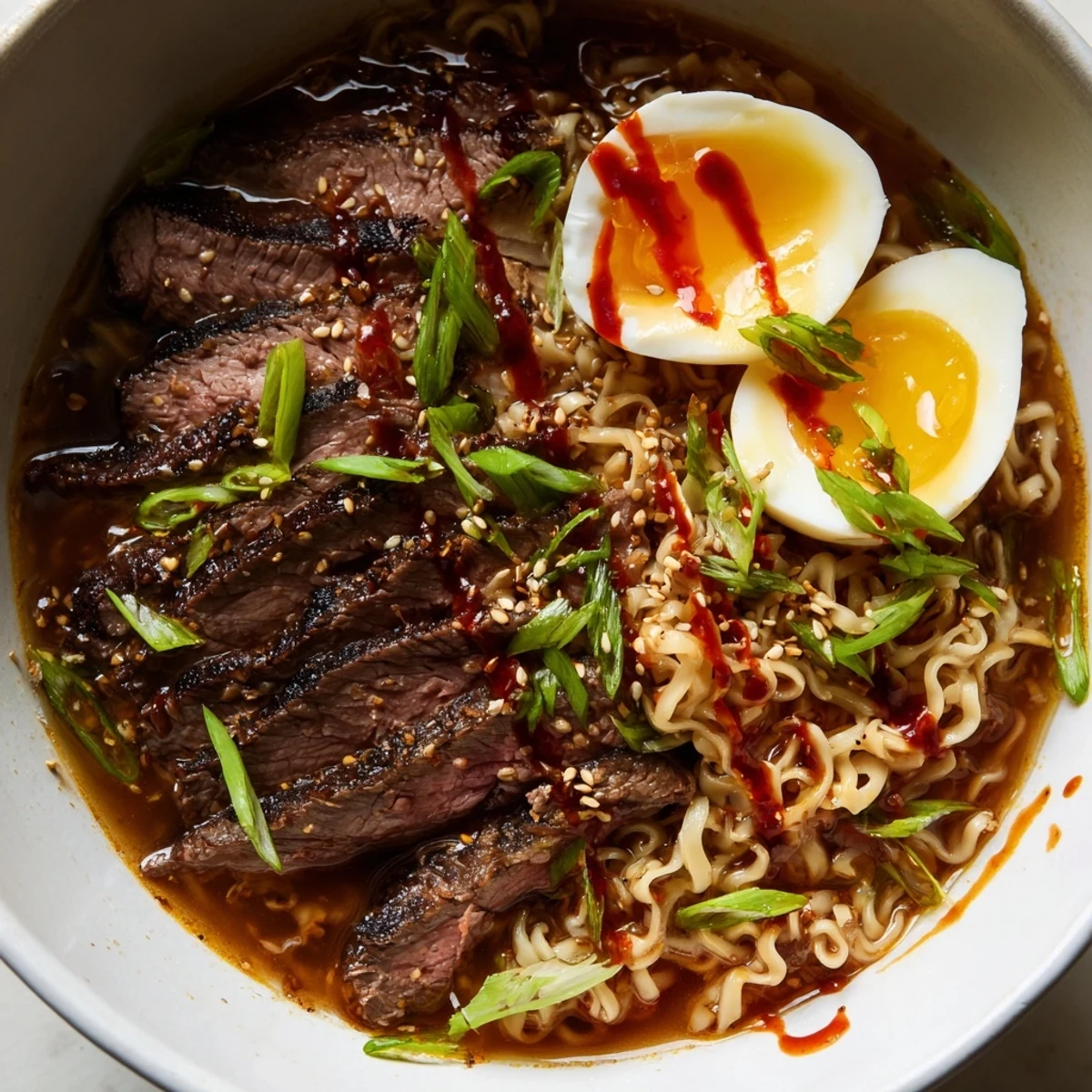
 Create a rich, aromatic bowl featuring tender beef slices in a spicy umami broth. Combine miso, chili garlic sauce, and stock for depth, then simmer with ginger and garlic. Serve over silky ramen noodles topped with soft-boiled eggs, fresh scallions, and sesame seeds for a bold, comforting meal.
One cold evening, my neighbor showed up with a steaming bowl of ramen, and I watched the steam curl up as she broke into that soft-boiled egg. The yolk ran like liquid gold into the spicy broth, and I tasted it right there on her kitchen counter—rich, complex, with this perfect balance of heat and umami that made me want to keep slurping. That was the moment I knew I had to learn how to make this myself, and after a few attempts, I figured out the secret: the broth needs time and the beef needs just enough heat to stay tender.
I made this for my sister after a brutal day at work, and I watched her shoulders relax as she took that first taste. The heat cleared her sinuses, the richness wrapped around her, and by the end of the bowl, she was smiling. That's when I realized this ramen wasn't just food—it was the kind of thing you make when you want to tell someone they matter.
Ingredients
- Sirloin or flank steak, thinly sliced (300 g): This cut cooks fast and stays tender if you don't overdo it; slice against the grain for the most tender bites.
- Soy sauce: The backbone of the broth and the beef marinade; use low-sodium if you can control the saltiness.
- Sesame oil: Adds a toasty, nutty finish that you can't fake with anything else.
- Fresh ginger and garlic: These two create that aromatic, warming base that makes the broth smell like a real ramen shop.
- Miso paste: Stir it in slowly so it dissolves evenly; this is where the umami depth comes from.
- Chili garlic sauce: Adjust this to your tolerance; start with a tablespoon and taste as you go.
- Mirin: A touch of sweetness that balances the spice and salt without being noticeable.
- Beef or chicken stock: The foundation; homemade tastes better, but quality store-bought works fine.
- Fresh ramen noodles: These have a better texture than dried, but dried works if that's what you have.
- Large eggs: Six minutes gets you that jammy yolk; one extra minute and you lose that magic.
- Scallions, sesame seeds, and nori: These are the final flourish that make it look and taste restaurant-quality.
Instructions
- Marinate the beef while you work:
- Slice your beef thin and toss it with soy sauce, sesame oil, and pepper in a bowl. Let it sit while you handle everything else; the salt in the soy starts breaking down the fibers, making it even more tender.
- Get those eggs into ice water fast:
- Boil them for exactly 6 minutes—set a timer and don't guess. As soon the timer goes off, pull them out and shock them in ice water. This stops the cooking and gives you that glossy, runny yolk.
- Build the broth layer by layer:
- Heat sesame oil, toast the ginger and garlic for a minute until your kitchen smells incredible, then whisk in the miso paste. This order matters; the heat awakens the ginger and garlic before you add anything else.
- Simmer gently and taste as you go:
- After adding the stock, let it bubble quietly for 10 minutes—not a rolling boil, just a gentle simmer. This lets the flavors marry without boiling away the delicate aromatics.
- Sear the beef hot and fast:
- Use high heat and don't touch it for the first minute; let it get a crust. Two to three minutes total, and you're done—it'll keep cooking gently in the bowl.
- Cook noodles separately and drain well:
- Don't let them sit in their cooking water or they'll get gummy. Drain and divide them into bowls right before serving.
- Assemble and serve immediately:
- Pour the hot broth over the noodles, top with beef and a halved egg, then scatter scallions, sesame seeds, and nori. Everything should still be steaming when it hits the table.
 Save to Pinterest
 I remember the first time I nailed this recipe, I sat down alone at my kitchen table and ate the whole bowl without thinking about anything else. The spice built slowly, the noodles were perfectly chewy, and that egg yolk made every bite feel special. In that moment, I understood why ramen shops have lines around the block.
The Heat Level Is Up to You
The chili garlic sauce is adjustable, and that's intentional—I've learned that what's perfect heat for one person is way too much or too little for someone else. Start with a tablespoon, taste the broth, and add more if you want more fire. Some people even add chili oil as a drizzle at the end, so each spoonful can be as mild or as wild as they want.
Why Fresh Noodles Make a Difference
Fresh ramen noodles have a delicate, slightly springy texture that dried noodles can't quite match, but I've made excellent ramen with dried noodles too when that's what I had on hand. The real secret is not overcooking them and draining them well so they don't absorb excess liquid and turn mushy. If you use fresh noodles, cook them right before you're ready to serve; if you use dried, follow the package instructions exactly.
Customizing Your Bowl
This recipe is a template, not a rule book—I've added mushrooms, tofu, leftover rotisserie chicken, and even bacon when I had them around. The broth is flexible enough to carry whatever proteins or vegetables you want to throw in, and the beauty of that is you can make it feel new every time. Some nights I make it vegetarian by swapping the beef stock for vegetable stock and doubling the ginger and garlic for depth.
- Try adding a splash of fish sauce if you want to deepen the umami without adding saltiness.
- Pickled ginger or pickled vegetables on the side brighten the richness and give you a palate cleanser between spoonfuls.
- If you have sriracha or your favorite hot sauce, keep it on the table for people to adjust their own heat level.
 Save to Pinterest
 There's something about a perfect bowl of ramen that feels like a hug and a conversation at the same time. Make this when someone needs comfort, or when you need to remind yourself that cooking something good is always worth the time.
Recipe FAQs
- → How do I achieve the perfect soft-boiled egg?
-
Boil the eggs for exactly 6 minutes, then immediately transfer them to an ice bath to stop the cooking process and ensure a runny yolk.
- → Can I adjust the spice level of the broth?
-
Absolutely. Modify the amount of chili garlic sauce added to the broth or adjust the garnish of chili oil to suit your heat preference.
- → What cut of beef is best for this dish?
-
Thinly sliced sirloin or flank steak is ideal as it cooks quickly and remains tender when seared briefly over high heat.
- → Can I make this gluten-free?
-
Yes, use gluten-free ramen noodles and substitute the soy sauce and miso paste with certified gluten-free alternatives.
- → How should I store leftovers?
-
Store the broth, beef, and noodles separately in airtight containers in the refrigerator to prevent the noodles from becoming soggy.