
 Save to Pinterest
 This dish features tender cubes of beef slowly simmered in a richly spiced, aromatic sauce, combining cumin, coriander, turmeric, and chili for depth and heat. Coconut milk adds creaminess while fresh chilies enhance the spice. Served over fluffy basmati rice, this hearty meal offers comforting textures and bold, vibrant flavors. Perfect for those craving a fragrant and warming main course with a balance of spice and richness.
There's a particular Tuesday evening I keep coming back to, when my neighbor stopped by with a bottle of wine and stayed through dinner without warning. I'd just bought beef chuck on sale and had coconut milk in the pantry, so I threw together this curry on instinct, layering spices like I was telling a story in a language I half-remembered. By the time the kitchen filled with that warm, complex aroma—toasted cumin mingling with ginger and something indefinably rich—she'd already poured us seconds of wine and settled in like she had nowhere else to be. That's when I realized this curry wasn't just dinner; it was an invitation.
I made this for my partner on a snowy January night when we'd both had the kind of day that needed comfort without fuss. The smell of it simmering reached the bedroom upstairs and somehow made everything feel manageable again. We ate it straight from the pot with rice, sharing the same spoon between spoonfuls, and didn't talk much—just the sound of wind outside and the occasional clink of the spoon against ceramic. That's when I knew this recipe had become part of our quiet language together.
Ingredients
- Vegetable oil: Use a neutral oil with a high smoke point; coconut oil adds flavor if you prefer it.
- Beef chuck (2 lbs / 900 g), cut into 1-inch cubes: This cut has just enough marbling to become silky when braised—don't skip the browning step, as it builds the foundation of everything that follows.
- Large onion: Finely chop it so it melts into the sauce and carries the spices through every bite.
- Garlic (4 cloves) and ginger (1-inch piece): Fresh is essential; ginger especially loses its brightness when dried, so grate it right before using.
- Tomato paste and diced tomatoes: The tomato paste concentrates flavor when cooked briefly with oil, then the canned tomatoes add body and acidity to balance the spices.
- Beef broth (1 cup / 240 ml): Choose low-sodium if you can; you'll control the salt better as the sauce reduces.
- Ground cumin, coriander, turmeric, chili powder, garam masala, cinnamon: Toast them gently in the hot oil and spice to awaken their oils—this transforms them from background notes into the soul of the curry.
- Salt and black pepper: Taste as you go; salt blooms differently once coconut milk is added.
- Coconut milk (1 cup / 240 ml): Full-fat is best; it rounds out the heat and adds richness that cream can't replicate.
- Fresh green chilies (1–2, optional): These offer brightness and living heat that dried chili powder can't provide alone.
- Fresh cilantro (2 tbsp): Scatter it on at the very end; the heat wilts it just enough while keeping its peppery snap.
- Basmati rice (1 ½ cups / 300 g): Rinsing it removes surface starch so each grain stays separate and fluffy.
- Butter or ghee for rice: Ghee adds a subtle nuttiness that lifts the whole dish.
Instructions
- Brown the beef first:
- Heat oil in a heavy pot over medium-high heat until it shimmers slightly. Work in batches so the beef browns rather than steams—crowding the pan traps moisture and defeats the purpose. You'll know it's ready when a dark crust forms on each piece.
- Build the base with aromatics:
- Lower heat to medium, add chopped onions to the same pot, and let them soften and turn golden for about 8 minutes. This takes patience, but golden onions taste sweeter and more developed than pale ones. Stir in minced garlic and grated ginger, and you'll smell the moment they're awakened—usually just 30 seconds in.
- Caramelize the tomato paste:
- Add tomato paste and let it sit in the hot oil for a full minute, stirring occasionally. This step concentrates and deepens its flavor dramatically. Then add the canned tomatoes and their juices, stirring until everything combines into a rough sauce.
- Toast the spices:
- Sprinkle in cumin, coriander, turmeric, chili powder, garam masala, cinnamon, salt, and pepper. The heat will release their oils and deepen their flavors—you want to coat the tomato base so every spice mingles with the vegetables. This takes about 1 minute.
- Simmer the beef low and slow:
- Return the browned beef to the pot along with beef broth. Bring to a simmer, then lower heat to maintain a gentle bubble. Cover and cook for about 1 hour, stirring now and then to prevent sticking and ensure even cooking. The beef should be starting to soften and the sauce should be darkening slightly.
- Finish with coconut milk and heat:
- Add coconut milk and sliced fresh chilies if using. Simmer uncovered for 20 to 30 minutes more, allowing the sauce to thicken slightly and the beef to become truly tender. Taste as you go and adjust salt or heat to your preference.
- Prepare basmati rice alongside:
- Rinse the rice under cold running water, stirring gently with your fingers until the water runs almost clear—this removes starch that would make it gluey. Combine rice, measured water, butter or ghee, and salt in a saucepan. Bring to a boil uncovered, then reduce heat to low, cover tightly, and cook for exactly 15 minutes without peeking. Remove from heat and let it rest, still covered, for 5 minutes before fluffing with a fork.
- Bring it all together:
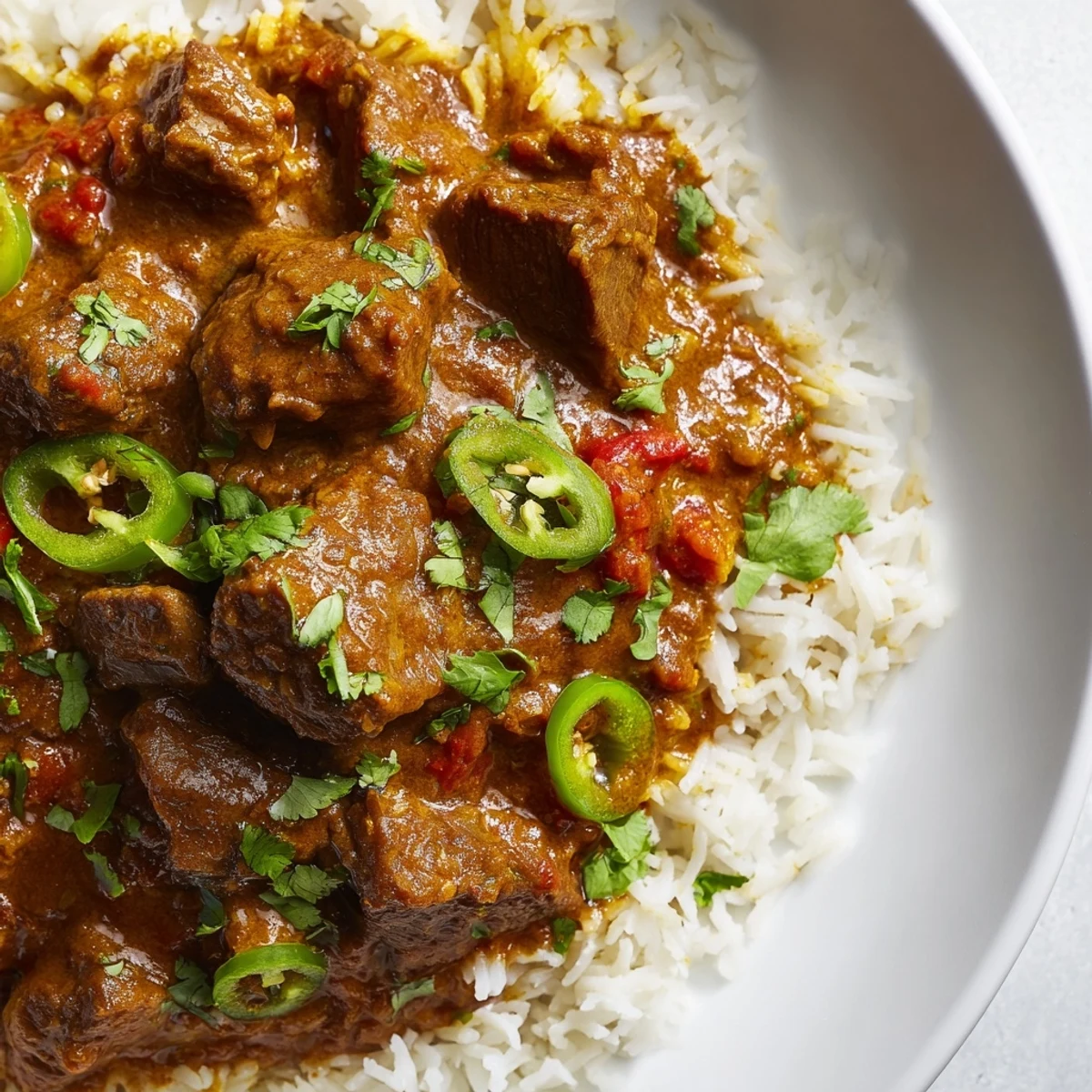
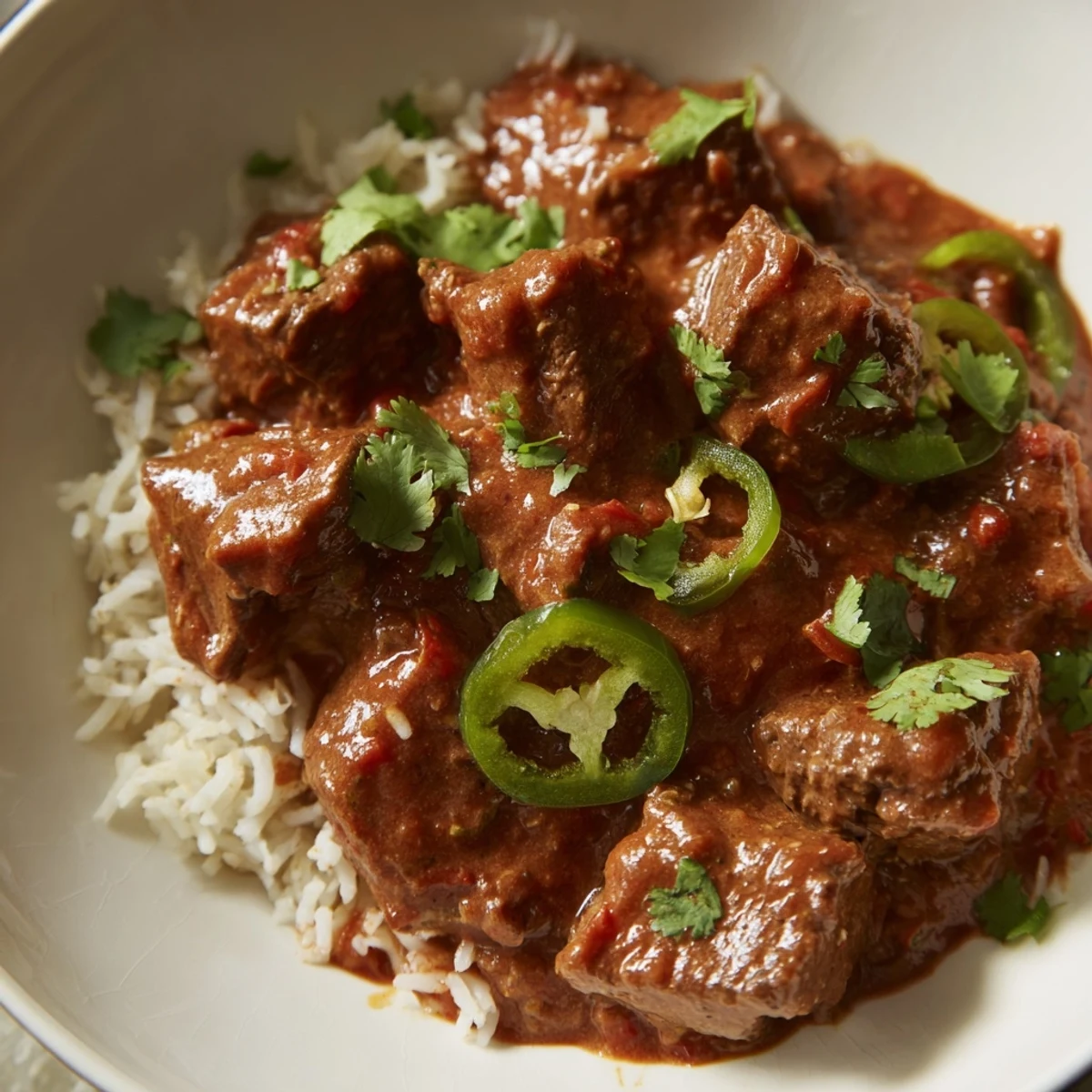
- Spoon the spiced beef curry over a mound of fluffy basmati rice, then scatter chopped cilantro across the top. The green catches the light and adds a fresh note that plays beautifully against the warm spices.
 Save to Pinterest
 My mother tasted this once and said it reminded her of a restaurant in a place she visited decades ago, though she couldn't remember which one or when. We never figured out if my curry actually resembled that memory or if she was being kind, but watching her face soften over a spoonful told me something about what food can do—it doesn't have to be historically accurate to feel true. It just has to taste like someone cared while making it.
Why This Curry Works
The secret is building layers instead of dumping everything in at once. Each spice gets a moment—first toasted in fat, then simmered with tomatoes, then mellowed by coconut milk. The beef, meanwhile, surrenders gradually to the long, gentle heat, becoming so tender it barely needs your teeth. By the end, all these pieces feel less like separate ingredients and more like a single, unified story.
Adapting This for Your Table
Lamb works beautifully here and cooks in roughly the same time, taking on the spices with a subtle gaminess that feels luxurious. Chicken (thighs, not breasts) can substitute too, though it needs only 30 to 40 minutes total simmering. If heat isn't your preference, reduce chili powder to just ½ teaspoon and skip the fresh chilies—the turmeric and garam masala alone carry enough warmth to feel complete. Some evenings I add a small splash of cream or yogurt at the very end, stirring it in off heat so it doesn't break; it rounds out the edges and makes the curry taste richer than it actually is.
What Happens Next
This curry tastes better the next day, after all the flavors have had time to know each other. Reheat it gently on the stovetop, adding a splash of water if needed to loosen the sauce. Serve it with warm naan if you have time to make or buy it, or with a cool cucumber raita to cut through the richness—yogurt, grated cucumber, a pinch of salt, and fresh mint makes a bright, easy counterpoint. Leftover curry freezes beautifully for up to three months, ready for nights when you need something warm and uncomplicated.
- Make a double batch and freeze half for future ease.
- Taste before serving the next day—you may need to add salt again as flavors settle differently when cold.
- A dollop of plain yogurt and a scatter of fresh cilantro transform leftovers into something that feels newly considered.
 Save to Pinterest
 This curry asks you to slow down, to trust that simmering actually works, and to believe that care tastes like something. Once you make it, it becomes yours—adjusted for your preferred heat, your pantry, the people who'll sit at your table.
Recipe FAQs
- → How do I achieve tender beef in this dish?
-
Cook the beef slowly over low heat for at least an hour to break down connective tissues, resulting in tender, flavorful meat.
- → Can I adjust the spiciness level?
-
Yes, vary the amount of chili powder and fresh chilies to suit your desired heat intensity.
- → What rice type pairs best with the spicy beef?
-
Basmati rice is ideal due to its fragrant aroma and fluffy texture, which complements the rich sauce well.
- → Is it necessary to use coconut milk?
-
Coconut milk adds creaminess and balances the spices, but it can be omitted or replaced with cream for a different texture.
- → Can this dish be made gluten-free?
-
Yes, using gluten-free broth and checking all spice labels ensures the dish remains gluten-free.