
 Save to Pinterest
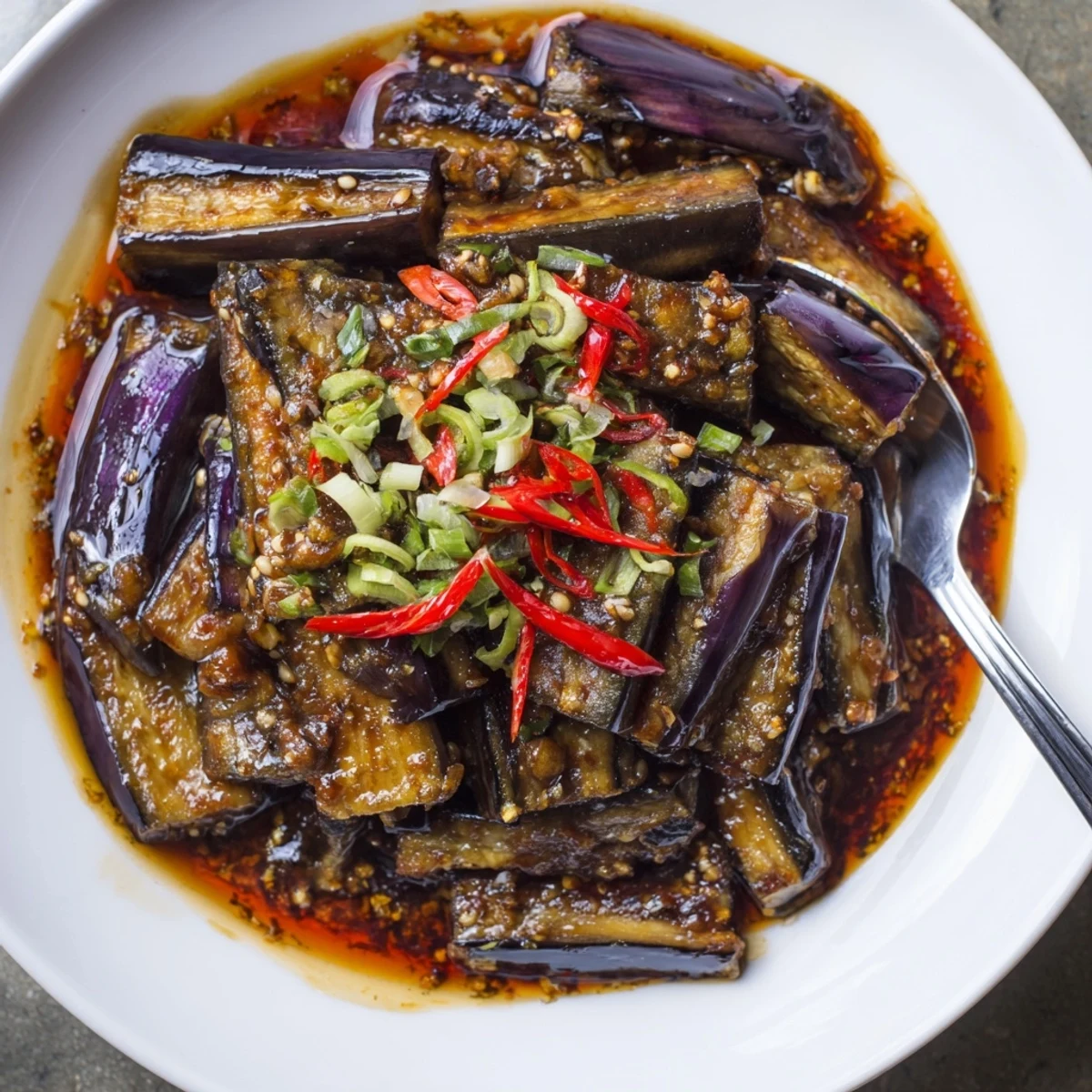
 This Sichuan-style braised aubergine uses sliced eggplant briefly salted, pan-fried until tender, then simmered in a savory, spicy doubanjiang-based sauce with garlic, ginger and soy. A cornstarch slurry thickens the glaze, while sesame oil and spring onions finish it. Serve over steamed rice or noodles; add Sichuan peppercorns for numbing heat or toasted peanuts for crunch.
The aroma of sizzling ginger and garlic always transports me to the tiny apartment where I first attempted Sichuan Style Braised Aubergines. Just as the chill of autumn hinted at the window, the kitchen would fill with the sharp, earthy perfume of doubanjiang searing on hot oil—both thrilling and slightly intimidating for someone used to milder flavors. That first bite, tongue-tingling and deeply savory, convinced me bold food could feel both fiery and comforting. Preparing this dish quickly became a kind of therapy, with each stir in the wok easing away the week's worries.
One evening, I made this for friends who had never tried authentic Sichuan food before. As the sizzling, spicy aroma wafted through the room, we found ourselves standing around the stove giggling, sneaking tastes straight from the pan—burned tongues, zero regrets. It turned a normal Tuesday into an impromptu flavor adventure, and from then on, requests for "that epic aubergine" became a standing joke in our group chat.
Ingredients
- Aubergines (eggplants): The stars of the dish, these soak up the sauce and become impressively silky if salted and drained first; don't skip this step for perfect texture.
- Spring onions: These offer a gentle bite and a pop of color—slice them thin for an elegant finish.
- Garlic: Minced fresh, it lends a grounded depth; keep it from browning too much so it stays fragrant rather than bitter.
- Ginger: That sharp, fresh heat lingers in the finished dish; always use a sharp knife for mincing to avoid squashing out its juices.
- Red chili (optional): Adds a clean heat—leave the seeds in for more fire, or skip for a milder profile.
- Doubanjiang (Sichuan fermented broad bean chili paste): This is the flavor anchor; try to use authentic brands for maximum impact, but taste as you go—it packs a punch.
- Soy sauce and dark soy sauce: Balance saltiness and depth; dark soy brings gorgeous color and a touch of sweetness.
- Rice vinegar: Brings brightness, so the dish feels vivid rather than heavy; don't overdo it or the tang will overpower.
- Sugar: A whisper of sweetness balances the spice, helping all the flavors linger.
- Vegetable stock or water: Keeps the sauce luscious—stock deepens flavor, but water works in a pinch.
- Vegetable oil: Frying the aubergines gives a silky skin that drinks up the flavors.
- Sesame oil: A drizzle at the end provides irresistible aroma—too much can dominate, so go gently.
- Salt: Only a little is needed; remember the soy and doubanjiang both bring plenty of saltiness.
- Cornstarch: Your secret weapon for glossy, thickened sauce every time—mix thoroughly with water before adding.
Instructions
- Prep the aubergines:
- Sprinkle your fresh aubergine batons with a fine layer of salt, then let them rest for 10 minutes—watch tiny beads of moisture appear, evidence of their bitterness retreating. Rinse well and gently pat dry until they squeak under your towel.
- Get a golden crisp:
- Heat up 3 spoons of oil in your wok until it shimmers, then lay in the aubergine pieces in batches—listen for that hearty sizzle and wait for the sides to turn the color of toasted caramel, about 6 to 8 minutes. Transfer the finished pieces to a paper towel while you finish the rest.
- Wake up the aromatics:
- With a little oil left in your pan, drop in the chopped ginger, garlic, and sliced chili if you're daring. Stir and inhale: when the kitchen smells so good you can't stand it, you're ready for the next step.
- Build the flavor base:
- Add your doubanjiang, stirring constantly and watching the oil turn bright red while the paste sizzles fiercely; let it go for a minute until you wish you bottled the aroma. Careful not to let it burn!
- Simmer and soak:
- Return the crispy aubergine to the pan, then gently pour over the soy sauces, rice vinegar, sugar, and stock—stir carefully to avoid breaking the soft batons. Cover, reduce the heat, and let everything simmer together gently for 8–10 minutes while flavors soak in and the aubergines become supple.
- Finish and thicken:
- Mix your cornstarch with water until smooth, pour it into the bubbling pan, and stir for 30 seconds as the glossy sauce hugs every morsel. The transformation feels almost magical!
- Serve with flourishes:
- Drizzle over a ribbon of sesame oil, then scatter fresh spring onions on top; serve hot, spooned over bowls of steaming rice for maximum joy.
 Save to Pinterest
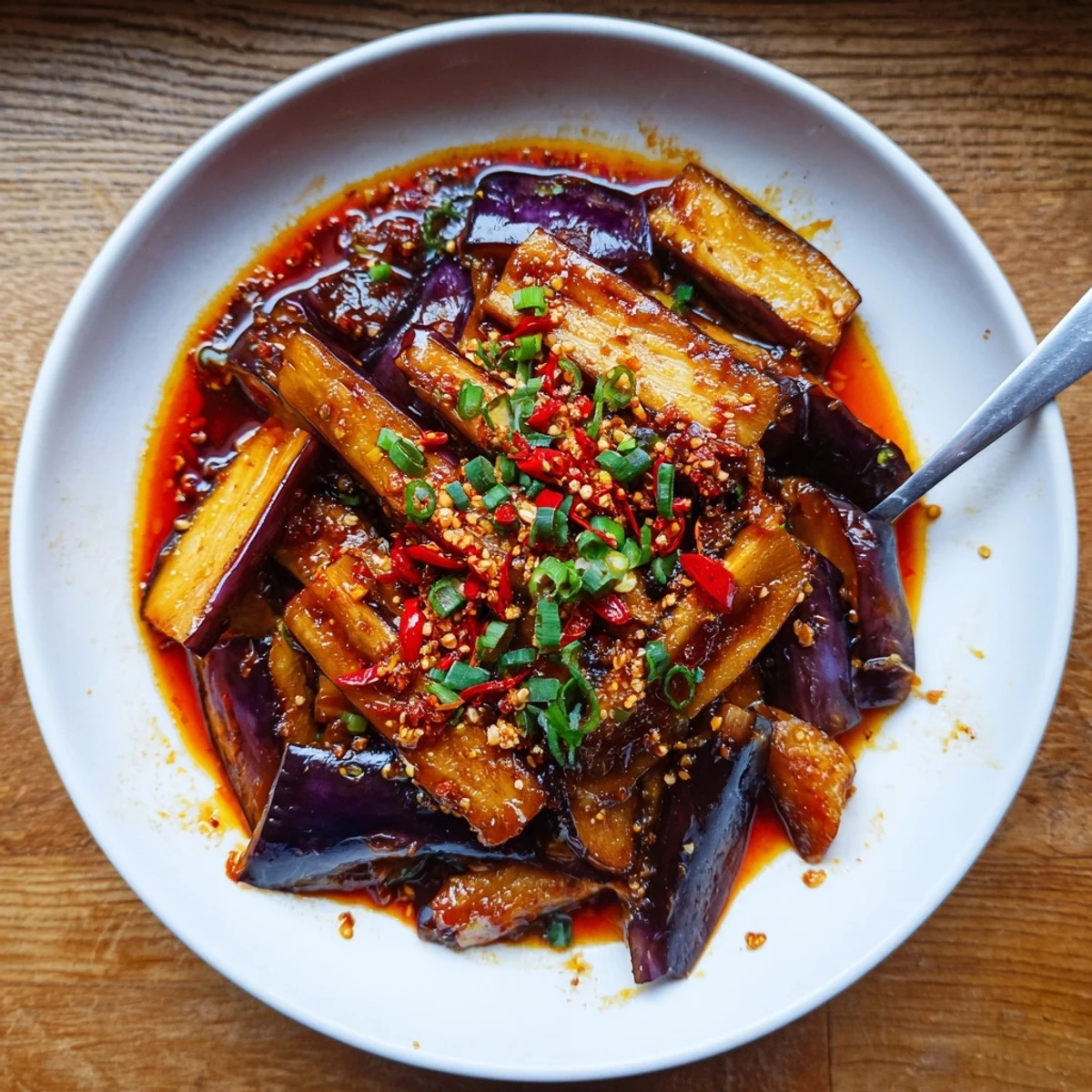
 This dish once prompted a kitchen dance: our group, faces shining from steam and spice, raced to mop up every last ribbon of sauce. It reminded me that the best recipes linger well after dinner—through laughter, a perfect mess, and plates wiped sparkling clean.
How to Adjust the Heat
If you're a fire lover, a sprinkle of crushed Sichuan peppercorns added with the ginger works wonders for buzzing heat on the lips. For a milder palate, just use half the doubanjiang and skip the fresh chili. Trust your own threshold and adjust as you go—it's all part of the fun.
Serving Suggestions
Pairing this dish with fluffy steamed rice is obvious, but don't overlook tender noodles or a heap of sautéed greens alongside. I love to drizzle any leftover sauce onto roasted potatoes or spoon it over silken tofu. A crunchy salad makes a cool, fresh counterpoint and soothes the palate between spicy bites.
Troubleshooting Your Sauce
If your sauce ever seems too thick, a splash of warm water will bring it back together—just don't drown those flavors. Taste before adding any extra salt, since doubanjiang and soy sauce can sneak in more than you expect. If the sauce feels flat, an extra drop of vinegar usually perks it right up.
- Never walk away during the doubanjiang step—it can burn in seconds.
- If your aubergines look pale, crank the heat for a bolder finish.
- Don't forget to garnish; those bright spring onions make every bowl prettier and fresher.
 Save to Pinterest
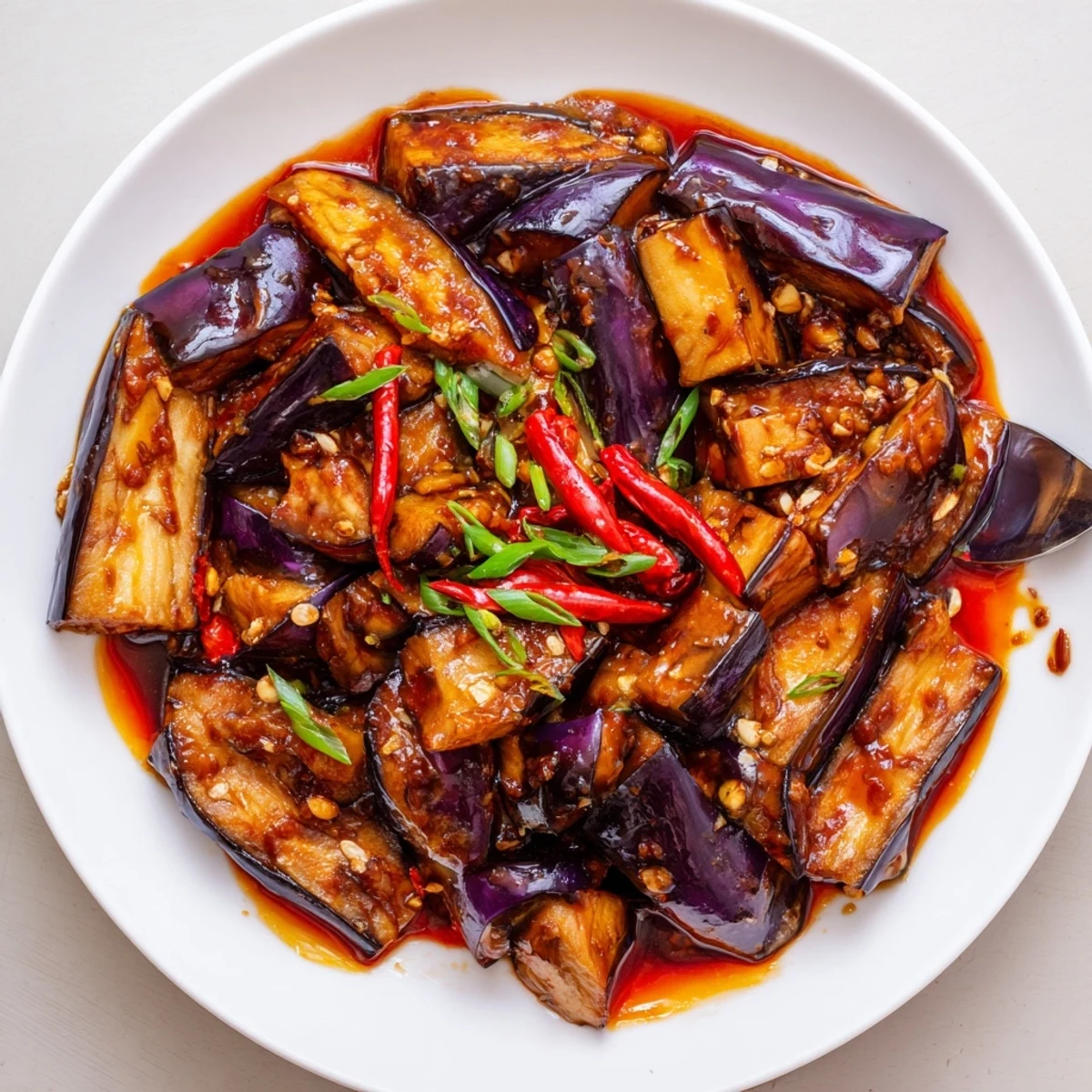
 Give this recipe a try next time you want big flavors without fuss. You might just find yourself scraping the wok for those last glistening bits—I always do!