
 Save to Pinterest
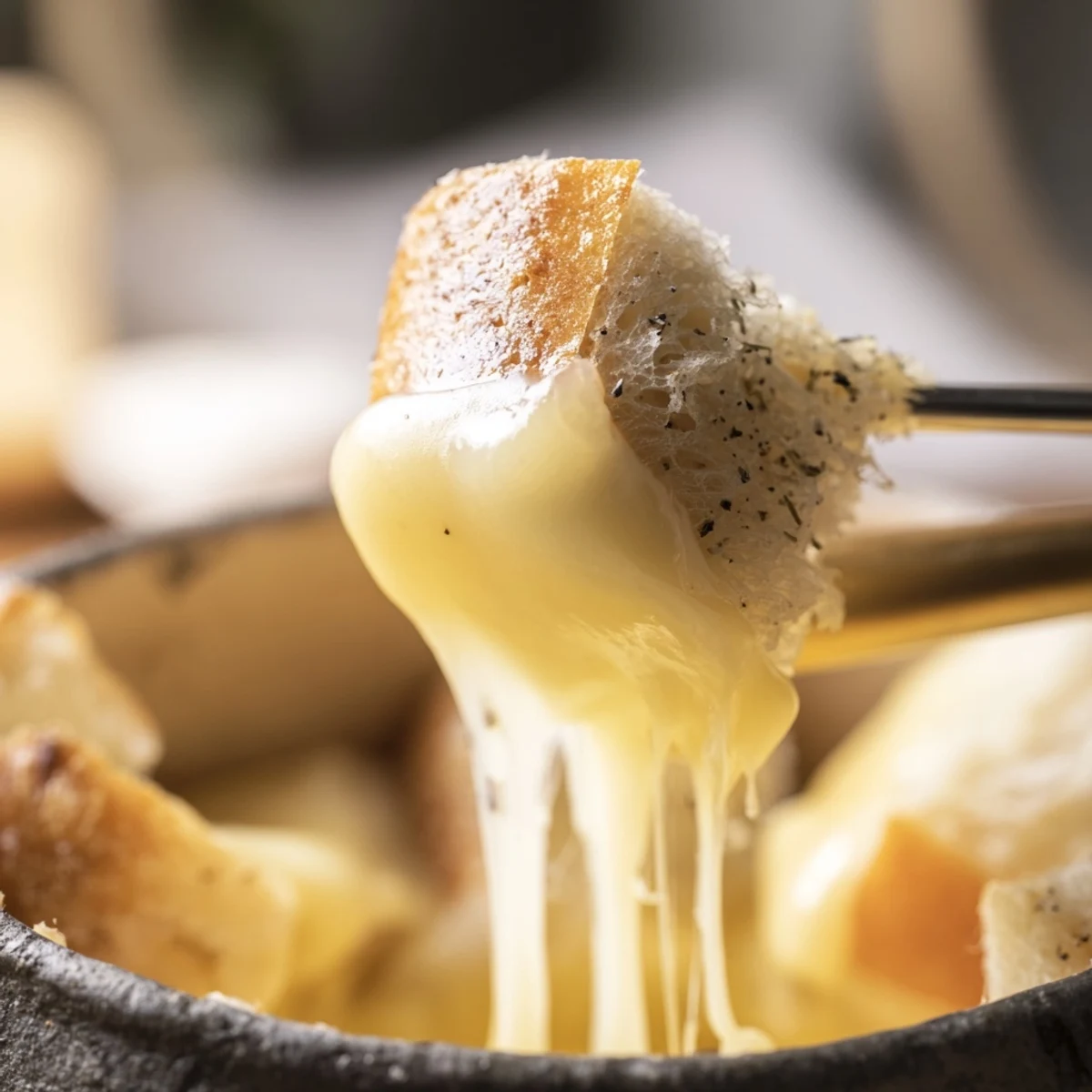
 This Swiss-inspired fondue features a rich blend of Gruyère and Emmental cheeses melted smoothly with dry white wine and subtle seasonings like garlic, nutmeg, and pepper. Slowly cooked to a velvety consistency, it’s served warm with crusty bread cubes and optional fresh vegetables for dipping. Enhanced with optional kirsch or mustard, this dish is perfect for gatherings and cozy meals where communal enjoyment shines. The melted cheese and wine base create a creamy, flavorful dip that complements a variety of accompaniments.
There's something magical about the moment cheese hits hot wine and transforms into something silky and alive. I learned this the hard way one winter evening when a friend challenged me to host fondue night without a recipe, armed only with vague memories of watching my grandmother work her Swiss magic in that iconic black pot. She'd always said the secret was patience and the right wines, never rushing the cheese in, letting each handful melt completely before reaching for more. That night, my kitchen filled with the most incredible aroma, and I realized fondue isn't just a dish—it's an invitation to slow down and share something warm.
I'll never forget the first time I made this for my small dinner group during a particularly freezing February. One guest arrived skeptical about fondue, convinced it was pretentious, but the moment she dipped her first bread cube into that creamy, wine-scented golden pool, her entire face changed. We ended up eating at the table for three hours, stories getting longer and laughter getting louder, the fondue pot gently flickering between us like a small campfire. That's when I understood—this dish has a way of making ordinary Tuesday nights feel like gatherings that matter.
Ingredients
- Gruyère cheese, grated (200 g): This is your foundation—nutty, complex, and it melts with a smoothness that feels almost buttery once the wine embraces it.
- Emmental cheese, grated (200 g): The gentler partner to Gruyère's boldness, Emmental adds sweetness and keeps the mixture from becoming too dense or one-note.
- Dry white wine (300 ml): The wine isn't just liquid; it's the glue that holds everything together and whispers flavor through every bite—choose something you'd actually drink.
- Garlic clove, halved (1): Just a whisper of garlic that seasons the pot without overwhelming; I like to leave mine in for a gentle ongoing flavor.
- Cornstarch (1 tbsp): This tiny amount prevents the cheese from becoming grainy or separating, a lesson I learned after one very disappointing disaster.
- Kirsch or cherry brandy (2 tbsp, optional): If you have it, kirsch adds a subtle fruity note that makes people pause and wonder what you did differently—if not, a splash of wine works beautifully.
- Freshly ground black pepper and nutmeg: These final touches turn a good fondue into one that tastes like someone who knows their way around a kitchen made it.
- Crusty baguette or country loaf, cubed (1 large loaf): Cut them to roughly 2 cm—big enough to hold together on a fork, small enough to dip without hesitation.
- Raw vegetables, assorted (optional): Blanched broccoli, cherry tomatoes, or sliced mushrooms offer a fresher contrast to the richness if you're in the mood for balance.
Instructions
- Prepare your pot with garlic whispers:
- Rub the inside of your fondue pot with the cut garlic clove, letting that raw edge mark the entire surface—you're creating flavor memory before the liquid even touches it. I leave my halves in the pot; if you prefer subtlety, fish them out after a minute or two.
- Warm the wine gently:
- Pour the wine into the pot and set it over medium-low heat, listening for that first whisper of a simmer, not a rolling boil. The wine needs to be warm enough to welcome the cheese, but not so aggressive it cooks off the nuance you're trying to build.
- Make your cornstarch slurry:
- In a small bowl, whisk cornstarch with the kirsch (or a splash of wine) until completely smooth with no lumps—this is non-negotiable, as lumps become frustration later. The slurry is your insurance policy against graininess.
- Add cheese in stages with constant motion:
- Sprinkle the grated cheese in gradually, stirring constantly in a figure-eight motion that keeps everything moving and prevents any from settling and clumping. The figure-eight isn't fancy—it's practical, ensuring every curve of the pot gets stirred.
- Thicken and smooth:
- Once the cheese melts into a glossy puddle, stir in your cornstarch mixture and keep cooking and stirring for another minute or so until the texture shifts to velvety—you'll feel it thicken slightly under your spoon. This is when you know it's ready to drink in the bread.
- Season with precision:
- Crack fresh black pepper over the surface and grate nutmeg by hand if you have it—store-bought nutmeg powder loses its warmth, and these final seasonings are what transform good fondue into the kind people remember. Taste and adjust; this is your moment to own the flavor.
- Move to the table and serve:
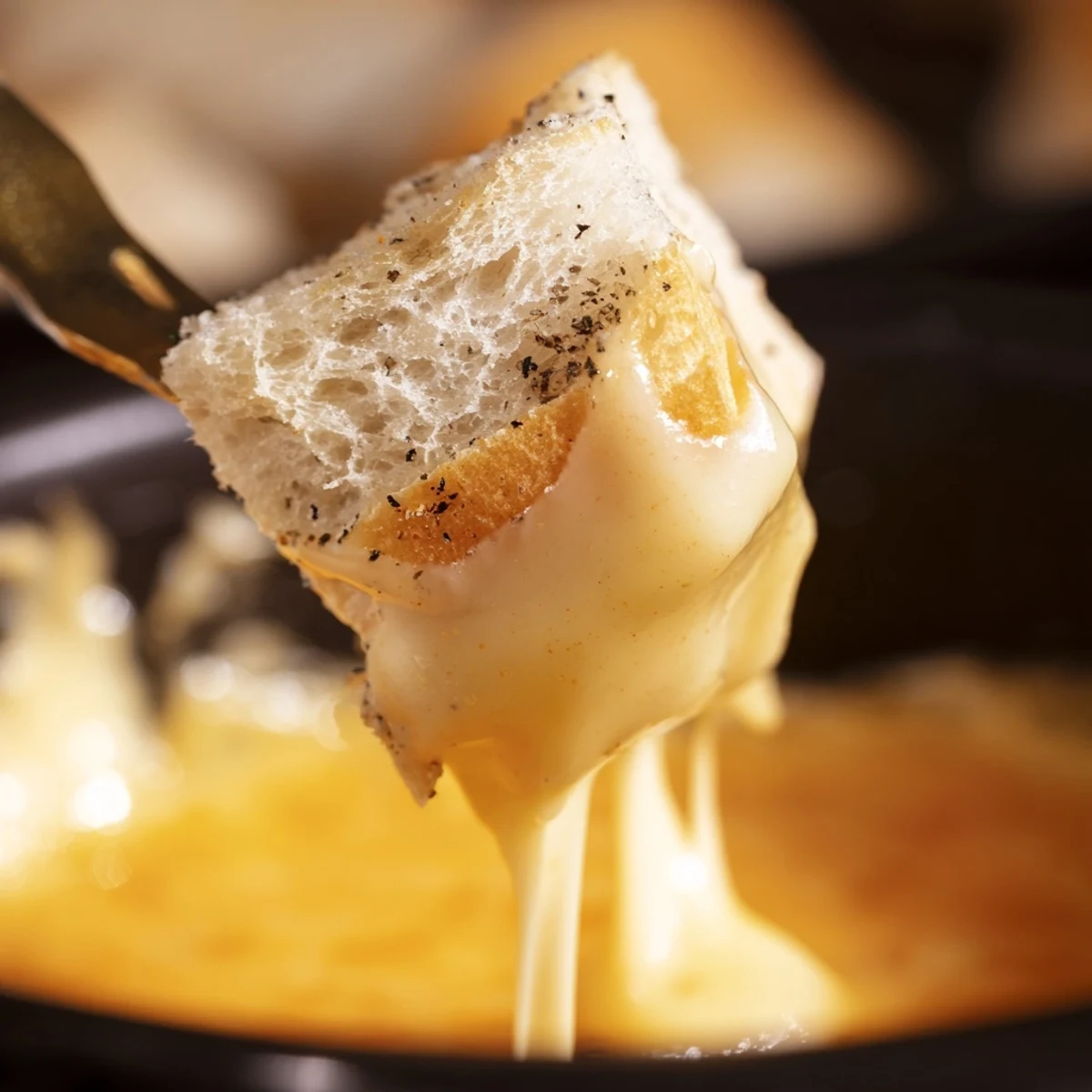
- Transfer the pot to its warming stand and position it where everyone can reach with their forks—fondue is theater as much as it is food. Gather your bread cubes and vegetables nearby, dim the lights slightly if you're feeling it, and let the ceremony begin.
 Save to Pinterest
 One of my favorite discoveries was realizing that fondue doesn't end when the bread runs out—it's the lingering warmth of the gathering, the way my friend Sarah still talks about that February night, and how making it again somehow tastes like we're right back there in the kitchen together, laughing at the same jokes. Food has this quiet power to anchor moments in time, and cheese fondue might be one of the most honest vessels for it.
The Wine Pairing Question
The wine you pour into the pot matters, but so does the wine you pour into your glass while you're cooking. A crisp Sauvignon Blanc or dry Riesling echoes what's happening in the fondue while keeping your palate fresh between bites, and honestly, the ritual of sipping and stirring is half the pleasure. I learned this from a Swiss friend who insisted that fondue without wine conversation is just melted cheese, and she was right.
Building Your Bread Cube Strategy
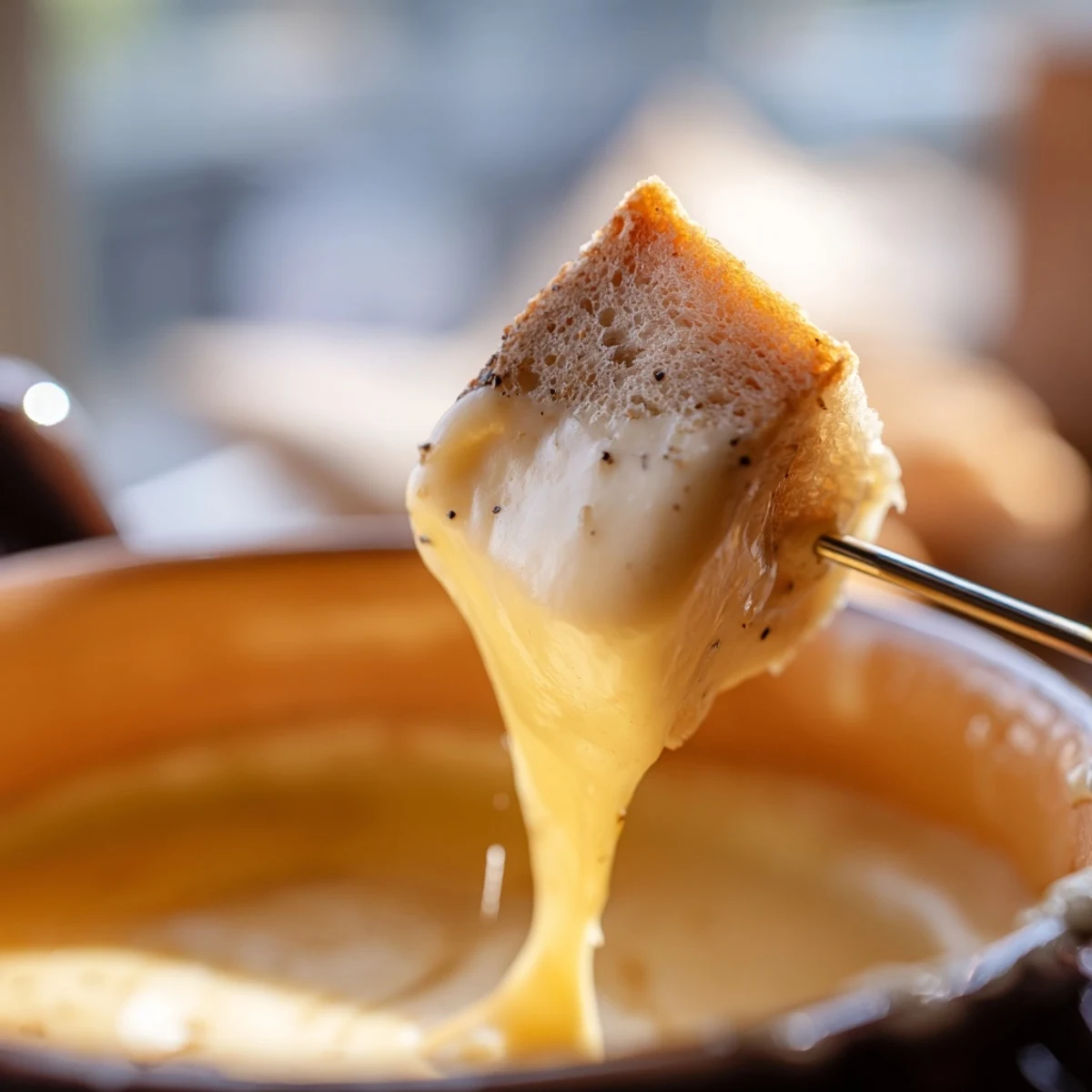
The bread you choose shapes the entire experience—a day-old baguette with a substantial crust holds up to repeated dunking and carries the cheese beautifully, while soft white bread disappears too quickly and doesn't offer resistance. Some people cube their bread hours ahead, and others tear it fresh from a warm loaf right at the table; both work, but the warm bread adds an unexpected comfort that feels like an act of care.
Variations and Small Rebellions
The classic recipe is glorious as written, but I've discovered a few quiet tweaks that feel less like betrayal and more like personal expression. A touch of Dijon mustard adds unexpected depth, paprika brings warmth, and substituting half the cheese with Appenzeller or Comté creates a flavor landscape you've never quite tasted before—each change whispers something new without shouting. The beauty of fondue is that it's forgiving enough to welcome your experiments while strong enough to hold its own magic.
- Try adding a tiny pinch of Dijon mustard for a subtle savory edge that makes people ask what's different.
- Experiment with cheese blends beyond the classics—Comté adds nuttiness, Appenzeller brings earthiness, and half-measures still create remarkable results.
- Remember that every bottle of wine and every wheel of cheese carries its own personality, so slight adjustments for taste are your right and responsibility as the cook.
 Save to Pinterest
 Fondue is one of those rare dishes where the simplicity of the recipe belies the depth of the experience it creates. Make this when you want an evening that feels intentional, when you want your kitchen to smell like wine and melted cheese, when you want to slow down enough to notice who's sitting across from you.
Recipe FAQs
- → What cheeses are best for this dish?
-
Gruyère and Emmental provide a classic smooth melting texture and a balanced nutty flavor that is essential for the dish's creamy consistency.
- → Can I substitute the white wine?
-
Dry white wines like Sauvignon Blanc or Riesling work best, but you can use a splash of non-alcoholic white grape juice or broth for a milder flavor.
- → How do I prevent the cheese from clumping?
-
Gradually adding cheese while stirring constantly in a figure-eight motion helps maintain a smooth, velvety texture without clumps.
- → What can I serve alongside the melted cheese?
-
Crusty bread cubes, blanched vegetables like broccoli, and cherry tomatoes make excellent dippers, adding texture and freshness.
- → Is kirsch necessary for the flavor?
-
Kirsch cherry brandy adds a traditional fruity hint but is optional; you can replace it with a bit of wine or omit it entirely.
- → How to keep the fondue warm during serving?
-
Using a fondue pot over a low flame keeps the cheese mixture warm and fluid, ideal for sharing and continuous dipping.