
 Save to Pinterest
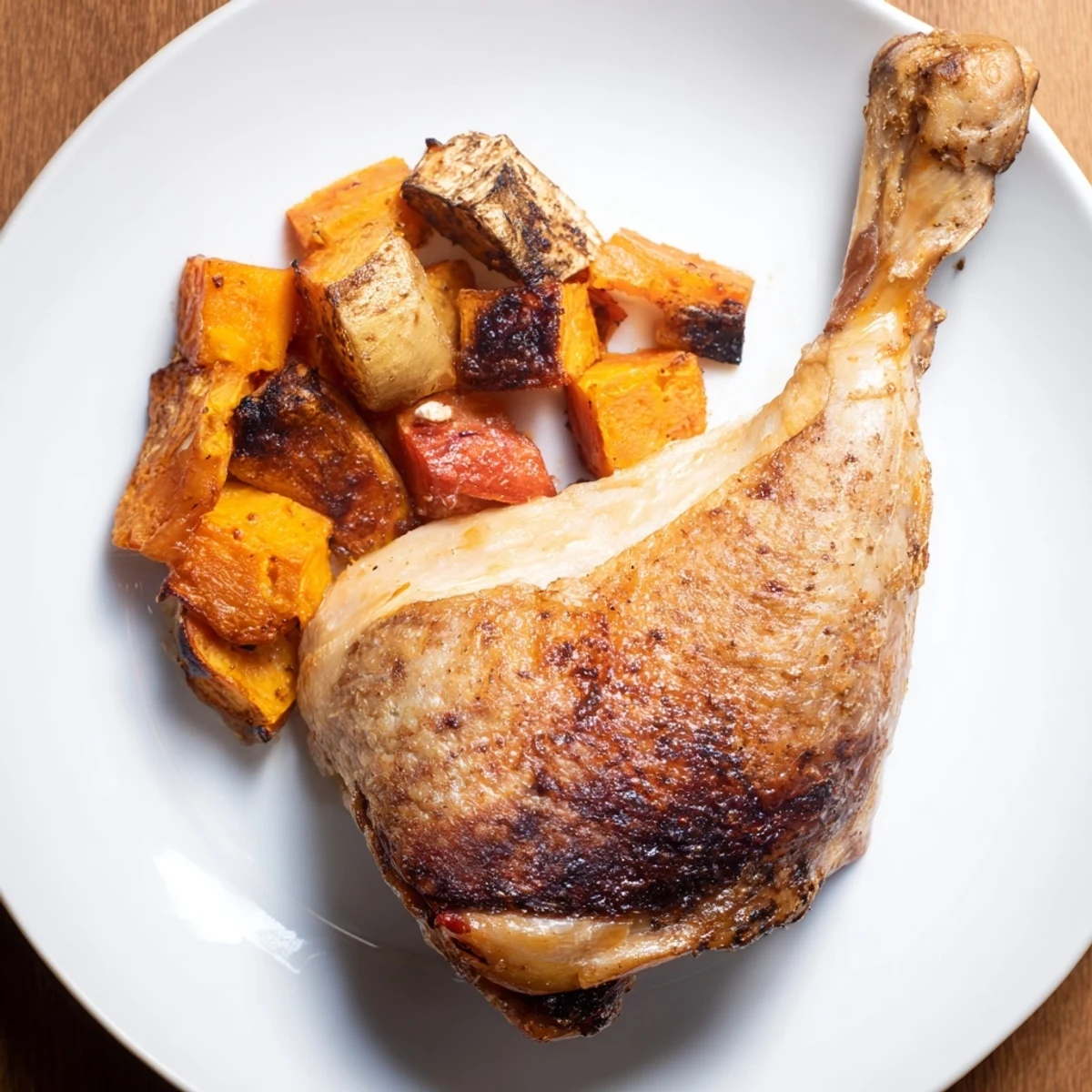
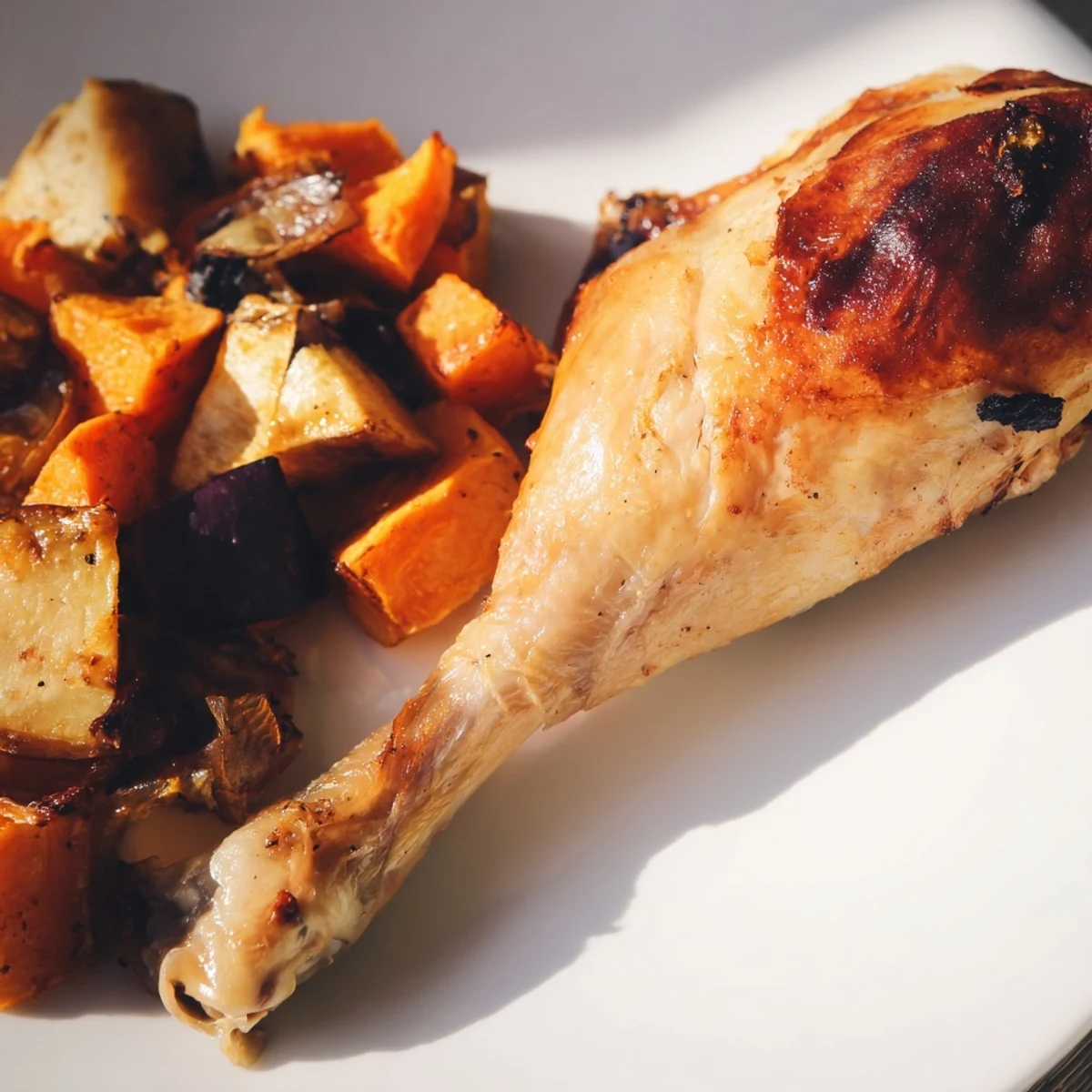
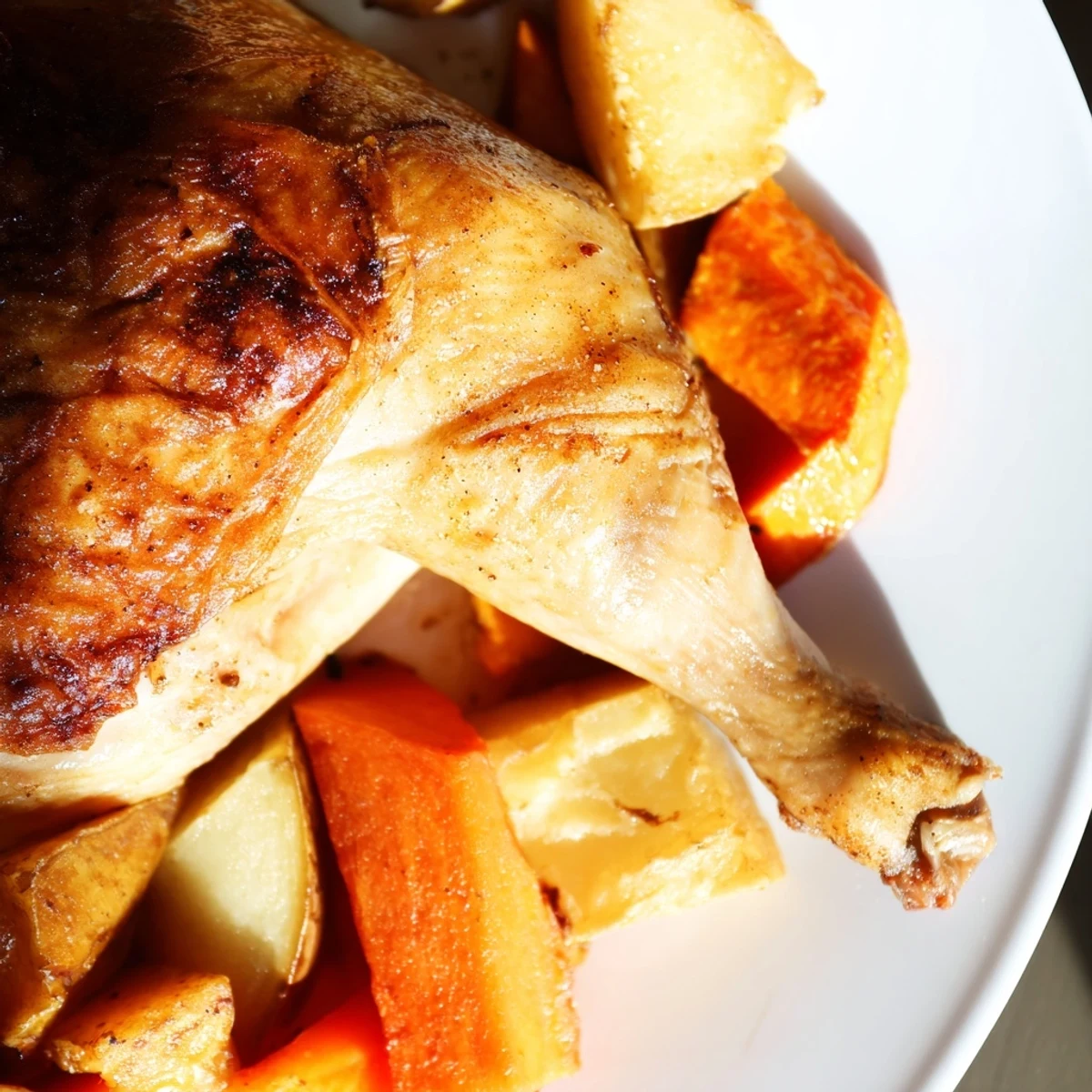
 This dish features succulent chicken roasted to juicy perfection alongside a vibrant mix of root vegetables caramelized in olive oil and herbs. The chicken is seasoned with lemon, garlic, thyme, and rosemary, infusing rich flavors throughout. Root vegetables like carrots, parsnips, potatoes, and sweet potatoes add warmth and texture, roasted together to a tender, golden finish. Stirring midway ensures even browning and enhanced taste. Resting the chicken after roasting locks in the juices while the vegetables absorb pan juices, making each bite flavorful. Ideal for family dinners or festive occasions, this comforting main course highlights simple ingredients elevated by slow roasting.
Sunday afternoons in my kitchen always smell the same when a whole chicken hits a hot oven—that golden, savory promise filling every corner. I discovered this particular combination of roasted chicken and root vegetables by accident, really, when I found myself with a lonely chicken and whatever looked good at the market that week. The medley of caramelized vegetables underneath became the unexpected star, absorbing all those rich pan juices while the chicken turned mahogany and crispy. Now it's the dish I reach for when I want something that feels both effortless and impressive.
I made this for my cousin's family last autumn when everyone showed up cold and hungry, and watching them go quiet for a moment after the first bite told me I'd nailed something. There's a particular kind of satisfaction in pulling one golden bird from the oven and knowing the vegetables underneath are already perfect, already seasoned from everything happening above.
Ingredients
- Whole chicken (1.5 kg / 3.3 lbs): Pat it completely dry before seasoning—any moisture steams instead of roasts, and you lose those crispy, burnished edges.
- Olive oil: Use a good quality one; it carries all the herb and garlic flavors into every crevice of skin.
- Kosher salt and freshly ground black pepper: Don't skip the grinding step—pre-ground pepper tastes flat by comparison.
- Lemon, garlic, thyme, and rosemary: These go inside the cavity and perfume the meat from within, making every bite taste complex.
- Carrots, parsnips, potatoes, sweet potato, and red onion: Mix root vegetables so nothing gets bored—the sweetness of parsnips and sweet potato balances earthy regular potatoes.
- Dried or fresh thyme: Fresh is gentler; dried is more concentrated.
Instructions
- Get everything ready:
- Set your oven to 425°F and pull out your roasting pan. Pat the chicken completely dry—this is non-negotiable if you want crackling skin. Rub it all over with olive oil, salt, and pepper as if you're giving it a proper massage.
- Season from the inside:
- Stuff the cavity with lemon halves, smashed garlic cloves, and fresh herb sprigs. This transforms the inside as it roasts, making the meat tender and deeply flavored.
- Prepare the vegetables:
- Toss your cut vegetables in a bowl with olive oil, salt, pepper, and thyme until everything wears a light coat of oil. Don't undersalt them—they need seasoning on their own.
- Build your pan:
- Spread vegetables across the bottom of your roasting pan, then nestle the chicken breast-side up on top. The vegetables catch all the rendered fat and juices falling from above.
- Roast until golden:
- Put it in the oven for 1 hour 15 minutes, checking around the 40-minute mark. Stir the vegetables once halfway through so they brown evenly on all sides.
- Know when it's done:
- The chicken is ready when the thickest part of the thigh hits 165°F on a thermometer and the juices run clear. If your oven runs hot, start checking at 65 minutes.
- Rest and serve:
- Let the chicken rest 10 minutes before carving—this keeps the meat juicy instead of allowing all that moisture to escape. Toss your vegetables in those pan juices one final time.
 Save to Pinterest
 There was a quiet moment last winter when my daughter, who usually picks at anything with visible herbs, asked for seconds of the vegetables. That's when I realized this recipe had become something more than just dinner—it was the thing that brought everyone to the table without complaint.
Choosing Your Root Vegetables
The magic here is variety—different vegetables roast at different rates and bring different flavors to the party. Parsnips add a natural sweetness that regular potatoes can't match, while sweet potatoes bridge the gap between savory and slightly sweet. Red onions soften and mellow, becoming almost caramelized. If you're shopping and see turnips or rutabaga looking good, grab those too; they taste almost like potatoes but with more personality. The one rule: cut everything roughly the same size so nothing finishes before something else.
The Skin Game
Getting chicken skin crispy is honestly about three things: dryness, heat, and patience. If the oven isn't hot enough, the skin steams rather than crisps, and you end up with something rubbery. If you stuff it with wet herbs or don't pat it dry first, same problem. The 425°F temperature is the sweet spot—hot enough for color and crunch, not so hot that the inside stays raw. Some people brush the skin with melted butter halfway through, which adds richness and deepens the golden color.
Building Flavor Layers
Every element here serves a purpose—the lemon inside keeps the meat bright and prevents it from tasting heavy, the garlic infuses everything with gentle warmth, and the herbs add complexity without taking over. The vegetables underneath aren't just a side dish; they're actively seasoning the chicken while it cooks, and the chicken is seasoning them in return through all those drippings. This is why the dish works as one unified thing rather than protein plus sides.
- If you want even more depth, use fresh herbs inside and dried herbs on the vegetables—they interact differently.
- Don't skip the resting period, even though it's tempting to carve immediately.
- Save any leftover pan juices for tomorrow's soup or to drizzle over yesterday's chicken.
 Save to Pinterest
 This is the dish I make when I want to feel like I've accomplished something without actually laboring over it. Serve it with a crisp white wine and watch how quickly people reach for seconds.
Recipe FAQs
- → What temperature is best for roasting the chicken?
-
Roast the chicken at 425°F (220°C) to achieve a crispy skin and juicy interior.
- → Can I add other root vegetables?
-
Yes, root vegetables like turnips or rutabaga can be added for extra variety and flavor.
- → How do I ensure the chicken stays juicy?
-
Stuffing the cavity with lemon, garlic, and herbs plus resting the chicken after roasting helps retain moisture.
- → When should I stir the vegetables during roasting?
-
Stir the vegetables halfway through roasting to encourage even browning and caramelization.
- → What herbs complement the chicken and vegetables?
-
Fresh thyme and rosemary add aromatic flavors that enhance both the chicken and root vegetables.
- → Is there a suggested wine pairing?
-
A crisp white wine like Chardonnay or Sauvignon Blanc pairs well with this dish’s flavors.