 Save to Pinterest
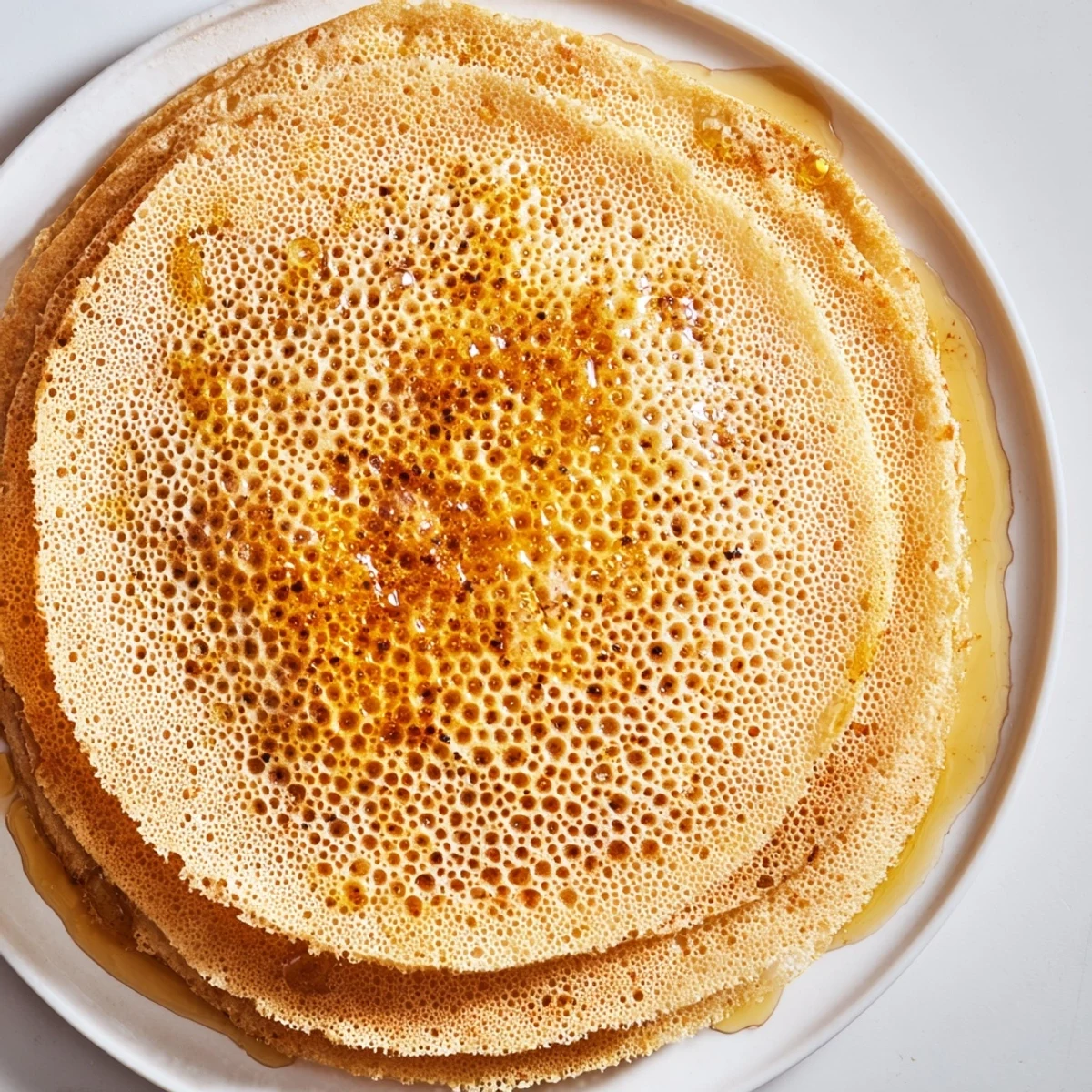
 Baghrir are traditional Moroccan pancakes known for their unique honeycomb appearance and light, spongy texture. These one-sided beauties cook until bubbles cover the surface, creating hundreds of tiny pockets perfect for soaking up melted butter and honey.
The batter combines fine semolina with flour, yeast, and baking powder for that characteristic airy consistency. After resting to develop bubbles, the batter cooks quickly on one side only—no flipping required. The result is a stack of warm, pillowy pancakes that melt in your mouth.
Serve them drizzled with butter and honey for a classic Moroccan breakfast, or try jam, date syrup, or chopped nuts for variety. They're ready in just 35 minutes from start to finish.
My friend's mother taught me to make baghrir during a steamy July afternoon in her tiny kitchen. She flipped the pancakes with such confidence while I fumbled with the batter, laughing at my hesitation. The way those honeycomb bubbles formed like magic on the surface still fascinates me every single time.
Last Ramadan, I made a triple batch for our neighborhood iftar gathering. Children who usually complain about breakfast foods kept coming back for thirds, their fingers sticky with honey. Watching faces light up at the first bite of those warm, spongy pancakes made the effort feel like the easiest thing in the world.
Ingredients
- Fine semolina: This is the secret behind that distinctive texture and yellow hue, so dont try substituting with regular flour
- All-purpose flour: Just enough to give structure while keeping the pancakes tender and light
- Instant yeast: Works faster than active dry yeast and creates those signature holes as the batter rests
- Baking powder: Ensures extra bubbles and guarantees the honeycomb pattern forms reliably
- Sugar: Just a touch to balance the flavors without making these sweet pancakes cloying
- Lukewarm water: Must be warm to the touch but not hot, or youll kill the yeast before it can work
- Unsalted butter: Melted and brushed over the warm pancakes, it soaks into all those little craters
- Honey: The traditional finish that seeps into every crevice, creating pockets of sweetness throughout
Instructions
- Mix the dry base:
- Whisk the semolina, flour, instant yeast, baking powder, sugar, and salt in a large bowl until everything is evenly combined and no lumps remain.
- Add the water:
- Pour in the lukewarm water gradually while whisking constantly to create a smooth, thin batter, stopping once it reaches the consistency of heavy cream.
- Let the bubbles form:
- Cover the bowl with a clean kitchen towel and set it aside for 30 minutes, until tiny bubbles cover the surface and the batter becomes frothy.
- Heat your pan:
- Warm a non-stick skillet or crepe pan over medium heat until a drop of water sizzles and dances across the surface.
- Pour and wait:
- Stir the batter gently and ladle about 1/4 cup onto the skillet, letting it spread naturally into a circle without touching it with your spoon.
- Cook on one side only:
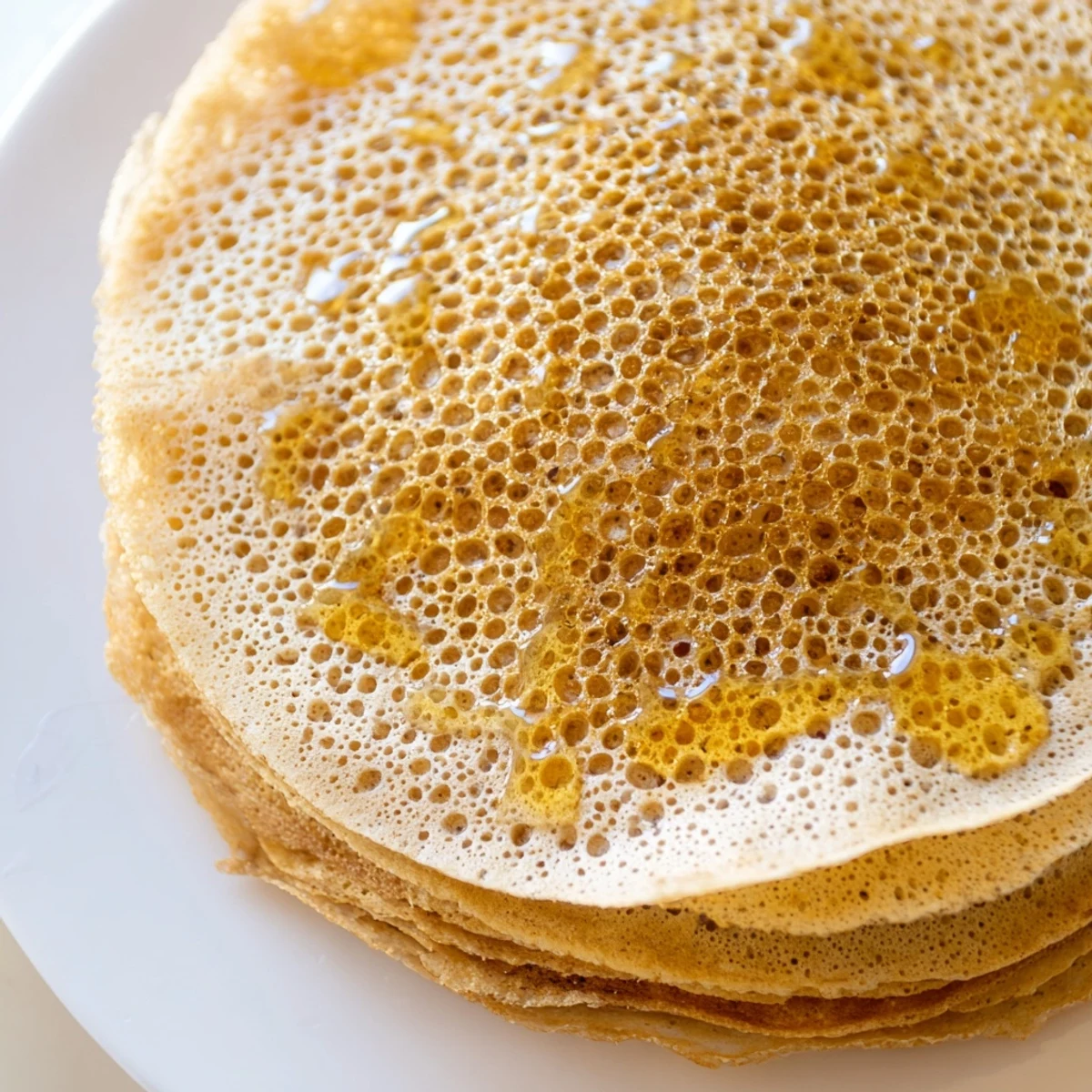
- Wait until the surface is covered with holes and the top looks dry and matte, about 2 minutes, then slide the pancake onto a kitchen towel.
- Keep them warm:
- Stack the cooked pancakes and cover them while you repeat with the remaining batter, stirring the batter occasionally between pancakes.
- Serve generously:
- Brush each warm baghrir with melted butter and drizzle with honey, letting the toppings soak into all those little holes before serving.
 Save to Pinterest
 My daughter now requests these for Sunday breakfast instead of regular pancakes. She sits on the counter watching the bubbles form, convinced there's tiny kitchen magic happening in the batter. Some traditions adopt you faster than you expect.
Getting The Batter Right
The batter should be thinner than American pancake batter but thicker than crepe batter, easily pourable but not watery. If you accidentally make it too thick, add water one tablespoon at a time until it flows freely off your whisk.
Perfect Pan Temperature
Medium heat is ideal, but every stove differs. If the bubbles aren't forming well, lower the heat slightly and give the pan an extra minute to adjust. Too hot and the bottom burns before the holes can develop properly.
Make Ahead And Storage
The batter actually benefits from resting longer in the refrigerator, developing even more flavor and bubble potential. Cooked baghrir freeze beautifully layered between parchment paper, then rewrap in foil and warm at 350°F for 10 minutes.
- Let frozen pancakes thaw completely before reheating for the best texture
- Reheat in a dry skillet rather than the microwave to maintain that signature sponginess
- Brush with fresh butter after reheating to bring back that just-made quality
 Save to Pinterest
 There's something profoundly satisfying about food that requires no special skills to make but tastes like it does. These pancakes have become my go-to for feeding a crowd without spending my whole morning in the kitchen.
Recipe FAQs
- → What makes baghrir different from regular pancakes?
-
Baghrir have a distinctive honeycomb texture created by yeast and baking powder bubbles that form during cooking. Unlike regular pancakes, they're cooked on one side only and feature hundreds of small holes perfect for absorbing toppings.
- → Why shouldn't I flip baghrir while cooking?
-
Baghrir are designed to cook on one side only. This single-sided cooking method allows the characteristic bubbles to form and set properly. Flipping would deflate the air pockets and ruin the signature honeycomb texture.
- → Can I make baghrir batter ahead of time?
-
Yes, the batter can be prepared and refrigerated for several hours before cooking. However, let it come to room temperature and give it a gentle stir before cooking, as the bubbles may settle during refrigeration.
- → What's the best way to serve baghrir?
-
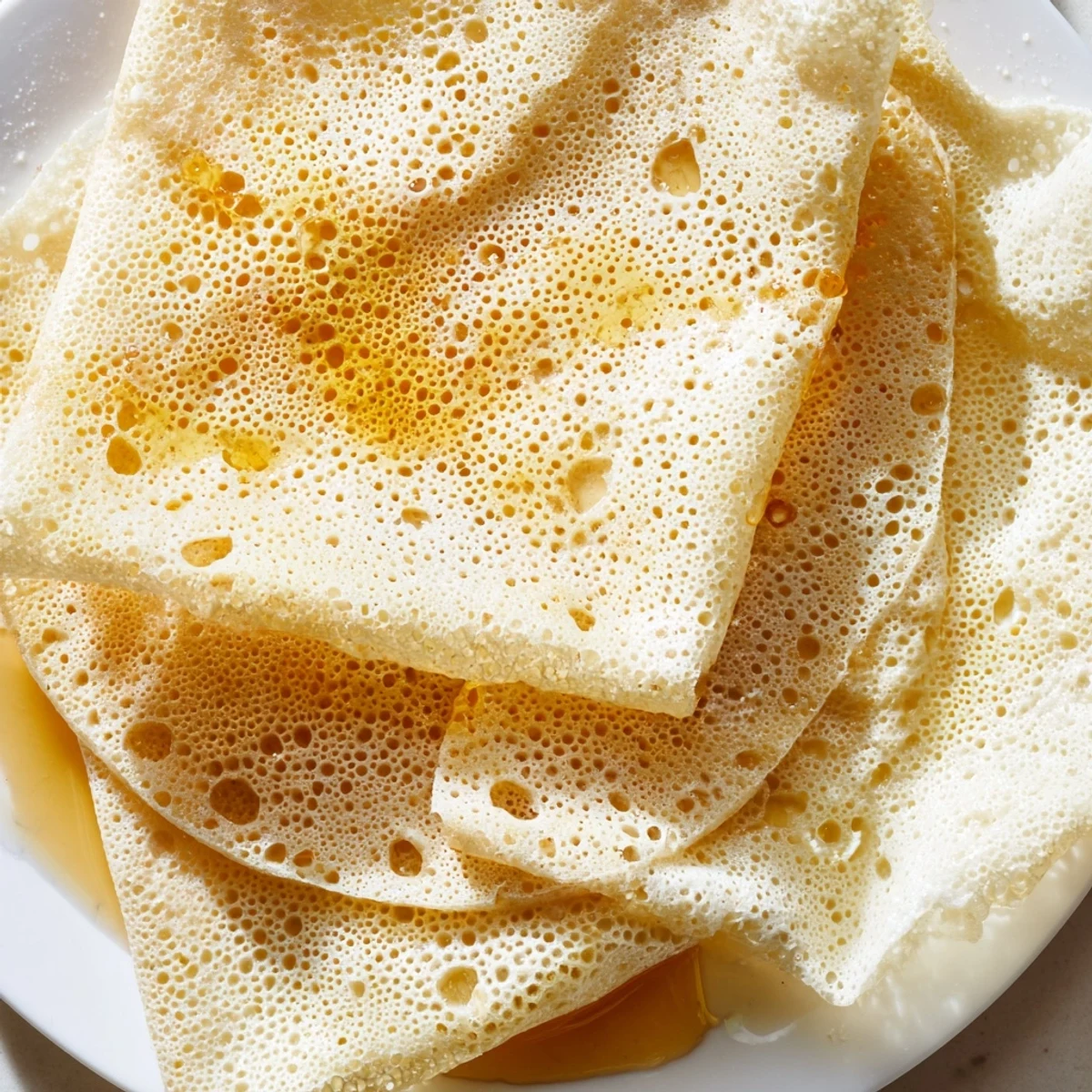
Traditional baghrir are served warm, generously drizzled with melted butter and honey. The honeycomb holes soak up the liquids beautifully. You can also try date syrup, fruit jams, or sprinkle chopped nuts on top.
- → How do I know when baghrir are done cooking?
-
Your baghrir are ready when the surface is completely covered with small holes and the wet, glossy appearance disappears. The edges should be set, and the top should feel dry to the touch—typically about 2 minutes over medium heat.