
 Save to Pinterest
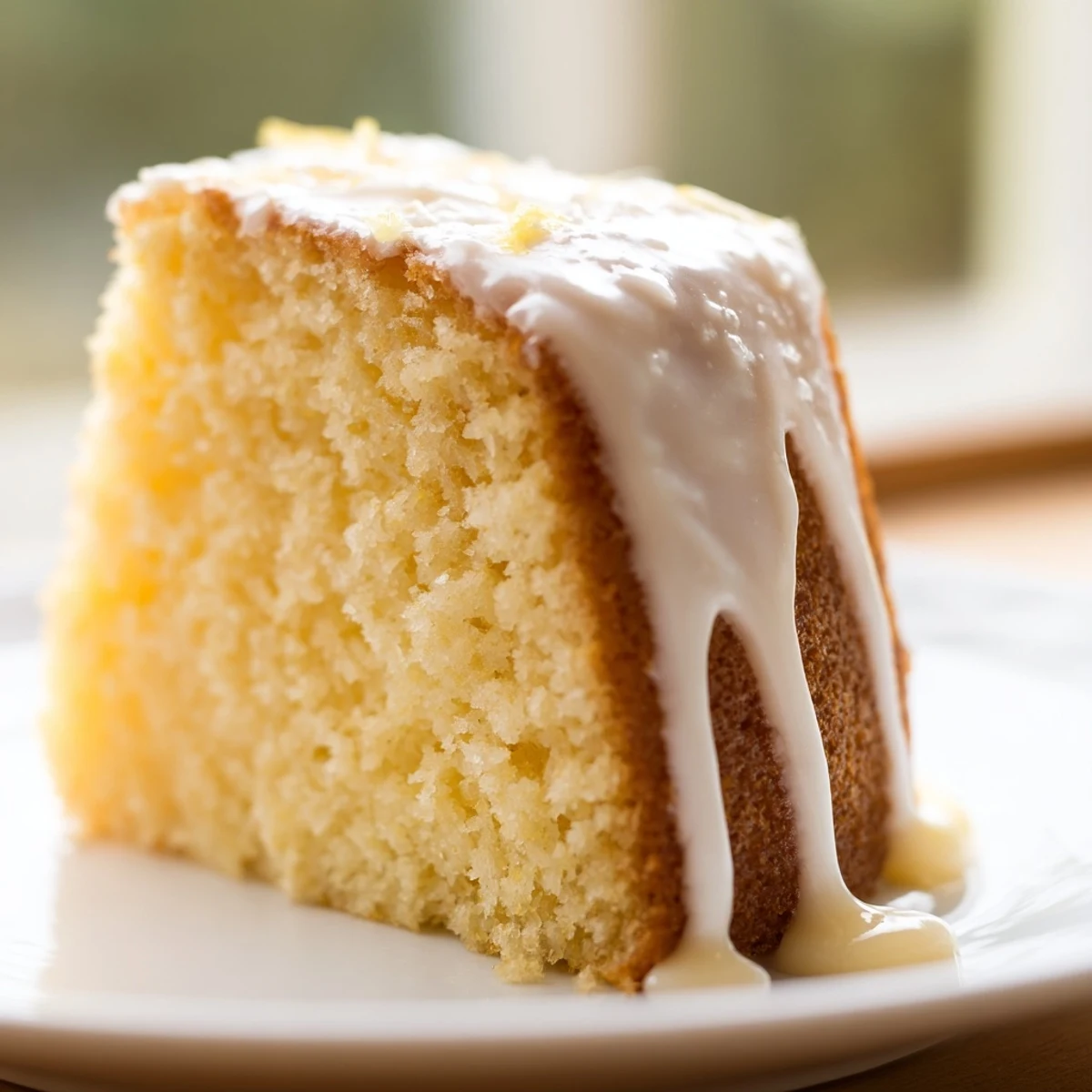
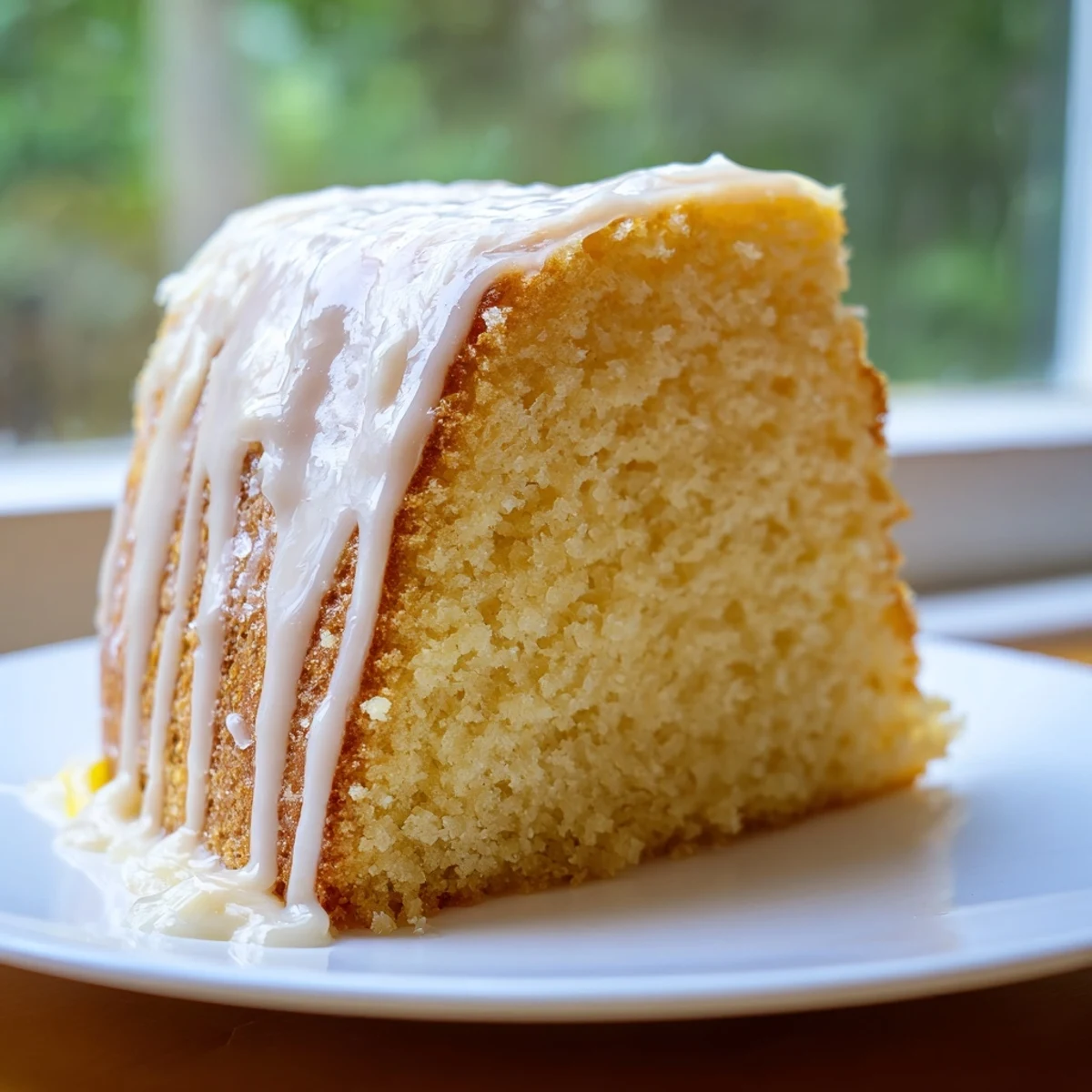
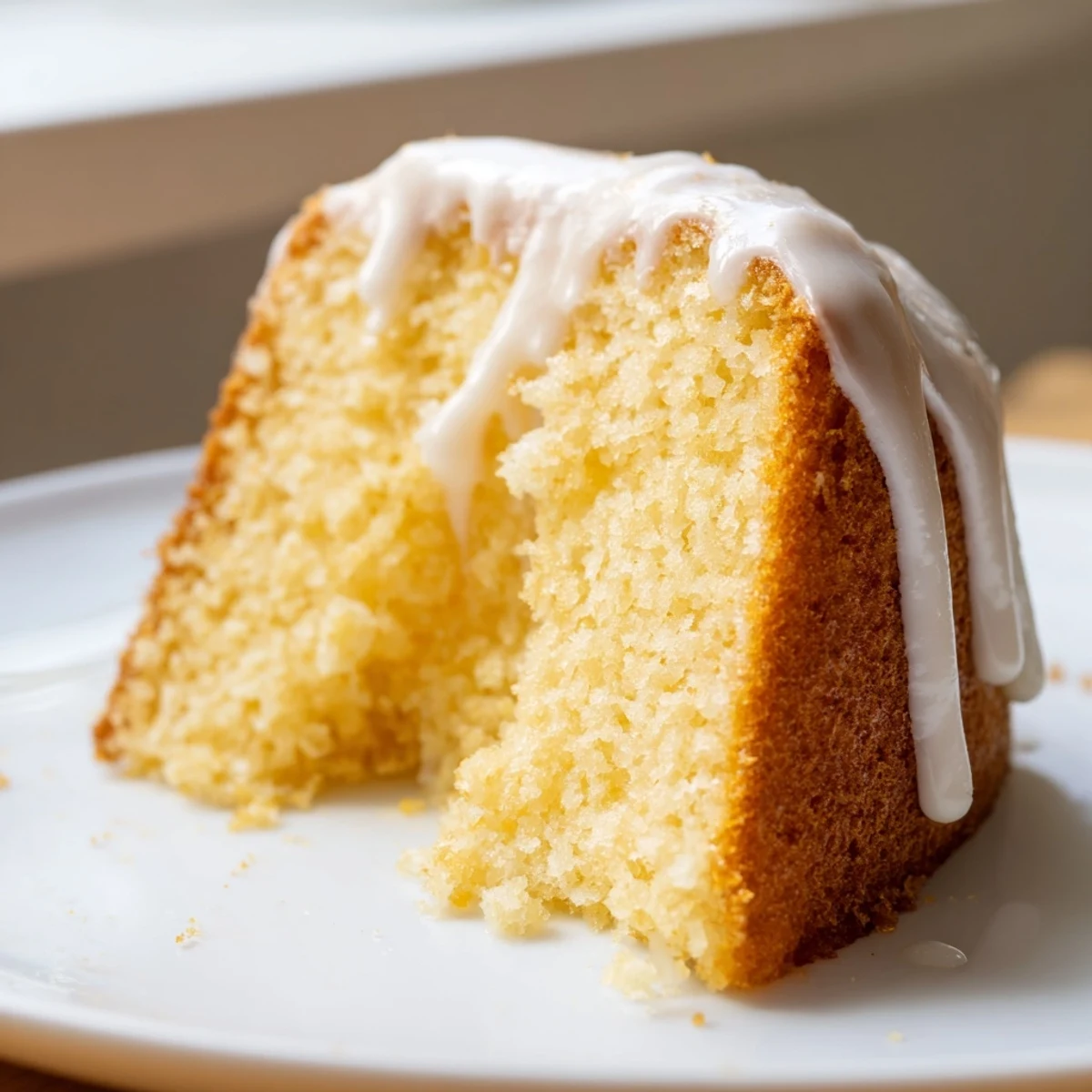
 This classic American dessert features a remarkably moist and tender vanilla sponge cake, beloved for generations at church socials and community gatherings. The simple yet perfect combination of butter, buttermilk, and vanilla creates a delicate crumb that stays fresh longer than typical cakes. Topped with a smooth vanilla glaze that adds just the right amount of sweetness, this cake travels beautifully and serves a crowd effortlessly. Ready in under an hour with basic pantry ingredients, it's the go-to choice for potlucks, bake sales, and celebrations where you need something reliably delicious that everyone will enjoy.
The smell of vanilla always pulls me back to Sunday mornings at my grandmother's church, where women in floral hats would crowd around the fellowship hall table. Someone always brought this cake, the glaze still glistening, and it disappeared faster than the pastor could finish his benediction. Years later, I found her recipe tucked inside a worn cookbook, margins splattered with batter and notes about which church lady made it best.
I made twelve of these cakes for my daughters baptism reception, stacking them on three different tables because my kitchen counter space was nonexistent. The woman who coordinated the event took one bite and asked for the recipe before she even finished her first slice, writing it down on the back of an offering envelope.
Ingredients
- 2 1/2 cups all-purpose flour: The structure that holds everything together, but measure it by spooning into your cup and leveling off for best results
- 2 tsp baking powder and 1/2 tsp baking soda: This combination gives the cake its gentle rise without making it taste metallic or over-leavened
- 1/2 tsp salt: Just enough to brighten the vanilla flavor and keep the cake from tasting flat
- 1 cup unsalted butter: Room temperature is non-negotiable here, cold butter will leave you with tiny lumps in the batter
- 1 3/4 cups granulated sugar: Cream this thoroughly with the butter or you will end up with a dense, sad cake
- 3 large eggs: Also at room temperature, they emulsify better and create a more tender crumb
- 1 tbsp vanilla extract: Do not skimp here, this is the soul of the cake
- 1 cup buttermilk: The secret ingredient that makes the cake impossibly tender and gives it a slight tang that balances the sweetness
- 1 1/2 cups powdered sugar: For the glaze, sift it first or you will spend ten minutes fishing out lumps
- 2-3 tbsp milk: Start with two tablespoons and add more only if your glaze is too thick to pour
- 1/2 tsp vanilla extract: Added to the glaze for that double vanilla flavor everyone notices but cannot quite place
Instructions
- Get your oven ready:
- Preheat to 350°F and grease a 9x13-inch pan, then dust it with flour and tap out the excess, this creates a non-stick surface that helps the cake release cleanly
- Whisk the dry ingredients:
- Combine the flour, baking powder, baking soda, and salt in a medium bowl, whisking them together thoroughly so you do not bite into pockets of baking powder later
- Cream the butter and sugar:
- Beat them together for a full three minutes until the mixture looks pale and fluffy, this step creates air pockets that make the cake light
- Add the eggs:
- Drop them in one at a time, letting the mixer incorporate each completely before adding the next, then pour in the vanilla extract
- Combine the mixtures:
- Alternate adding the flour mixture and buttermilk, starting and ending with the flour, mixing only until you no longer see dry streaks
- Bake the cake:
- Spread the batter evenly and bake for 30-35 minutes, checking at the 30-minute mark because every oven has a personality of its own
- Cool and glaze:
- Let the cake rest in the pan for 15 minutes before moving it to a wire rack, then whisk the glaze ingredients until smooth and pour it over the completely cooled cake
 Save to Pinterest
 My youngest nephew asked if he could lick the glaze bowl and ended up with powdered sugar from his chin to his hairline. Every time I make this cake now, I set aside a small bowl of glaze just for him, a tiny tradition he remembers more than the cake itself.
Making It Your Own
The beauty of this recipe is how gracefully it accepts variation without complaint. I have added lemon zest to the batter when spring felt too far away, and stirred chopped pecans into the glaze when my Texas relatives visited. Once I folded dried cranberries into the batter for a Christmas potluck and watched three different people ask for the recipe between main course and dessert.
Buttermilk Secrets
Real buttermilk makes a difference you can taste, but I have learned the hard way that regular milk with a tablespoon of lemon juice works in a pinch. Let it sit for five minutes until it thickens slightly and curdles, that acidity is what activates the baking soda and creates the tender texture everyone notices. I keep powdered buttermilk in my pantry specifically for moments when I refuse to make another grocery store run.
Serving and Storage
This cake travels beautifully, which is probably why it showed up at every church function and family reunion I can remember. I have wrapped the unglazed cake in plastic and frozen it for up to a month, thawing it on the counter overnight before glazing the next morning. It actually tastes better the second day, as if the flavors needed time to get properly acquainted.
- Serve this with strong coffee or black tea to cut through the sweetness
- If transporting the cake, wait until you arrive to add the glaze
- Store covered at room temperature for up to three days, the refrigerator will dry it out
 Save to Pinterest
 Some recipes are about precision and technique, but this one is about comfort and sharing. It is the cake you make when you need to feed a crowd, bring a dish, or simply remind someone that they are loved.
Recipe FAQs
- → Why is this called church cake?
-
This cake earned its name because it's a staple at church gatherings, potlucks, and socials. The simple ingredients, easy preparation, and ability to serve a large group make it perfect for community events where home cooks bring dishes to share.
- → Can I make this cake ahead of time?
-
Absolutely! This cake actually tastes better the next day as the flavors meld and the moisture distributes throughout. Store covered at room temperature for up to 3 days, or refrigerate for up to a week. The glaze can be added the day of serving for freshest appearance.
- → What makes this cake so moist?
-
The combination of buttermilk and butter creates exceptional moisture. Buttermilk's acidity tenderizes the gluten while the high butter content adds richness. The proper creaming method of beating butter and sugar until fluffy also incorporates air for a light yet moist texture.
- → Can I freeze this cake?
-
Yes, freeze beautifully! Wrap the completely cooled unglazed cake tightly in plastic wrap and foil for up to 3 months. Thaw overnight at room temperature, then add the glaze just before serving. Already glazed pieces can also be frozen individually.
- → What's the best way to glaze the cake?
-
Wait until the cake is completely cool before glazing to prevent melting. Whisk the glaze until smooth and pourable—it should coat the back of a spoon. Pour slowly over the center and let it drip down the sides naturally. Allow 15-20 minutes to set before slicing.
- → Can I make this as a layer cake instead?
-
Yes! Divide the batter between two 9-inch round pans and reduce baking time to 25-30 minutes. Double the glaze to frost between layers and on top. The moist texture works wonderfully as a layered dessert for more formal occasions.