
 Save to Pinterest
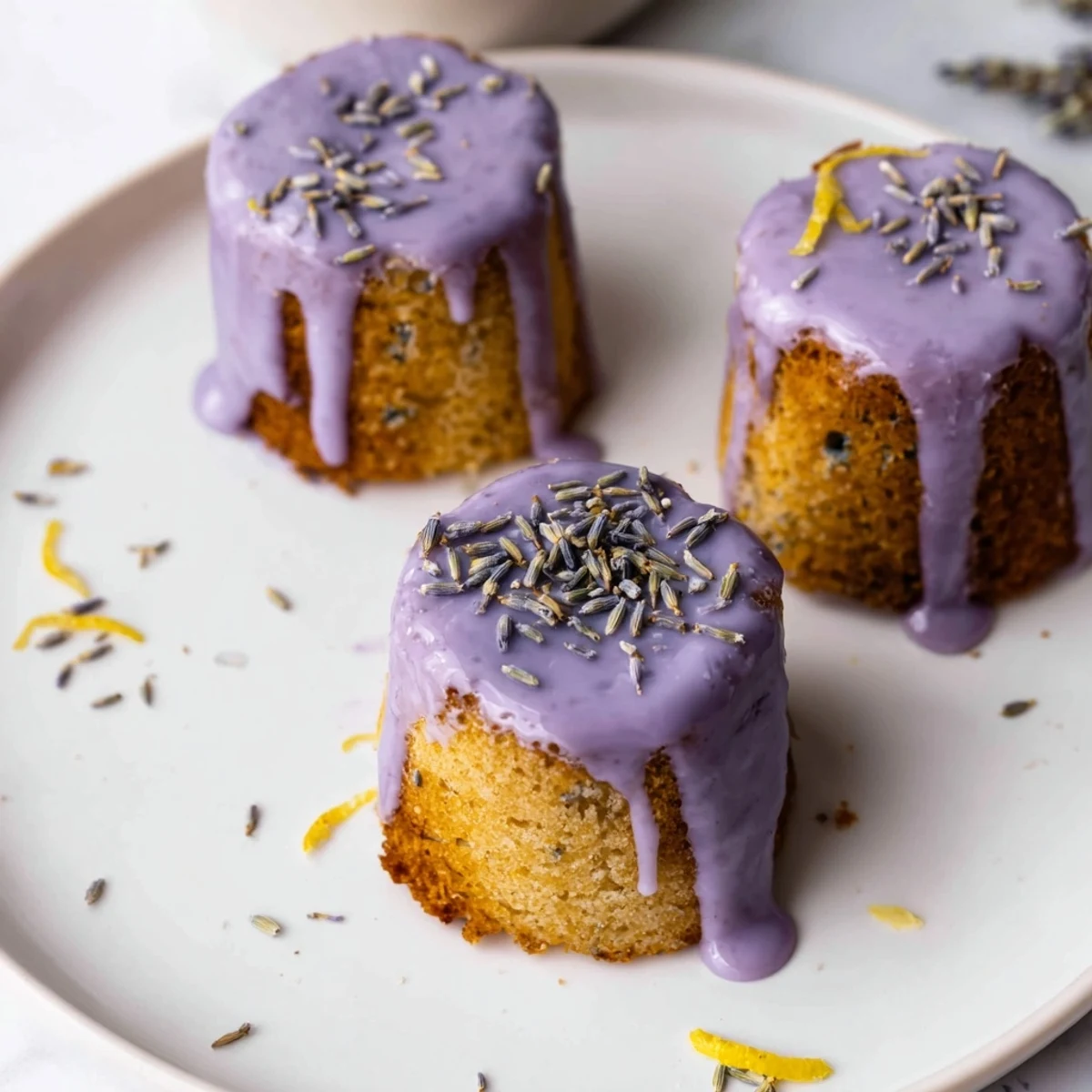
 These delightful mini lemon cakes combine bright citrus flavors with the aromatic essence of culinary lavender. The tender, moist crumb comes from careful creaming of butter and sugar, while fresh lemon zest and juice provide vibrant tanginess throughout each bite.
The fragrant lavender glaze adds sophisticated floral notes that complement the citrus base beautifully. Each miniature cake is perfectly portioned for elegant gatherings, afternoon tea service, or as a refined dessert course. The batter yields twelve individual servings, making them ideal for sharing.
Baking requires just 18 minutes at 350°F, and the glaze comes together quickly with powdered sugar, milk, crushed dried lavender, and fresh lemon juice. For enhanced lavender flavor, consider steeping the glaze milk with crushed buds before straining.
The first time I made these little lemon cakes, my kitchen filled with this incredible perfume of bright citrus and floral lavender that had my neighbor actually knocking on the door to ask what I was baking. I had this grand vision of an elegant spring tea party, but honestly, I ate three of them straight off the cooling rack before anyone else even arrived.
Last spring I made a batch for my book club and watched my usually skeptical friend Sarah take one bite, eyes widen, and immediately ask for the recipe. Theres something magical about how the floral lavender plays with the tart lemon, like sunshine and gardens in one tiny cake.
Ingredients
- All purpose flour: The foundation that gives these cakes structure without being heavy or dry
- Baking powder and baking soda: Both work together to create that perfect rise and tender crumb texture
- Salt: Just enough to enhance all the flavors without making them taste salty
- Unsalted butter: Room temperature butter creates pockets of air that make these cakes incredibly tender
- Granulated sugar: Sweetens while helping create that lovely golden crust
- Large eggs: Must be room temperature to properly emulsify with the butter for even texture
- Fresh lemon zest: This is where most of the bright lemon flavor comes from, so grate generously
- Fresh lemon juice: Adds tanginess and moisture while activating the baking soda
- Whole milk: Creates richness and helps balance the acidity of the lemon
- Pure vanilla extract: Rounds out all the citrus and floral notes beautifully
- Powdered sugar: Creates that smooth pourable glaze consistency
- Dried culinary lavender: Use only culinary grade to avoid bitterness and perfumed aftertaste
Instructions
- Prep your oven and pan:
- Preheat to 350°F and generously grease and flour your mini bundt or muffin pan so every cake releases perfectly
- Whisk the dry ingredients:
- In a medium bowl, combine flour, baking powder, baking soda, and salt until well blended
- Cream butter and sugar:
- Beat softened butter and sugar for 2 to 3 minutes until pale and fluffy, scraping the bowl halfway through
- Add the eggs:
- Beat in eggs one at a time, letting each fully incorporate before adding the next
- Infuse with citrus:
- Mix in the fresh lemon zest and vanilla extract until fragrant
- Add lemon juice:
- Pour in the fresh lemon juice and mix briefly
- Combine wet and dry:
- Add flour mixture in three parts, alternating with milk, starting and ending with flour
- Gentle folding:
- Mix until just combined, being careful not to overwork the batter
- Fill the molds:
- Divide batter evenly among prepared mini cake cavities
- Bake to golden:
- Bake 16 to 18 minutes until a toothpick comes out clean and tops are lightly golden
- Cool properly:
- Let rest 10 minutes in the pan, then turn onto a wire rack to cool completely
- Make the glaze:
- Whisk powdered sugar, milk, crushed lavender, and lemon juice until smooth and pourable
- Glaze generously:
- Spoon the lavender glaze over each completely cooled cake
- Finish with flair:
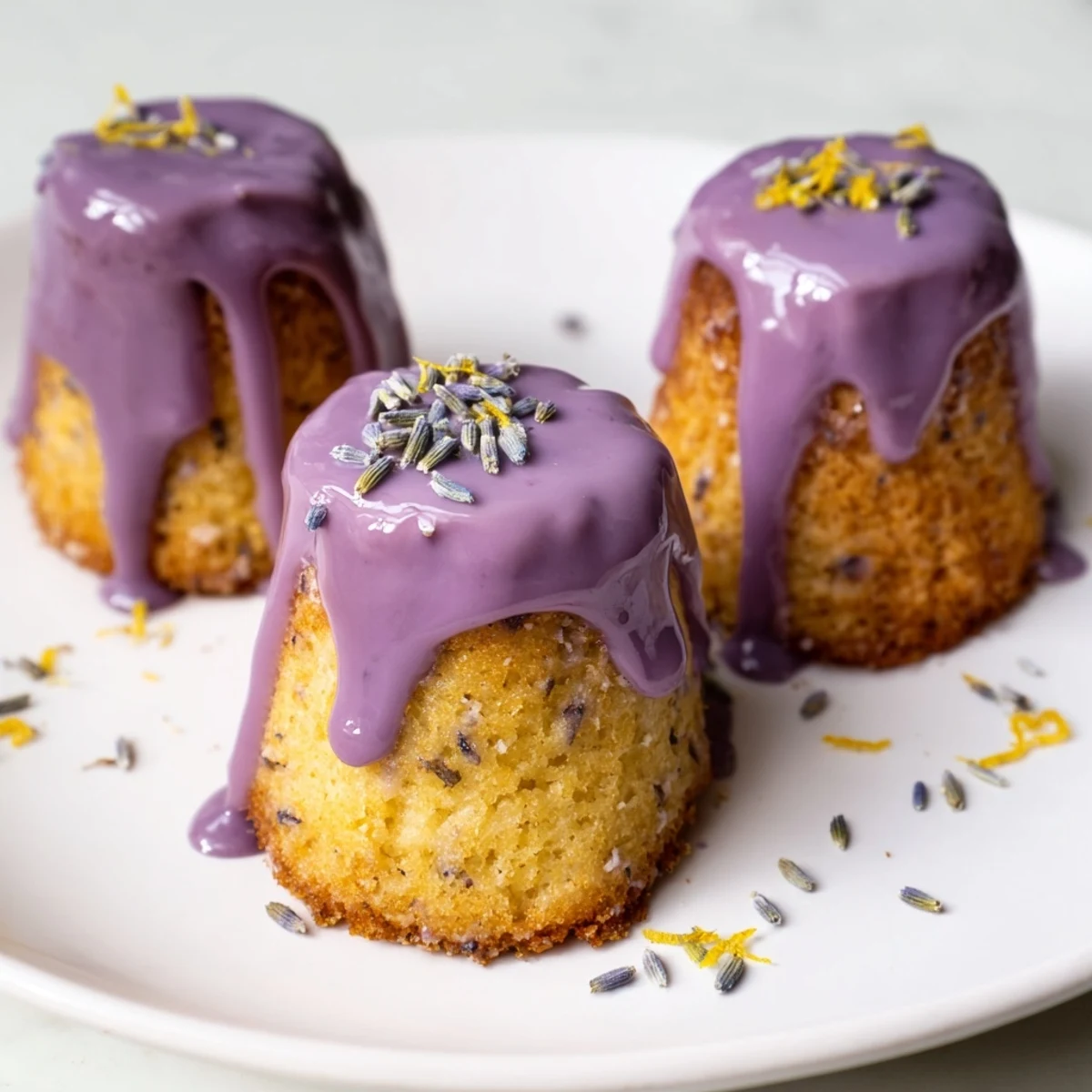
- Sprinkle with dried lavender buds and fresh lemon zest strips
 Save to Pinterest
 These little cakes became my signature dessert after I served them at my daughters bridal shower and watched the bride to be actually cancel the professional dessert order. Now theyre my go to for everything from Sunday brunch to fancy dinner parties.
Getting The Most From Lavender
I learned that crushing dried lavender between your fingers right before using it releases way more aromatic oils than pre ground versions. The smell when you crush it is absolutely intoxicating and carries through beautifully in the finished glaze.
Making These Ahead
The unfilled cakes freeze beautifully for up to three months wrapped tightly in plastic and foil. I always keep a stash in the freezer, then thaw and glaze them fresh whenever unexpected guests drop by or I need a last minute dessert.
Serving Suggestions
These mini cakes shine alongside afternoon tea, a glass of chilled Moscato, or even a strong cup of Earl Grey. The floral notes pair especially well with the tannin in black tea.
- Serve them on vintage plates for extra charm
- Offer plain versions alongside lavender ones for picky eaters
- Keep the glaze slightly thick for better coverage
 Save to Pinterest
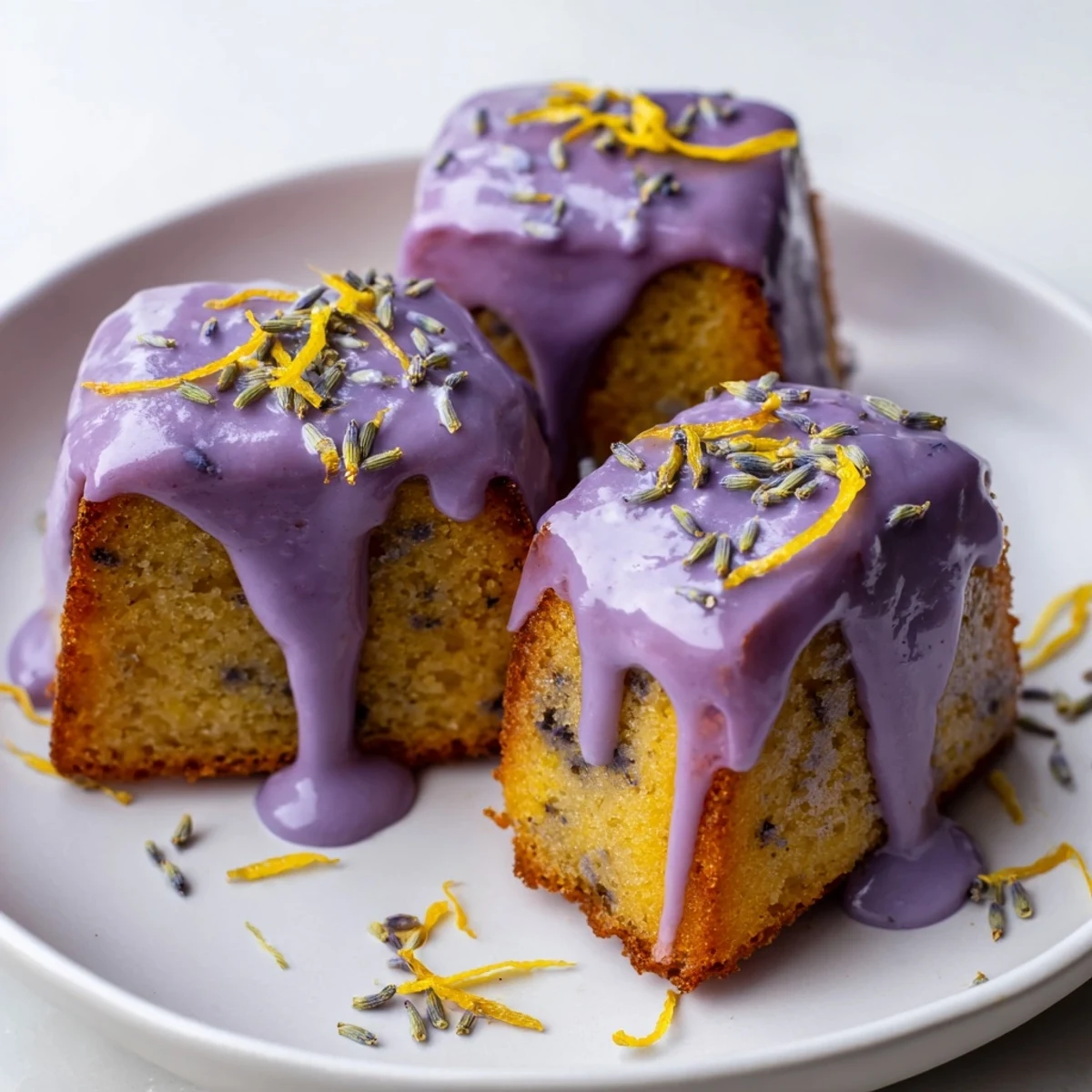
 These little lemon lavender cakes have become one of those recipes I make without even looking at the card anymore, and I hope they bring that same sunny joy to your kitchen too.
Recipe FAQs
- → What type of lavender works best for the glaze?
-
Use culinary-grade dried lavender buds specifically intended for cooking. Regular craft or sachet lavender may contain pesticides or have bitter flavors. English lavender varieties like Provence or Munstead offer sweet, floral profiles perfect for desserts.
- → Can I make these mini cakes ahead of time?
-
Yes, bake the cakes up to one day in advance and store in an airtight container at room temperature. Apply the lavender glaze shortly before serving to maintain its smooth texture and prevent the cakes from becoming soggy.
- → What's the secret to achieving moist texture?
-
Proper creaming of softened butter and sugar for 2-3 minutes creates air pockets that ensure tenderness. Additionally, alternating flour and milk additions prevents overmixing, which keeps gluten development in check for a soft, delicate crumb.
- → Can I substitute the all-purpose flour?
-
Cake flour creates an even lighter texture. Substitute by weight (180g) or use 1 cup plus 2 tablespoons of cake flour sifted with 1 teaspoon cornstarch. For gluten-free needs, a 1:1 baking blend works, though texture may vary slightly.
- → How should I store glazed leftovers?
-
Place glazed cakes in a single layer in an airtight container, separated by parchment paper to prevent sticking. Refrigerate for up to 3 days, though bringing them to room temperature before serving restores optimal texture and flavor.
- → What beverages pair well with these?
-
Chilled Moscato d'Asti complements the floral notes beautifully. Earl Grey tea enhances the lavender flavors, while a crisp prosecco provides refreshing contrast. For non-alcoholic options, try lemon verbena tea or sparkling water with lemon.