
 Save to Pinterest
 This Mediterranean hummus platter offers a creamy blend of chickpeas, tahini, and olive oil, beautifully framed by an assortment of fresh cherry tomatoes, cucumbers, baby carrots, bell peppers, radishes, and snap peas. Lightly seasoned with garlic, cumin, and lemon juice, the hummus balances richness and brightness. Garnished with smoked paprika, parsley, olives, and lemon wedges, it creates a colorful, inviting dish perfect for easy entertaining or light snacking. Preparation requires only a food processor and takes just 20 minutes, all with gluten-free, vegan ingredients that satisfy diverse dietary preferences.
There's something magical about setting out a hummus platter on a lazy afternoon—the way the sunlight catches the olive oil swirl, how guests naturally gravitate toward it without being asked. I discovered this particular arrangement one spring when I had too many vegetables from the market and a craving for something that didn't feel like cooking, so I just started building. It became the dish people ask for.
I made this for my sister's book club once, nervous that hummus wouldn't feel special enough, and watched four women stand around the platter debating whether the radishes or the snap peas had the best crunch. That's when I realized the simplest things, prepared with intention, sometimes hit harder than anything complicated ever could.
Ingredients
- Cooked chickpeas: The foundation—canned works perfectly fine, just rinse them until the water runs clear or your hummus will taste chalky and bitter.
- Tahini: This sesame paste is the secret to that restaurant-quality creaminess; don't skip it or use a substitute, it genuinely changes everything.
- Extra virgin olive oil: Use something you actually enjoy tasting because it's doing half the flavor work here.
- Fresh lemon juice: Bottled will betray you—squeeze it fresh or don't bother.
- Garlic: One small clove is plenty unless you're into intense things; I learned this after making a batch that cleared the room.
- Ground cumin: Adds warmth without announcing itself, the kind of spice that makes people say 'what is that?' but can never quite place it.
- Sea salt: Better flavor than table salt and easier to taste your way to perfect.
- Cherry tomatoes: The jewels of the platter—halve them so they're easy to grab and their sweetness shines.
- Cucumber: Slice it just before serving so it stays crisp and doesn't water down your dip.
- Bell peppers: The warm colors draw people in, and their sweetness balances the hummus beautifully.
- Radishes: These peppery little circles add a shock of heat that keeps things interesting.
- Snap peas: Almost crunchy enough to be their own reward, and they feel elegant without trying.
- Fresh parsley: A sprinkle on top signals 'I cared about how this looks,' which matters more than you'd think.
- Smoked paprika: The finishing touch that makes people lean in closer—it looks like you know what you're doing.
- Kalamata olives: A briny, salty moment scattered across the platter that grounds everything else.
Instructions
- Blend the hummus:
- Pulse the chickpeas, tahini, olive oil, lemon juice, garlic, cumin, and salt in a food processor until you hit that sweet spot between chunky and smooth—it should look creamy but still have a little texture. Add water one tablespoon at a time while it's running, tasting as you go, because texture matters and it happens faster than you'd expect.
- Create the swirl:
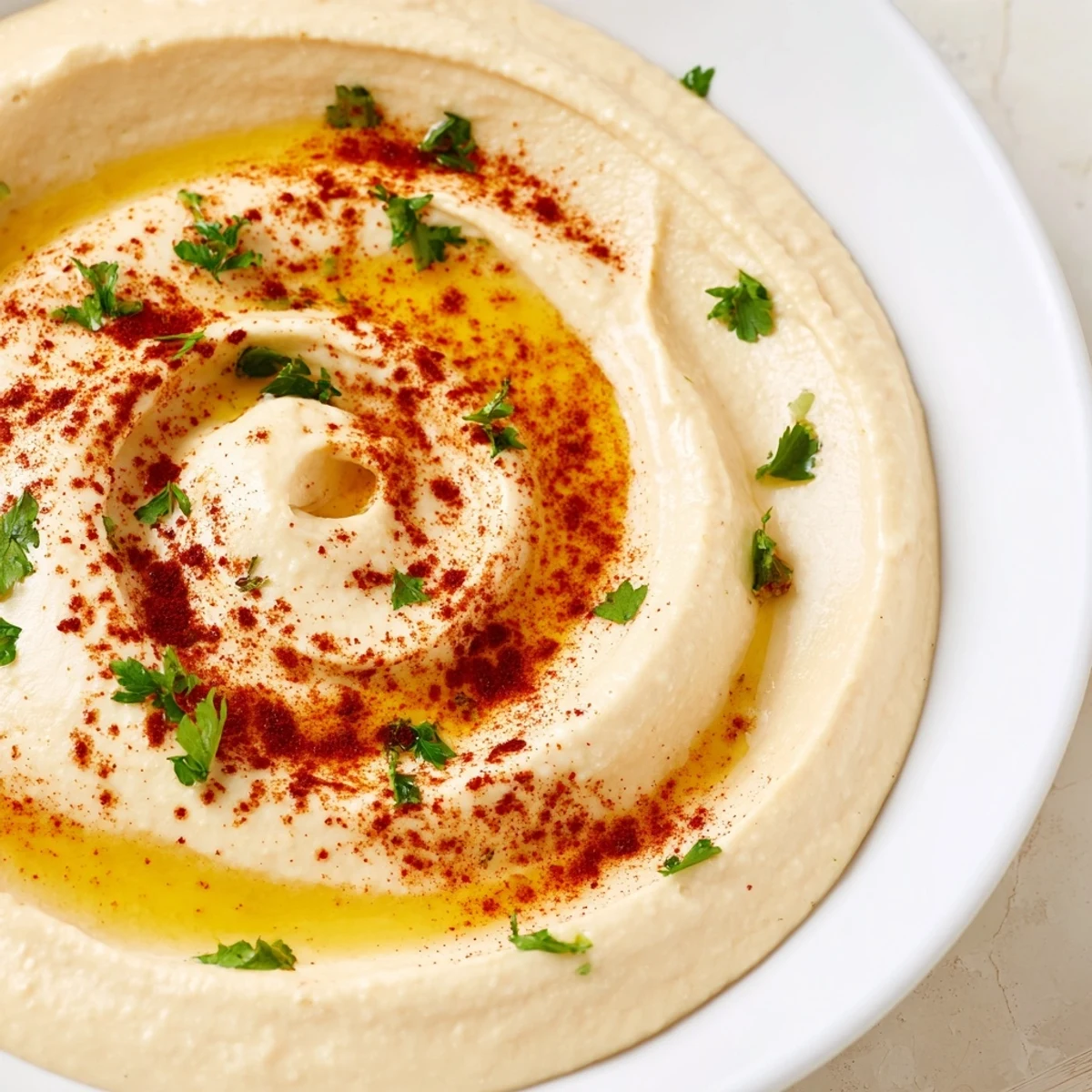
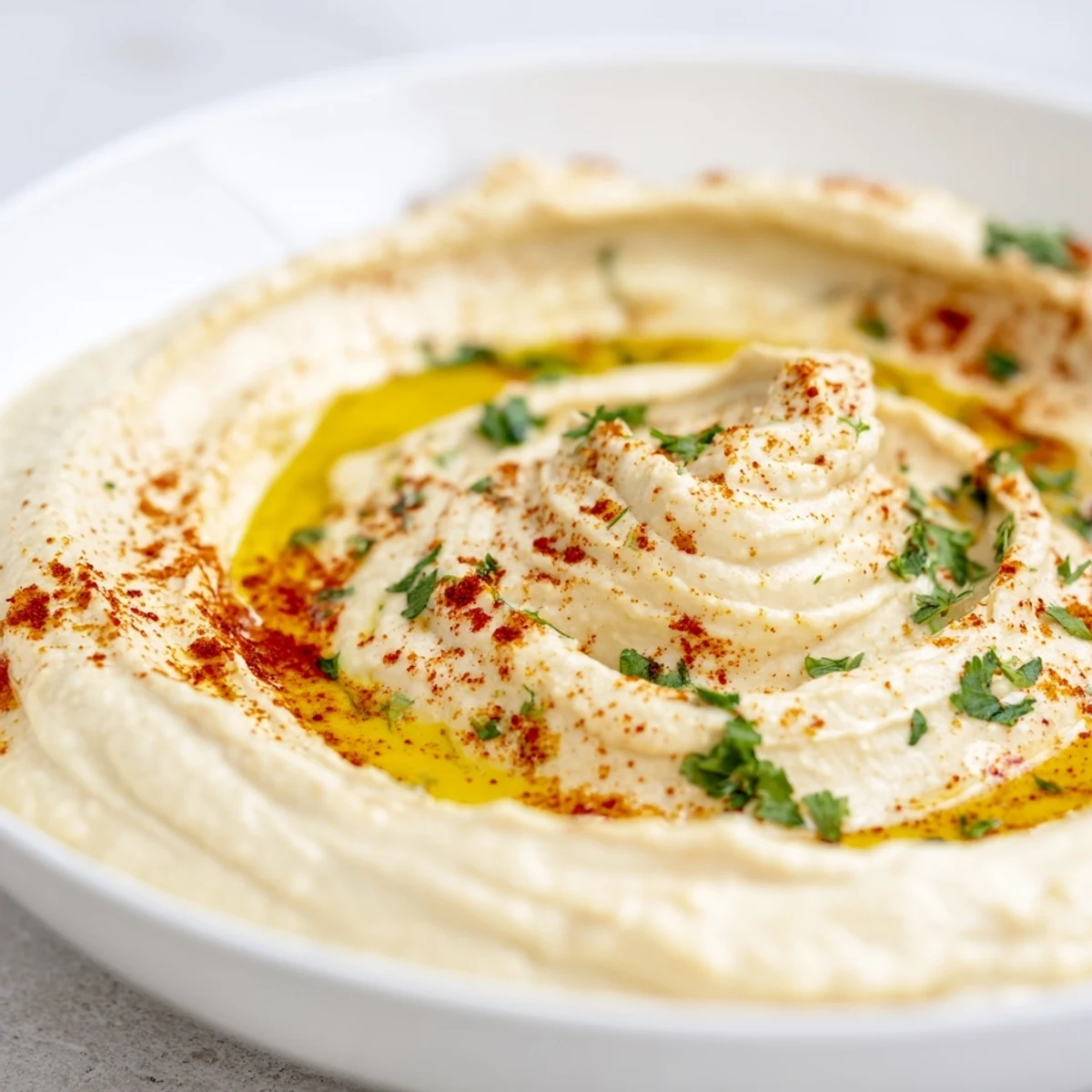
- Scoop the hummus into a shallow bowl and use the back of a spoon to make a gentle well in the center, dragging it in one or two elegant curves. This isn't just decoration—it gives the hummus room to breathe and looks like you learned how from someone who knows.
- Top with intention:
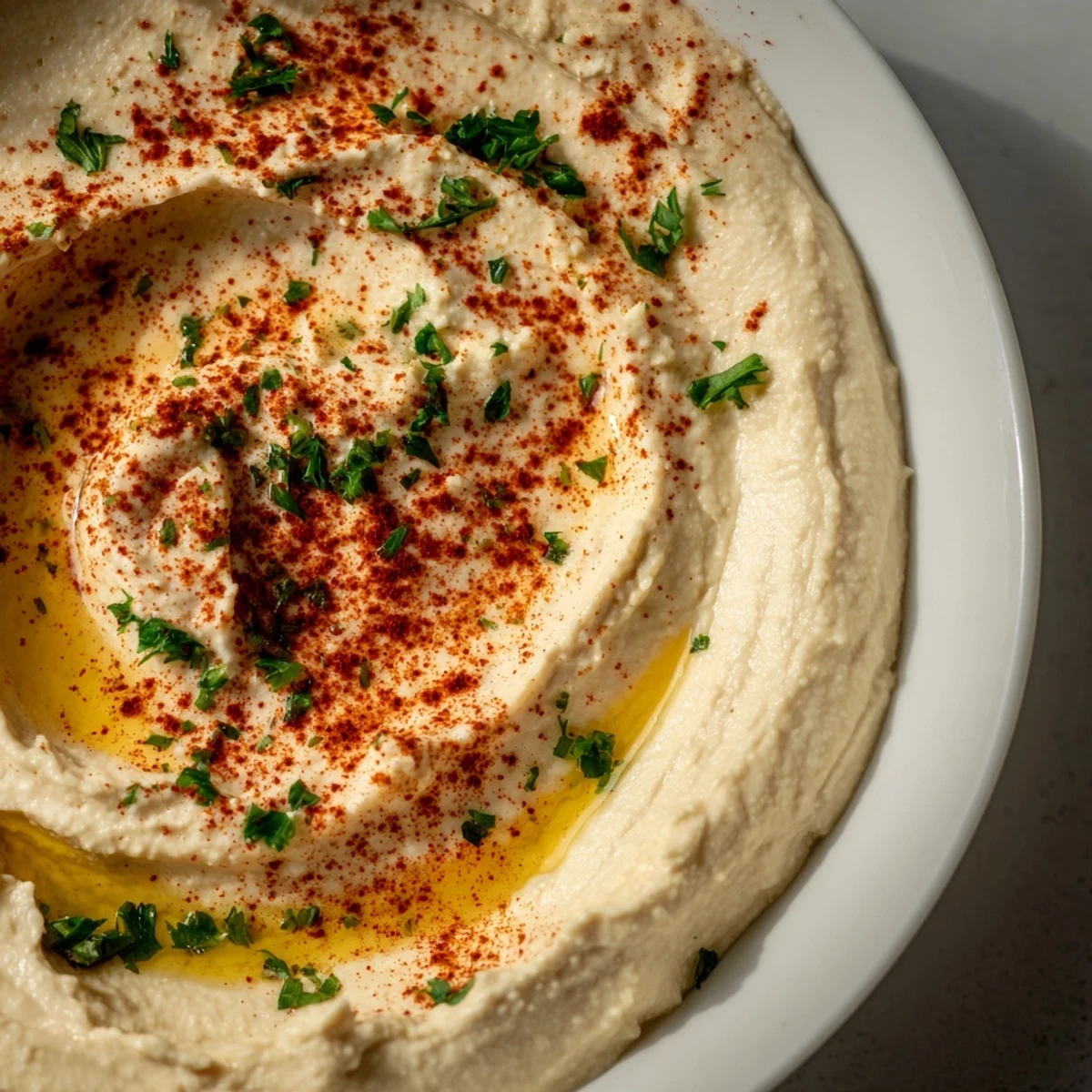
- Drizzle a thin stream of olive oil into those swirls, then dust generously with smoked paprika and a scatter of fresh parsley. The oil will catch the light and make the whole thing look intentional.
- Build the platter:
- Arrange your vegetables in natural sections around the hummus—group tomatoes together, create a line of snap peas, let the radishes form a little cluster. There's no wrong way, but giving things space makes it feel purposeful instead of chaotic.
- Finish and serve:
- Nestle the olives into the spaces between vegetables and position lemon wedges so people actually use them. Serve immediately while vegetables are crisp, or cover loosely and refrigerate—it only gets better as flavors settle.
 Save to Pinterest
 One evening, a friend who usually brought store-bought dips to gatherings watched me make this from scratch and asked why no one had taught her that hummus this good was possible at home. I realized that sometimes people don't know what they're missing because they've never seen it made with the kind of attention that a friend deserves.
The Magic of Simple Vegetables
Vegetables don't need dressing or cooking to shine—they just need to be fresh and cut with intention. The moment you bite into a crisp snap pea or a sweet cherry tomato that's been sitting on ice, you understand why this platter works. People eat vegetables differently when they're not hidden under dressing or cheese; they taste them.
Why This Works as a Gathering Dish
This platter lives in that perfect middle ground between fancy and casual—impressive enough for guests, easy enough that you're not stressed in the kitchen, and naturally social because everyone stands around it talking instead of sitting in formal silence. It's the kind of dish that brings out the best in conversations because no one has to wait for you to finish cooking.
Endless Variations to Keep It Fresh
The beauty of this platter is how it transforms with the seasons—spring brings fresh snap peas and radishes, summer asks for heirloom tomatoes and cucumber, and fall works with roasted beets and crispy fennel. You can also layer the hummus with roasted red pepper, add a drizzle of hot sauce, sprinkle toasted pine nuts across the top, or blend in white beans for an even creamier texture.
- Swap vegetables based on what's at the market and what looks alive—seasonal produce always tastes better than what's been sitting around.
- Toast pine nuts or drizzle with zaatar for extra depth and texture that makes people taste deeper.
- Serve with pita bread or gluten-free crackers if your crowd needs something to hold the dip—some people just eat the vegetables and call it lunch.
 Save to Pinterest
 This platter has become my answer to the question 'what should I bring?' because it's impossible to overcomplicate and it always disappears. Food like this reminds us that the most memorable meals aren't always the most complicated ones.
Recipe FAQs
- → How do I achieve a creamy hummus texture?
-
Blend chickpeas, tahini, olive oil, and lemon juice thoroughly, adding cold water gradually until smooth and creamy.
- → Can I substitute any veggies on the platter?
-
Yes, feel free to swap vegetables based on seasonality or personal taste while maintaining a crisp and colorful variety.
- → What are good garnishes to enhance flavor?
-
Try toasted pine nuts, zaatar, smoked paprika, fresh parsley, or Kalamata olives to add depth and texture.
- → Is this dish suitable for special diets?
-
Yes, it is vegan and gluten-free, but be mindful of sesame allergies due to the tahini in the hummus.
- → How should I serve and store the platter?
-
Serve immediately for best freshness or cover and refrigerate until ready, keeping vegetables crisp and hummus flavorful.