
 Save to Pinterest
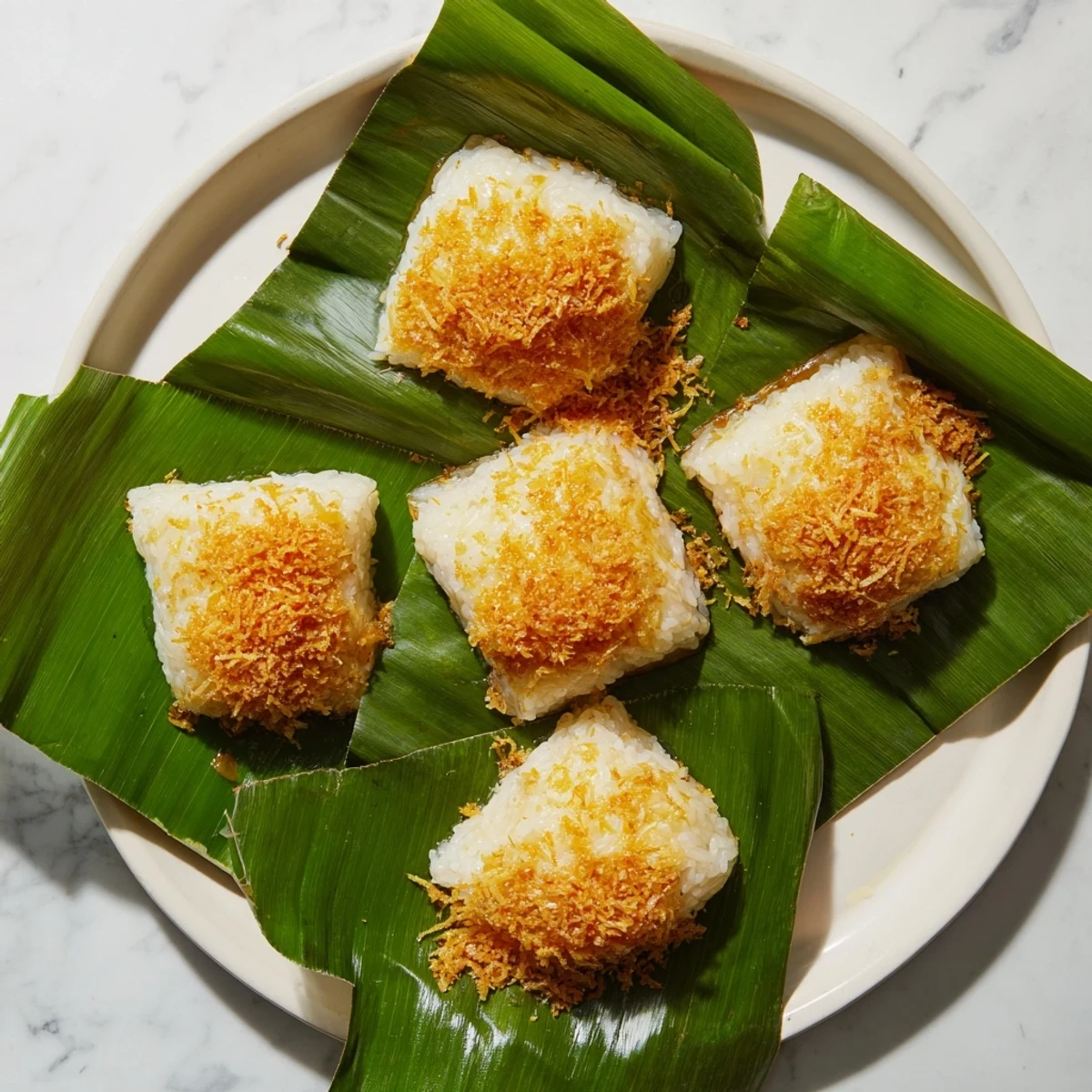
 Pulut Inti is a traditional Malaysian kuih featuring glutinous rice steamed with coconut milk until tender and sticky. The sweet coconut topping, called inti, is made by simmering freshly grated coconut with palm sugar until fragrant and caramelized. The two layers are typically assembled on banana leaf squares, folded into neat parcels that can be served at room temperature or slightly warm. This naturally gluten-free dessert balances the subtle sweetness of palm sugar with rich coconut creaminess, creating a beloved Southeast Asian treat.
The first time I saw Pulut Inti at a Malaysian night market, I watched an elderly grandmother deftly fold banana leaf packets with practiced hands, her stall smelling of warm coconut and palm sugar. I bought two and ate them while walking home in the humid evening air, the sticky rice clinging to my fingers, the sweet coconut melting on my tongue. That memory stuck with me for years until I finally learned to recreate it in my own kitchen, though my folding skills still need work.
Last Ramadan, I made a batch to share with my Malaysian neighbor who had been homesick for traditional kuih. She took one bite and tears welled up, telling me it tasted exactly like her grandmothers version. Sometimes food carries more than flavor; it carries memory and connection across generations and oceans.
Ingredients
- 1 cup glutinous rice, soaked overnight: This short-grain variety becomes irresistibly sticky and tender when steamed, creating the perfect base for the sweet topping
- 2/3 cup coconut milk: Adds richness and creaminess to the rice while infusing it with tropical flavor
- 1 cup fresh grated coconut: Fresh coconut makes a significant difference in texture and taste compared to frozen or dried
- 1/2 cup palm sugar: Gula Melaka has a deep caramel flavor that brown sugar cant quite replicate, though it works in a pinch
- 1 pandan leaf: This aromatic leaf imparts a subtle floral fragrance that defines Southeast Asian desserts
Instructions
- Prepare the glutinous rice:
- Drain the soaked rice thoroughly and place it in a heatproof bowl. Pour in the coconut milk, salt, and blue pea flower extract if you are using it. Mix everything together until the rice is evenly coated with the coconut milk mixture.
- Steam the rice:
- Place the bowl in a steamer over high heat and steam for 30 to 35 minutes. Stir the rice halfway through the cooking time to ensure it cooks evenly. The grains should be tender, translucent, and sticky when done.
- Make the coconut topping:
- Combine the palm sugar, water, and knotted pandan leaf in a saucepan over medium heat. Stir until the sugar completely dissolves, then remove the pandan leaf from the syrup.
- Cook the coconut mixture:
- Add the grated coconut and salt to the sugar syrup. Stir constantly over low heat for 5 to 8 minutes until the mixture is moist and well combined but not watery. Remove from heat and let it cool completely.
- Assemble the packets:
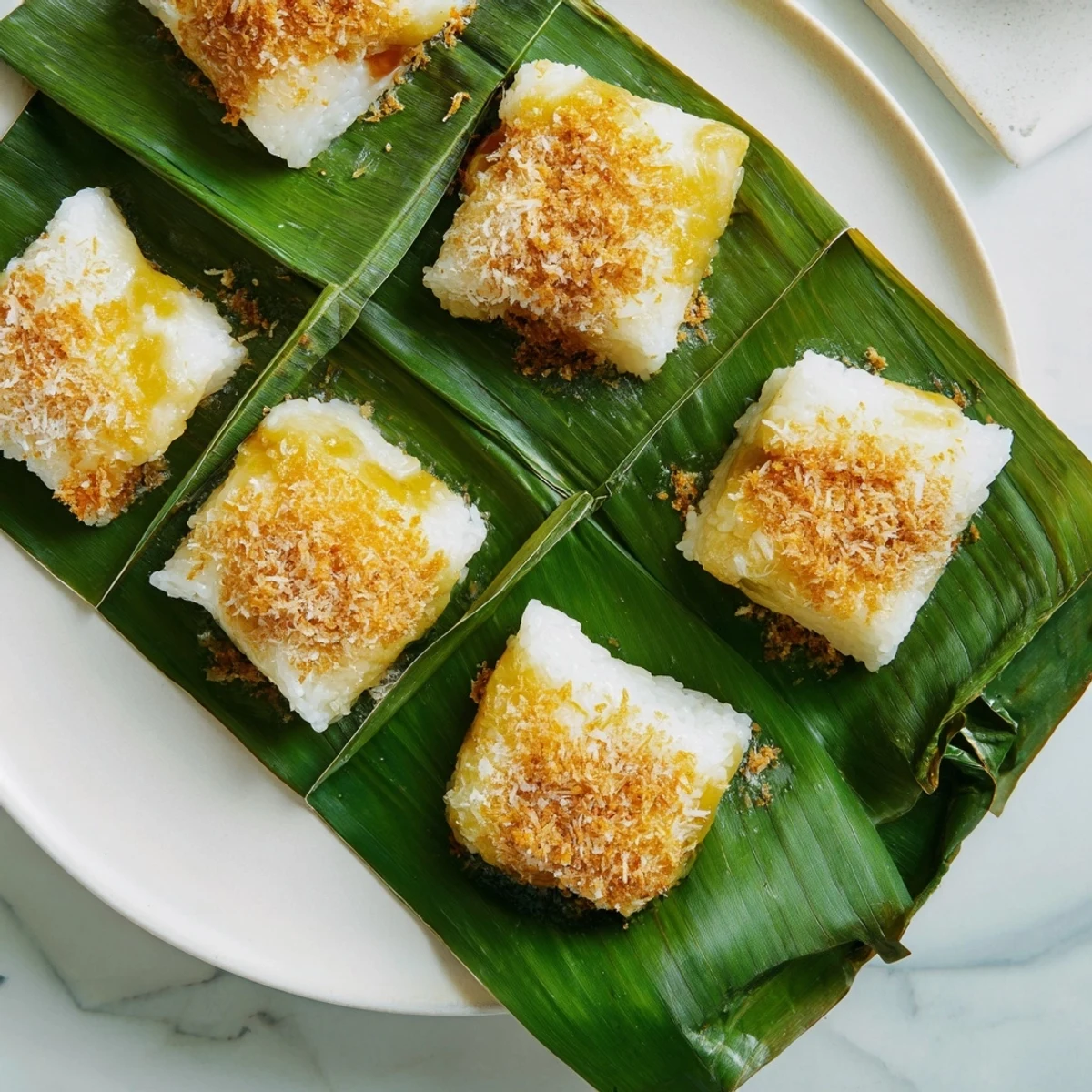
- Place about 2 tablespoons of steamed rice onto a softened banana leaf square and flatten it slightly. Top with a generous spoonful of the coconut mixture and fold the banana leaf to enclose the filling, leaving the top open.
 Save to Pinterest
 Ive started making these without the banana leaf wrapping when I am short on time, arranging the rice and coconut in small bowls instead. My children actually prefer this version because they can see the beautiful blue rice and golden coconut layers. Sometimes authenticity bows to convenience, and that is perfectly okay.
Getting The Rice Texture Right
The difference between perfectly chewy and mushy rice comes down to steaming time and not peeking too often. I have learned that lifting the lid too frequently releases steam and disrupts the cooking process. Trust the timer and let the steam work its magic undisturbed.
Understanding Gula Melaka
Palm sugar has a complex flavor profile that includes notes of caramel and toffee with a slight smokiness. If you cannot find it, dark brown sugar mixed with a touch of molasses makes a decent substitute. The color will be lighter, but the dish will still be delicious.
Serving And Storage
Pulut Inti tastes best at room temperature when the rice has softened slightly and the flavors have melded together. I like to make them a few hours before serving to give everything time to settle.
- Warm them slightly in the steamer if they have been refrigerated
- Serve with black coffee or Chinese tea for a traditional afternoon snack
- They make wonderful gifts packaged in small boxes lined with parchment paper
 Save to Pinterest
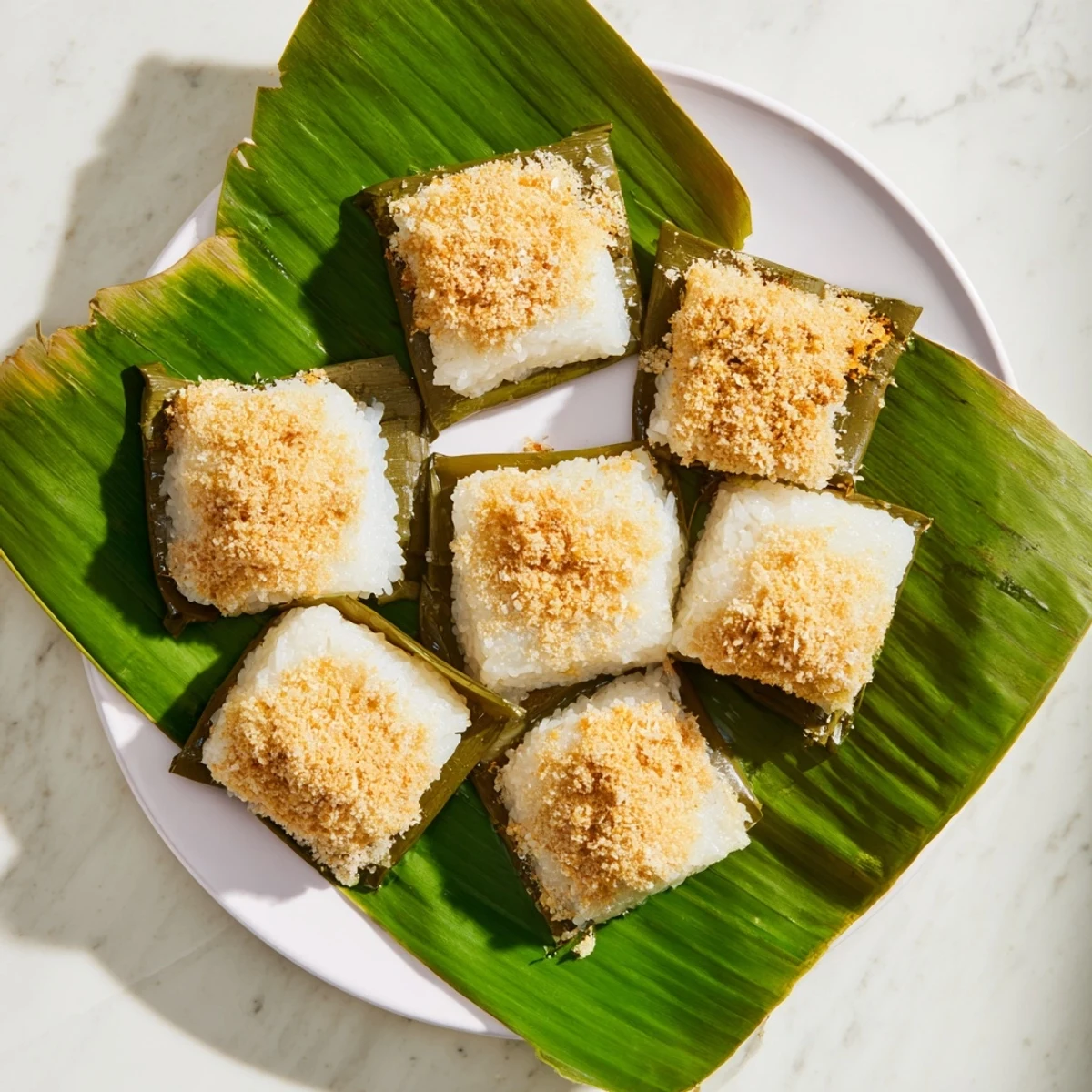
 These little packets of sweet coconut and sticky rice have become one of my favorite things to share with friends. There is something deeply satisfying about unwrapping them, like opening a small gift from the kitchen.
Recipe FAQs
- → What makes Pulut Inti authentic?
-
Authentic Pulut Inti uses freshly grated coconut rather than dried, palm sugar (gula Melaka) for its distinct caramel flavor, and banana leaf wrappers that impart subtle aroma to the glutinous rice while providing traditional presentation.
- → How long should glutinous rice be soaked?
-
Soak glutinous rice for at least 4 hours, though overnight soaking (8-12 hours) ensures even cooking and the perfect tender-sticky texture essential for this traditional dessert.
- → Can I make Pulut Inti without banana leaves?
-
Yes, serve portions on small plates or wrap in parchment paper. While banana leaves add authentic aroma and presentation, the flavors remain delicious with these alternatives.
- → What's the best substitute for palm sugar?
-
Dark brown sugar or coconut sugar work as substitutes, though palm sugar's distinct caramel-like depth of flavor will be missing. Adjust quantity slightly as these alternatives may be sweeter.
- → How should I store Pulut Inti?
-
Keep in an airtight container at room temperature for one day. For longer storage, refrigerate up to 3 days and re-steam briefly before serving to restore the rice's soft texture.
- → Why is my coconut topping too watery?
-
Continue stirring over low heat until excess moisture evaporates. The mixture should be moist and clump together, not runny. Using freshly squeezed coconut milk rather than canned helps achieve the right consistency.