
 Save to Pinterest
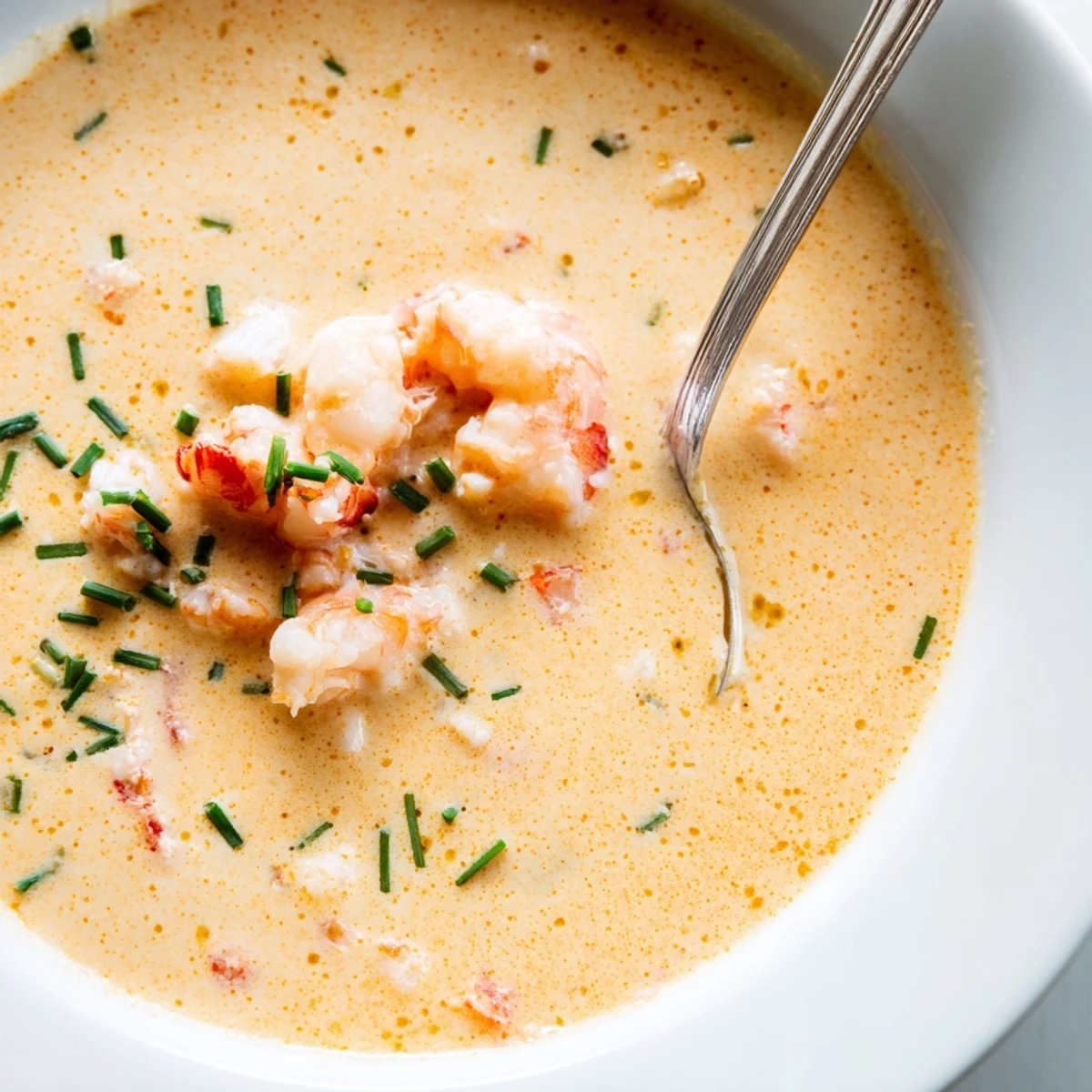
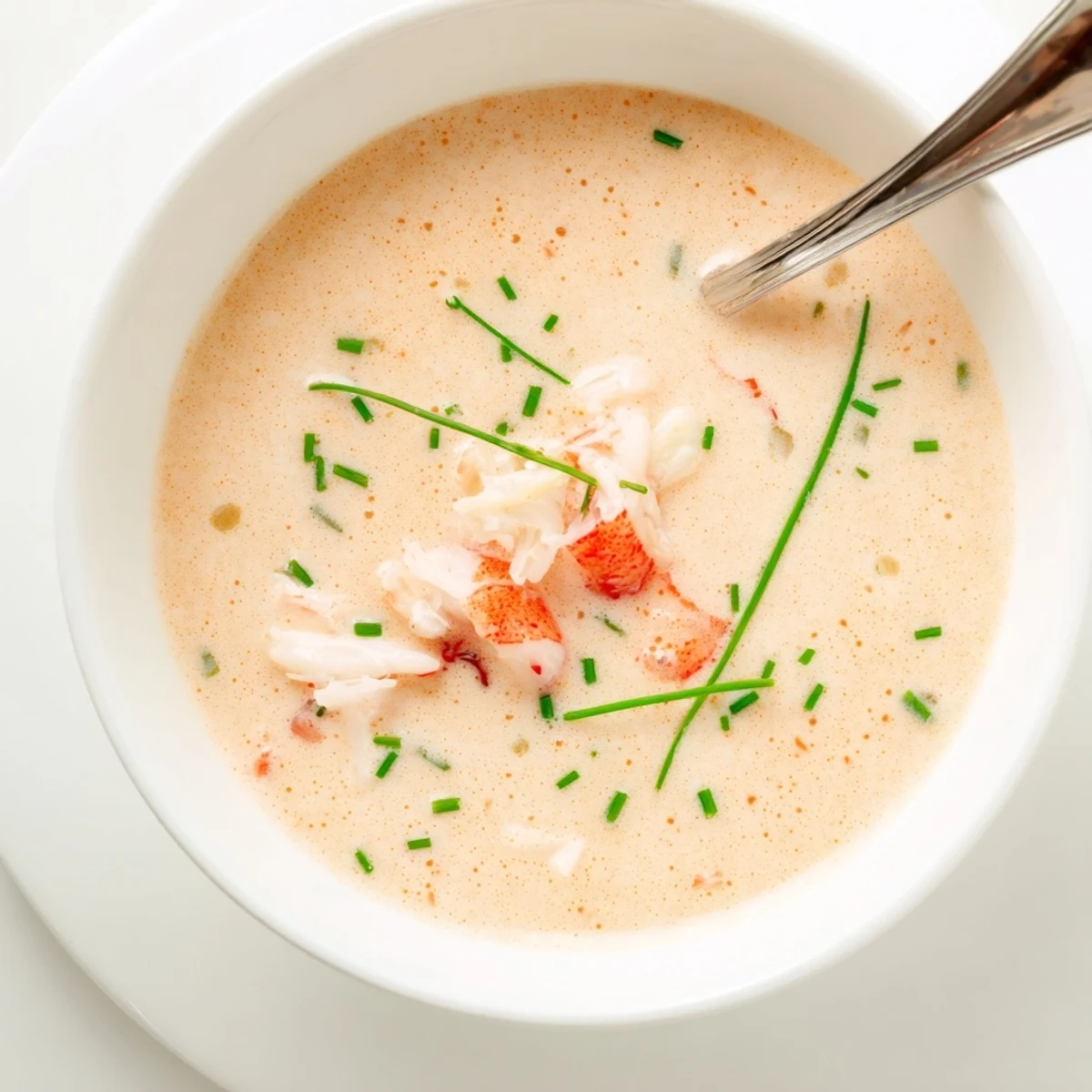
 This elegant French-inspired soup combines sweet lump crab meat and tender shrimp in a velvety, cream-enriched broth. The base begins with a classic mirepoix of onion, celery, and carrot, sautéed in butter and olive oil until softened. Aromatic garlic, tomato paste, paprika, cayenne, and fresh thyme build layers of flavor, while white wine and seafood stock create depth.
After simmering, the vegetables are puréed until smooth, then enriched with heavy cream. The shrimp are added first, cooking just until pink and perfectly tender, followed by delicate crab meat that gently heats through. Finished with fresh chives or parsley and served with lemon wedges, this indulgent bisque delivers restaurant-quality elegance in under 70 minutes.
The restaurant was quiet that rainy Tuesday afternoon, just me and a cook reading a paperback near the prep station. I watched him make bisque, the way he stirred cream into the pot like he was folding silk. When he handed me a tasting spoon, the world outside those windows simply disappeared. Now every time I smell shellfish simmering with cream, I'm back in that quiet kitchen, learning how patience turns simple ingredients into something extraordinary.
My sister got married in October, and I volunteered to cook the rehearsal dinner. The bride requested seafood bisque, never mentioning that I'd be making it for forty people while my ancient blender threatened to quit every third batch. Her new husband still talks about that soup, and I still remember the way the kitchen smelled like butter and white wine at midnight.
Ingredients
- Lump crab meat (250g): The sweet, delicate meat needs no introduction, but picking it carefully for shells saves your guests from crunchy surprises
- Medium shrimp (250g): Fresh shrimp should smell slightly sweet, never ammoniacal, and cutting them into bite sized pieces ensures even distribution
- Unsalted butter (2 tbsp): Butter provides the rich base foundation, and using unsalted lets you control the seasoning precisely
- Olive oil (2 tbsp): The oil prevents butter from burning while you sauté the aromatics, a small trick that keeps flavors clean
- Medium onion: Finely chopped onion dissolves into the base, contributing sweetness without visible texture
- Celery stalks (2): These provide essential aromatic backbone, contributing savory depth that balances the cream
- Medium carrot: The carrot adds natural sweetness and beautiful coral color to the finished bisque
- Garlic cloves (2): Minced garlic blooms in hot fat, releasing its oils and perfuming the entire base
- Dry white wine (120ml): Any drinkable dry white works here, and it adds acidity that cuts through the rich cream
- Seafood or fish stock (1L): Homemade stock is ideal, but a good quality store bought version works perfectly
- Heavy cream (250ml): The cream creates that luxurious velvety texture, and bringing it to room temperature prevents curdling
- Tomato paste (2 tbsp): This adds subtle depth and beautiful color without making the bisque taste like tomato soup
- Bay leaf: The bay leaf infuses gentle herbal notes while the soup simmers, then gets discarded before serving
- Paprika (1 tsp): Sweet paprika adds warm, rounded flavor without overwhelming the delicate seafood
- Cayenne pepper (½ tsp): Just enough heat to make things interesting, awakening the palate without dominating
- Fresh thyme leaves (1 tsp): Thyme's earthy brightness pairs perfectly with shellfish, bridging the gap between land and sea
- Salt and pepper: Season throughout the process, tasting frequently, because the flavor profile shifts dramatically with each addition
- Fresh chives or parsley (2 tbsp): The finishing herbs add bright contrast and make the bisque look as good as it tastes
- Lemon wedges: A squeeze of fresh lemon right before eating wakes up all the flavors and adds beautiful brightness
Instructions
- Build the aromatic foundation:
- In a large saucepan or Dutch oven, heat butter and olive oil over medium heat until the foam subsides, then add onion, celery, and carrot, sautéing for 6 to 8 minutes until softened and translucent but not browned, creating the sweet base that will support all other flavors.
- Bloom the garlic and spices:
- Add minced garlic and cook for just 1 minute until fragrant, then stir in tomato paste, paprika, cayenne, and thyme, cooking for another 1 to 2 minutes to toast the spices and deepen their flavors.
- Deglaze with wine:
- Pour in white wine while scraping up any browned bits from the bottom of the pan, then let it simmer for 2 minutes to reduce slightly and concentrate its acidity.
- Create the base soup:
- Add seafood stock and bay leaf, bring to a gentle boil, then reduce heat and simmer uncovered for 20 minutes, letting the vegetables completely soften and the flavors meld together.
- Achieve silkiness through puréeing:
- Remove and discard the bay leaf, then use an immersion blender directly in the pot, or carefully transfer to a standard blender in batches, puréeing until completely smooth and velvety.
- Enrich with cream:
- Return the bisque to the pot if you used a standard blender, stir in heavy cream, and bring to a gentle simmer, being careful not to boil vigorously.
- Add the shellfish:
- Add chopped shrimp and cook for 3 to 4 minutes until pink and just cooked through, then gently fold in the crab meat and heat through for 2 minutes, being careful not to break up the lumps.
- Season and serve:
- Taste and adjust with salt and pepper as needed, then ladle into warmed bowls and garnish with fresh chives or parsley, serving lemon wedges alongside.
 Save to Pinterest
 Last winter, during that week when everything froze solid, my neighbor across the hall brought me a container of her father's famous gumbo. We ate it standing up in my kitchen while she told me about learning to cook shrimp at her grandmother's dockside restaurant, the way the whole building filled with steam and laughter every Friday night. That's what good seafood soup does, it pulls people in close and makes them stay awhile.
The Art of Proper Stock
I started making my own seafood stock after a chef told me that restaurant bisque tastes better because they never skip this foundation. Simmering shrimp shells, fish heads, and aromatics for an hour produces a liquid gold that transforms soup into something memorable. Even a quick thirty minute stock with whatever shells you have will elevate your bisque beyond anything store bought can achieve.
Mastering the Purée
The difference between chunky seafood soup and elegant bisque comes down to this crucial step. An immersion blender works perfectly for most home cooks, letting you purée directly in the pot without transferring hot liquid. If you use a standard blender, work in small batches and remove the center cap from the lid, covering the opening with a kitchen towel to let steam escape safely.
Timing Your Seafood
Adding shellfish to bisque requires careful attention, as overcooked seafood becomes rubbery and disappointing. The shrimp need only three or four minutes in hot liquid, while crab meat should barely be heated through. I learned this the hard way, serving once tough shrimp to dinner guests who politely finished every bite while I pretended it was intentional.
- Keep your seafood cold in the refrigerator until the exact moment you're ready to add it
- Cut shrimp into uniform pieces so they cook at the same rate
- Reserve a few perfect shrimp or crab lumps for garnish on top of each bowl
 Save to Pinterest
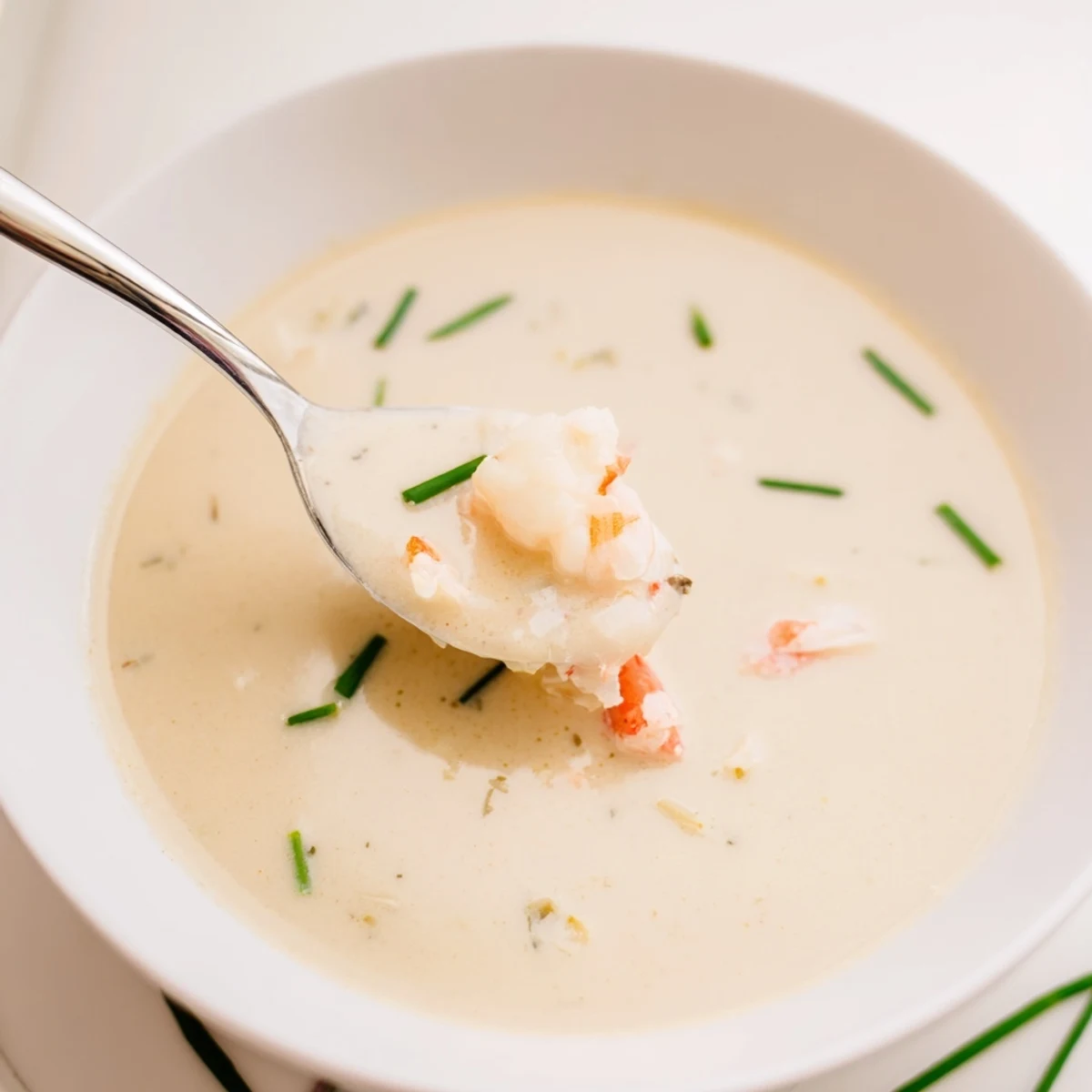
 Good bisque deserves to be served in shallow bowls with plenty of surface area for garnish, alongside warm crusty bread and good butter. The first time you serve this to someone special, watch their face when they take that first spoonful.
Recipe FAQs
- → What makes a bisque different from regular soup?
-
A bisque is a smooth, creamy soup traditionally made with shellfish. The key difference is that the vegetables are puréed and the broth is enriched with cream, creating an exceptionally velvety texture. This version combines both crab and shrimp for layered seafood flavor.
- → Can I make this bisque ahead of time?
-
Yes, you can prepare the base up to step 6 (after adding cream) up to 2 days in advance. Store it in the refrigerator and reheat gently before adding the shrimp and crab. This prevents the seafood from becoming overcooked and rubbery.
- → What's the best way to achieve the smoothest texture?
-
Use an immersion blender directly in the pot for the smoothest results with less mess. If using a standard blender, purée in batches and be careful with hot liquids—remove the center cap of the blender lid and cover with a kitchen towel to allow steam to escape.
- → Can I substitute the shellfish?
-
While crab and shrimp create the classic combination, you can substitute lobster for crab or use only shrimp. For a different approach, try using a mix of mussels or clams. Adjust cooking times as needed—larger shellfish pieces may require slightly longer simmering.
- → How do I prevent the cream from curdling?
-
Add the heavy cream after puréeing and reduce heat to a gentle simmer—never boil once cream is added. Stir constantly while incorporating cream and keep the temperature low to maintain the smooth, velvety consistency that makes this bisque so luxurious.
- → What should I serve with seafood bisque?
-
Crusty bread, garlic crostini, or warm baguette slices are perfect for soaking up every drop. A simple green salad with citrus vinaigrette complements the richness. For an elegant starter, serve in small cups as an appetizer before a main course.