 Save to Pinterest
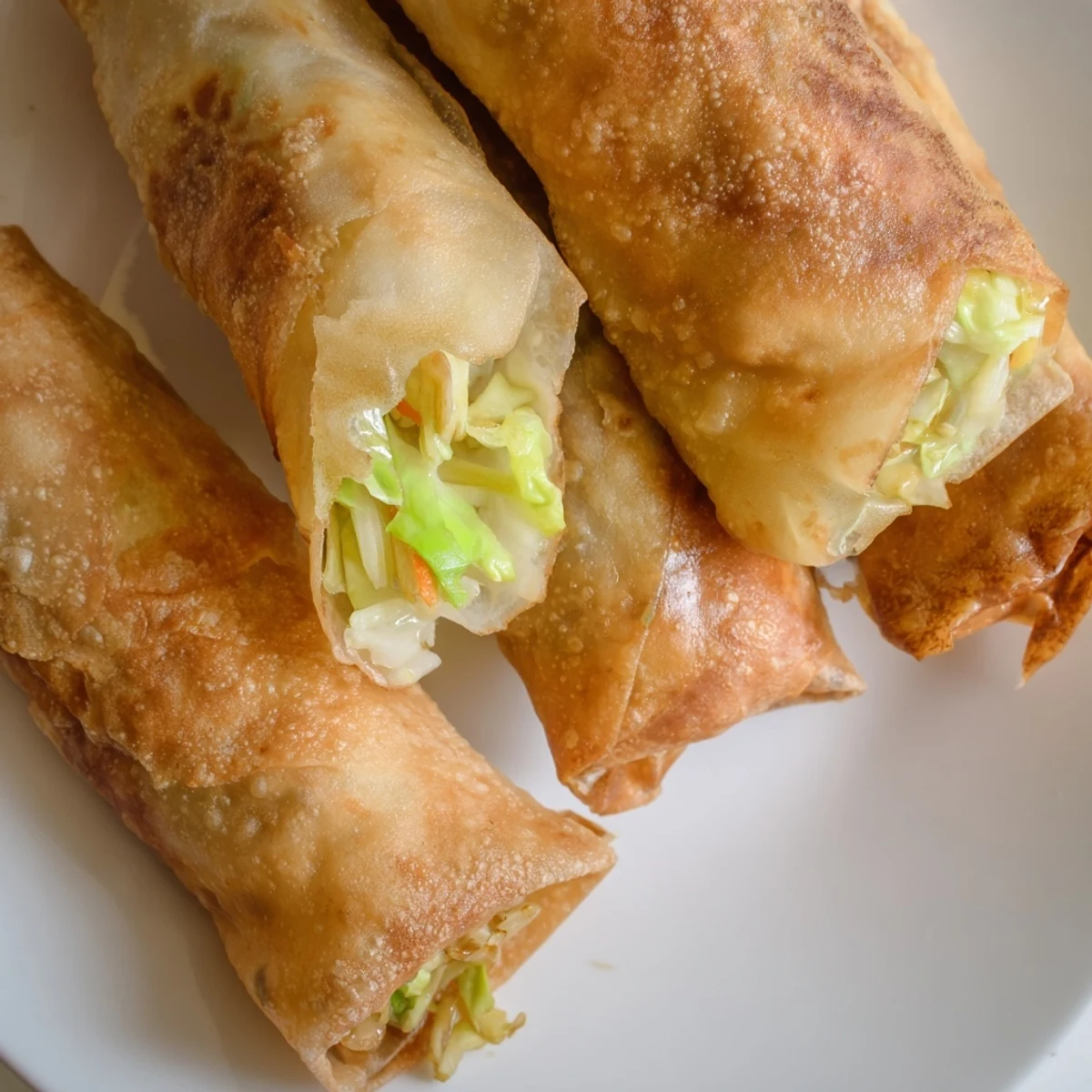
 These crispy spring rolls feature a savory vegetable filling with cabbage, carrots, mushrooms, and bean sprouts. The mixture is seasoned with garlic, ginger, soy sauce, and sesame oil for authentic Asian flavors. Each roll is wrapped tightly and fried until golden, creating a satisfying crunch on the outside with tender, flavorful vegetables inside. Optional protein like shrimp or ground meat can be added for extra substance.
Preparation involves quick stir-frying the filling to maintain vegetable texture, then rolling and sealing with cornstarch slurry. The rolls can be deep-fried for traditional crispiness or baked for a lighter version. Serve with sweet chili sauce or soy sauce for dipping.
The first time I attempted spring rolls at home, my kitchen counter looked like a paper factory explosion. Wrappers everywhere, filling leaking out, and that distinct moment of panic when you wonder if takeout was invented for people like me. But something about that first imperfect batch, golden and blistered from the hot oil, made me understand why people bother making these from scratch.
I made these for a friend's dinner party last winter, watching snow pile up outside while we stood around the stove, taking turns frying and eating them straight from the paper towels. Something about the ritual—dipping, rolling, frying, then standing around sharing food while the next batch sputters in the oil—turns cooking into a gathering rather than a chore.
Ingredients
- Shredded green cabbage: Creates a satisfying crunch that stays toothsome even after cooking
- Julienned carrots: Add sweetness and color, cut them thin so they soften just right
- Bean sprouts: These provide fresh snap and moisture to balance the richer elements
- Shiitake mushrooms: Earthy depth that makes vegetarian versions feel substantial
- Scallions: Mild onion flavor that bridges the gap between fresh and cooked
- Garlic and ginger: The aromatic foundation that makes the filling taste alive and bright
- Soy sauce: Essential salt and umami, don't skip this even if you're sensitive to sodium
- Sesame oil: Just a teaspoon adds that unmistakable warm, nutty perfume
- Oyster sauce: Creates richness and body, but vegetarian versions work perfectly too
- White pepper: Gentler heat than black pepper with a subtle floral quality
- Spring roll wrappers: Keep them covered with a damp towel while working or they'll crack and frustrate you
- Cornstarch slurry: The secret to seals that actually stay closed during frying
- Vegetable oil: Neutral flavor with a high smoke point, essential for that golden finish
- Cooked shrimp or ground meat: Optional, but transforms these into something more substantial if you want
Instructions
- Prep your filling:
- Cut everything uniformly so pieces cook at the same rate, and have your cornstarch slurry ready before you start rolling
- Wake up the aromatics:
- Heat that teaspoon of oil until shimmering, then toss in garlic and ginger, stirring constantly for just 30 seconds until your kitchen smells incredible
- Cook the vegetables:
- Add the harder vegetables first and stir-fry just until they soften—you want them cooked through but still retaining some crunch
- Season the filling:
- Pour in the sauces and pepper, tossing everything to coat, then cook for another minute so flavors meld
- Cool it completely:
- This step is crucial—hot filling will make wrappers soggy and tear, so spread it on a baking sheet and let it come to room temperature
- Master the roll:
- Place filling near the bottom corner, fold it over, tuck in the sides like you're wrapping a present, then roll tightly and seal with cornstarch slurry
- Heat the oil:
- Use a thermometer if you have one—350°F is the sweet spot where rolls cook through without burning before the inside is hot
- Fry in batches:
- Crowding the pan drops the oil temperature dramatically, so give each roll some room to swim and turn golden
- Drain and serve:
- Let them rest briefly on paper towels so excess oil absorbs, then get them to the table while they're still audibly crispy
 Save to Pinterest
 These became my go-to contribution to potlucks after I showed up with a batch and watched them disappear in under five minutes. There's something universally appealing about hot, crispy food you can eat with your hands, and now I can't imagine a gathering without them.
Getting That Perfect Crunch
Oil temperature matters more than almost anything else. Too cold and the rolls absorb grease, turning heavy and sad. Too hot and they burn before the filling heats through. I've ruined enough batches to learn that patience with the thermometer pays off in perfect, shattering crunch.
Rolling Technique That Actually Works
Think tight but not strangling. The filling should feel snug inside its wrapper, but if you pull too hard, the wrapper will tear. I've found that rolling away from myself rather than toward gives me more control and a tighter final result.
Make-Ahead Magic
Here's where this recipe becomes a weeknight superhero. You can roll all 16, freeze them on a baking sheet, then transfer to bags once they're solid. Fry straight from frozen, just adding a minute or two to the cooking time. Last-minute appetizers without the last-minute panic.
- Freeze rolled spring rolls in a single layer first so they don't stick together
- Fry frozen rolls at a slightly lower temperature to ensure the center heats through
- Never refrigerate uncooked rolled spring rolls—the wrappers get weird and gummy
 Save to Pinterest
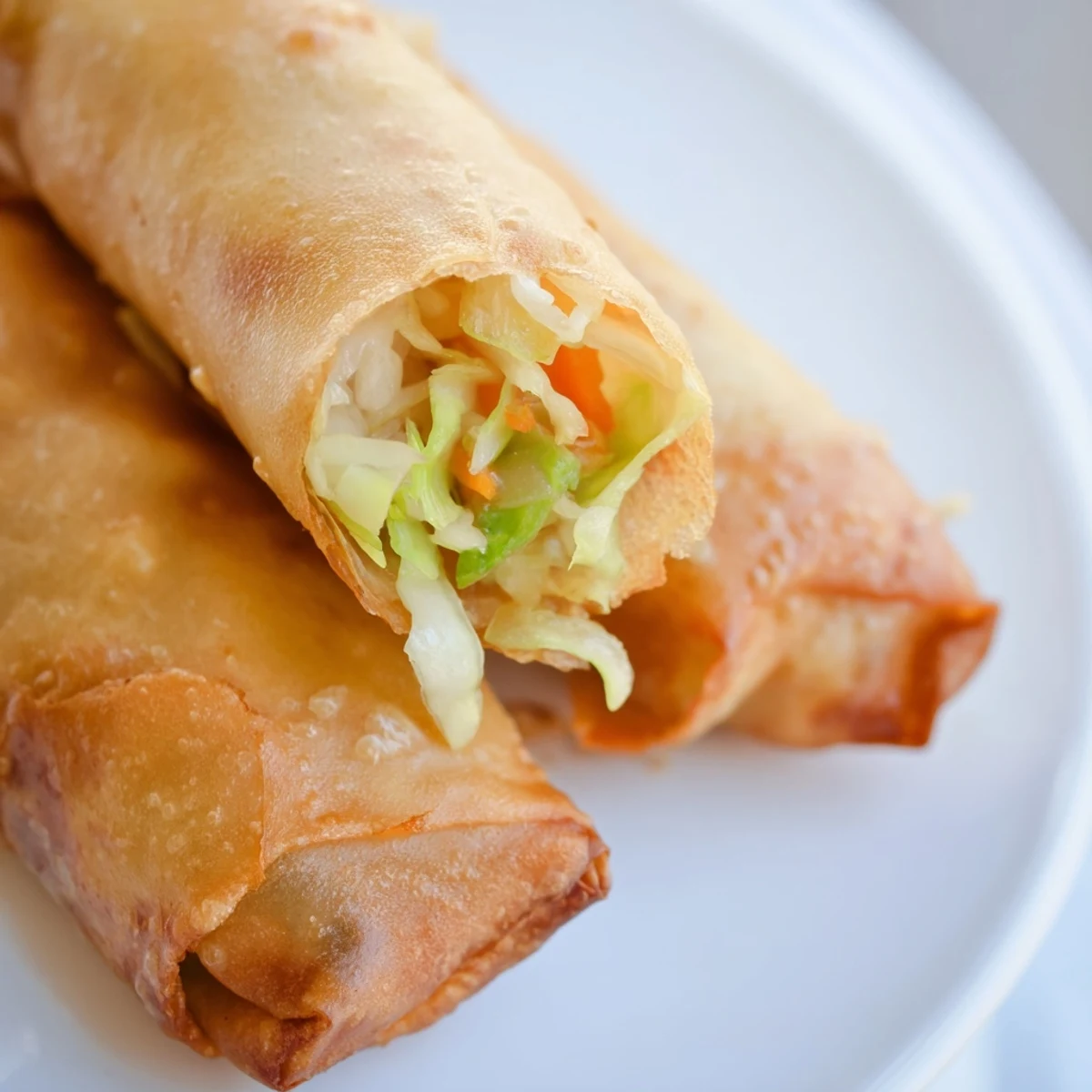
 There's genuine satisfaction in pulling a batch from the oil, golden and blistered, knowing you made every component yourself. These spring rolls have become one of those recipes I can make without even thinking, the kind that turns an ordinary Tuesday into something worth celebrating.
Recipe FAQs
- → How do I prevent spring rolls from getting soggy?
-
Cool the filling completely before wrapping to prevent moisture buildup. Fry at the correct temperature (350°F/175°C) and don't overcrowd the pan. Drain on paper towels immediately after frying to remove excess oil.
- → Can I make these ahead of time?
-
Yes, you can assemble the rolls up to 24 hours ahead. Store them covered in the refrigerator with plastic wrap or parchment paper between layers to prevent sticking. Fry them just before serving for maximum crispiness.
- → What's the best way to seal spring rolls?
-
Mix cornstarch with water to create a thick paste. Apply this slurry along the final edge of the wrapper before completing the roll. The cornstarch acts as a strong adhesive when heated during frying, preventing the rolls from opening.
- → How do I achieve the crispiest results?
-
Maintain oil temperature at 350°F (175°C) throughout frying. Too hot causes burning; too cool makes them greasy. Fry in batches and don't overcrowd the pan. For extra crunch, double-fry: once to cook through, then again at higher heat to crisp the exterior.
- → Can I bake these instead of frying?
-
Absolutely. Brush assembled rolls lightly with oil and bake at 400°F (200°C) for 20-25 minutes, turning once halfway through. The texture will be slightly less crispy than fried, but still delicious and with less oil.
- → What other vegetables can I use?
-
Feel free to customize with bell peppers, water chestnuts, bamboo shoots, or baby corn. Leafy greens like spinach or bok choy work too—just cook them longer to remove excess moisture before wrapping.