
 Save to Pinterest
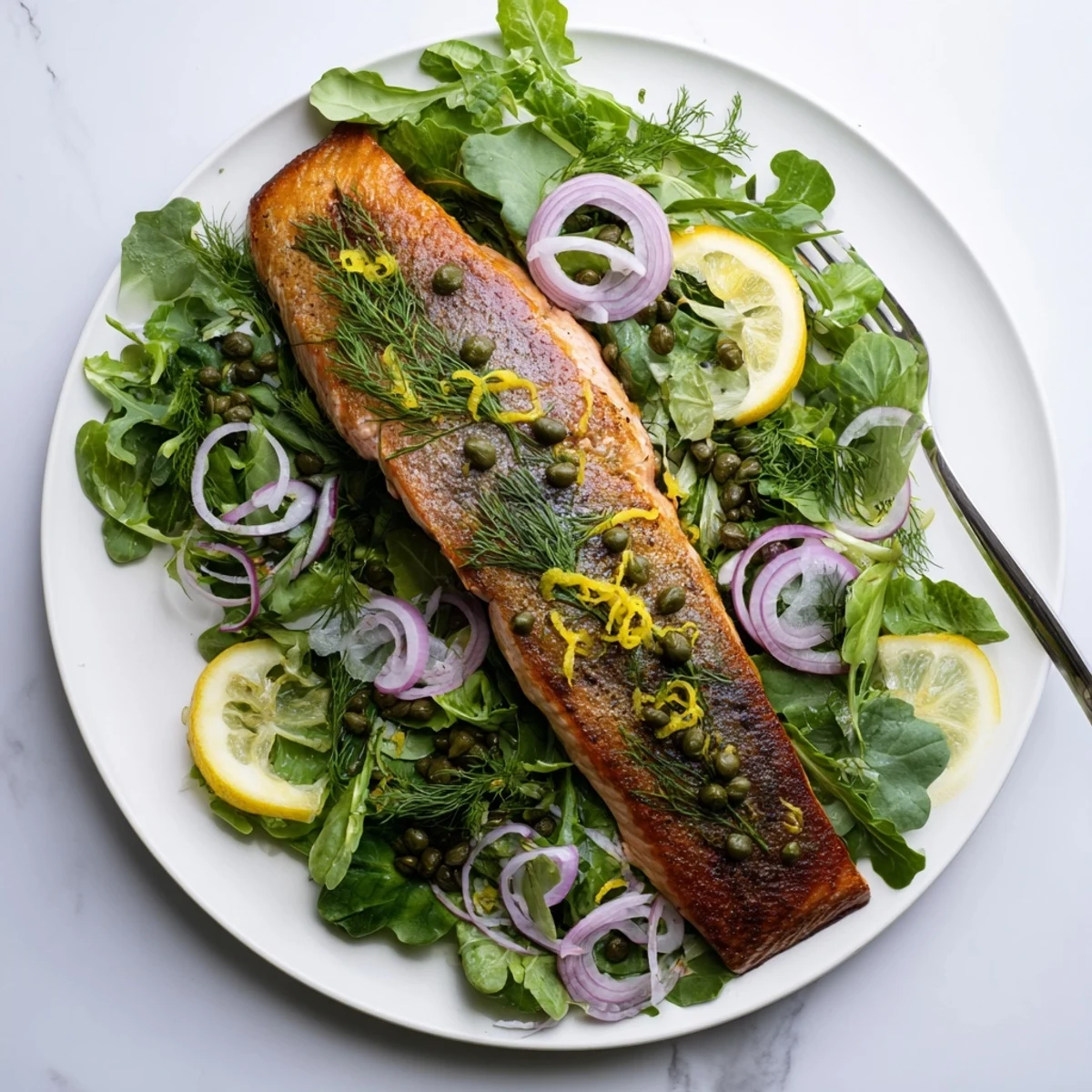
 Create restaurant-quality Tasmanian Atlantic salmon with beautifully crispy skin in just 20 minutes. The technique involves scoring the skin, starting with a cold pan, and pressing gently to prevent curling. The result is perfectly cooked fish with irresistibly crisp, golden skin that contrasts beautifully with the tender, flaky flesh.
Pair this elegant main with a vibrant herb salad featuring baby greens, capers, and fresh dill for a complete Modern Australian dish that's naturally gluten-free and packed with omega-3s.
The first time I saw someone properly crisp fish skin, I watched in fascination as they pressed the fillet into the pan with absolute confidence. That golden crackle against the silence of a focused kitchen taught me that patience with heat pays off.
I made this on a Tuesday evening when I needed something that felt special but didn't require hours of standing over the stove. The way the salmon sizzled reminded me that good food doesn't need complicated techniques, just attention to the right details.
Ingredients
- 2 x 180 g Tasmanian Atlantic salmon fillets, skin on: Quality salmon with firm, bright flesh makes all the difference
- 1 tbsp olive oil: Just enough to help the skin make contact and crisp evenly
- Sea salt: Use a coarse flake salt for better texture and seasoning control
- Freshly ground black pepper: Grind it right before cooking for the most aromatic punch
- 2 cups mixed baby greens: Peppery arugula and tender spinach create the perfect fresh bite against rich fish
- 1/2 small red onion, thinly sliced: Adds a sharp bite that brightens the whole plate
- 1/4 cup fresh dill, roughly chopped: Dill and salmon are a classic partnership for good reason
- 1/4 cup flat-leaf parsley, roughly chopped: Brings grassy freshness that balances the oil
- 1 tbsp capers, rinsed and drained: Little bursts of brine that wake up your palate
- Zest of 1 lemon: Essential oils from the zest give more flavor than juice alone
- 2 tbsp extra-virgin olive oil: Use something fruity and peppery for the salad dressing
- Juice of 1/2 lemon: Fresh acidity ties everything together
Instructions
- Prep the salmon for success:
- Pat the salmon fillets completely dry with paper towels, then score the skin lightly with a sharp knife in two or three places to prevent curling. Season both sides generously with sea salt and black pepper, letting it sit while you heat the pan.
- Get the pan properly hot:
- Heat 1 tbsp olive oil in a nonstick skillet over medium-high heat until it shimmers slightly. You want the oil hot enough that the salmon sizzles immediately on contact.
- Crisp the skin with confidence:
- Place the salmon fillets skin-side down in the hot pan and press gently with a spatula for the first 30 seconds. This keeps the skin flat against the heat for even crisping, so don't be shy about applying gentle pressure.
- Let the skin develop its crunch:
- Cook skin-side down for 4 to 5 minutes, resisting the urge to peek or move the fish. The skin should turn golden and audibly crisp, while the flesh turns mostly opaque up the sides.
- Finish with a quick flip:
- Flip the fillets carefully and cook for just 1 to 2 more minutes until barely cooked through. The center should look slightly translucent, then remove from heat and let rest while you make the salad.
- Build the bright herby salad:
- In a large bowl, combine the greens, red onion, dill, parsley, capers, and lemon zest. Drizzle with the olive oil and lemon juice, season with salt and pepper, then toss gently until everything glistens.
- Plate it up while hot:
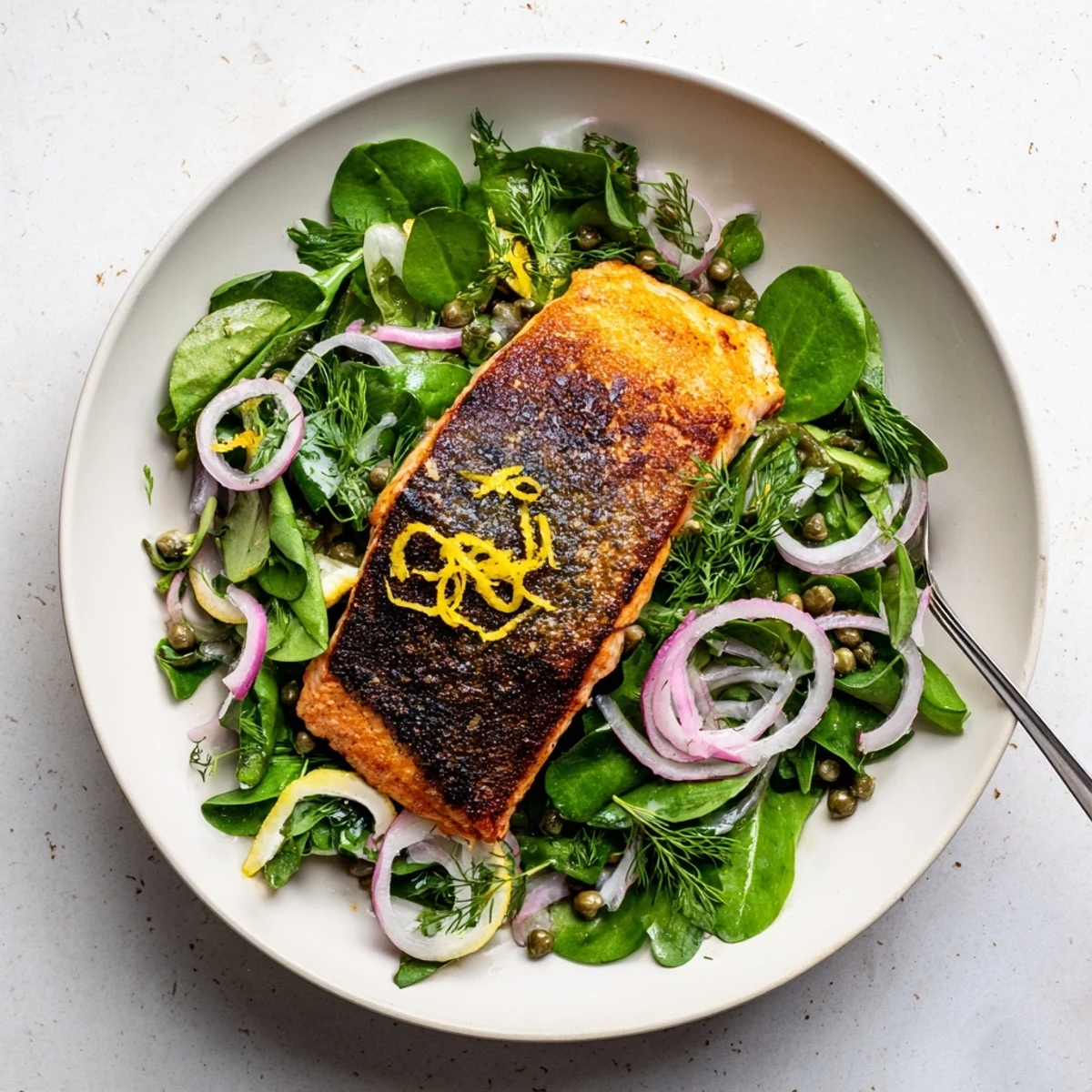
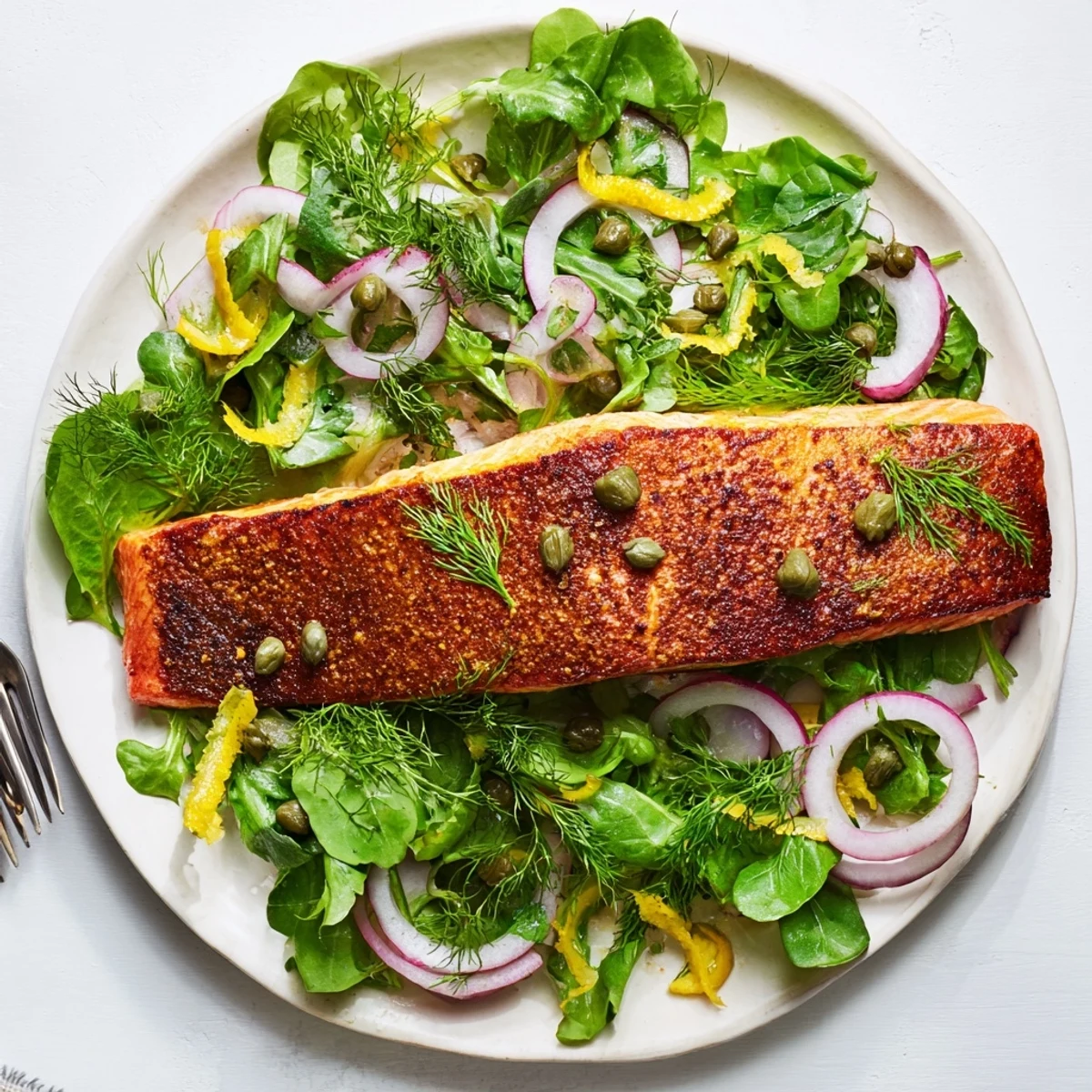
- Arrange the salad on plates and top with the crispy skin salmon fillets, skin-side up so everyone can see that golden crackle. Serve immediately while the skin is still shattering-crisp.
 Save to Pinterest
 This recipe became my go-to for dinner parties because it looks impressive but comes together in minutes. Guests always assume it took far more effort than it actually did.
Choosing the Best Salmon
Look for salmon that smells clean like the ocean, never fishy. The flesh should be firm and bounce back when pressed gently. Tasmanian Atlantic salmon tends to have a beautiful deep coral color and rich flavor that stands up well to high-heat cooking.
Timing Your Salmon
Salmon keeps cooking after it leaves the pan, so pulling it when the center looks slightly translucent is crucial. Resting for even two minutes helps the juices redistribute and prevents that disappointing dry, flaky texture.
Make It Your Own
The salad template is endlessly adaptable based on what's fresh or what you have on hand. Different herbs, citrus, or even thinly sliced radishes can work beautifully.
- Swap the dill and parsley for tarragon, basil, or chives depending on the season
- Add a handful of thinly sliced radishes for extra crunch and peppery bite
- Finish the plated dish with flaky sea salt for restaurant-style presentation
 Save to Pinterest
 Crispy skin salmon is one of those simple pleasures that makes any weeknight feel special. Good ingredients and attention to heat are all you really need.
Recipe FAQs
- → How do I get crispy skin on salmon?
-
Pat the fillets thoroughly dry with paper towels before cooking. Score the skin lightly, heat oil in a cold pan, then place salmon skin-side down. Press gently for 30 seconds to prevent curling and cook undisturbed for 4-5 minutes until crisp.
- → What's the best way to tell when salmon is done?
-
The flesh should turn mostly opaque and flake easily with a fork. For medium-rare, the center should remain slightly translucent. Use a thermometer to check internal temperature reaches 125°F to 130°F for medium-rare.
- → Can I use frozen salmon fillets?
-
Yes, thaw completely in the refrigerator overnight before cooking. Pat thoroughly dry to remove excess moisture, which is crucial for achieving crispy skin.
- → What wine pairs well with crispy skin salmon?
-
A crisp Sauvignon Blanc complements the rich, oily salmon beautifully while echoing the citrus notes in the herb salad. Other excellent options include Pinot Grigio or a dry Riesling.
- → Can I substitute the herbs in the salad?
-
Absolutely. While dill and parsley provide classic flavors, tarragon, chives, basil, or fresh mint work wonderfully. Adjust quantities to taste and pair with complementary dressings.
- → Why does my salmon skin curl during cooking?
-
Curling occurs when the skin contracts upon hitting heat. Prevent this by pressing gently with a spatula for the first 30 seconds of cooking and ensuring your fillets are at room temperature before cooking.