
 Save to Pinterest
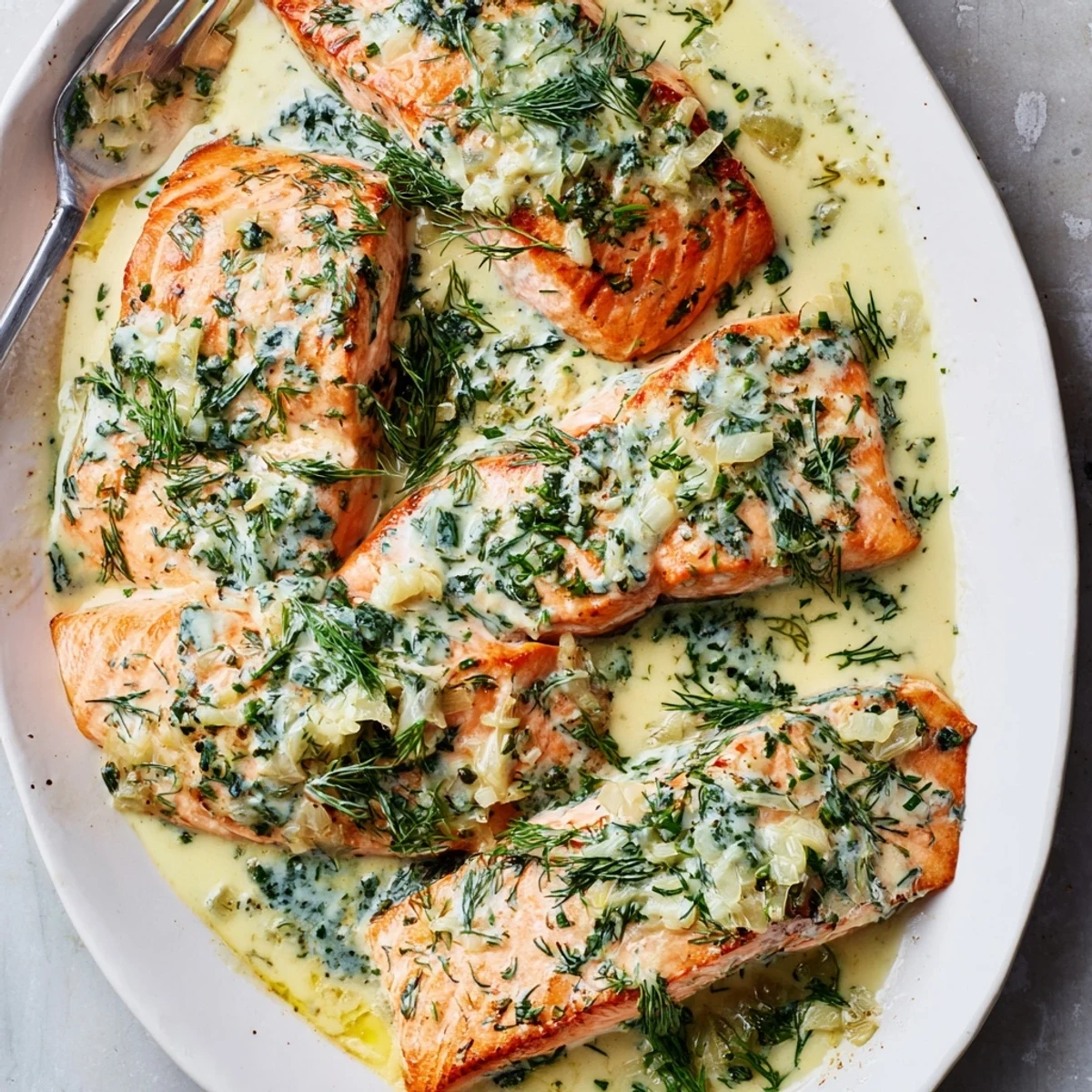
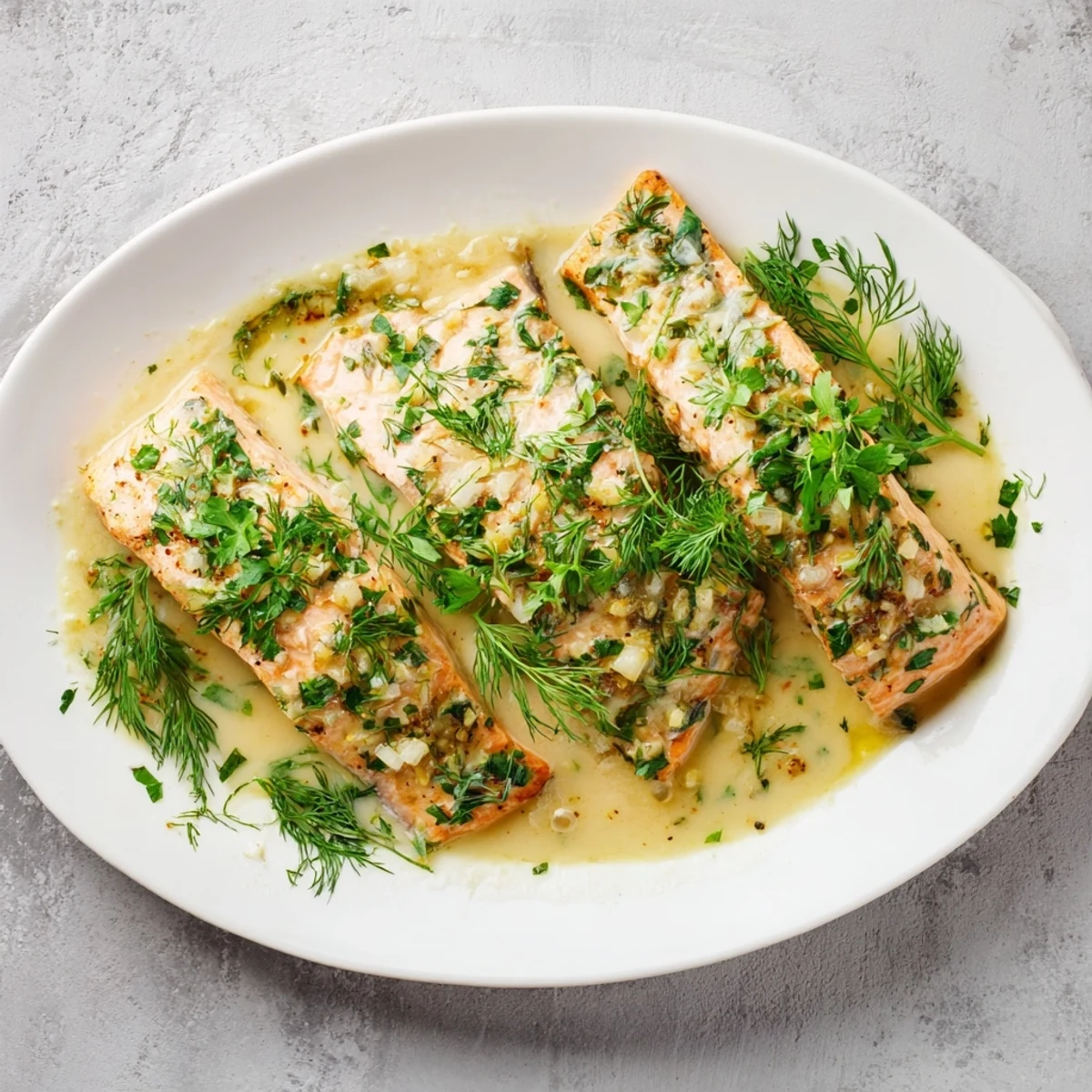
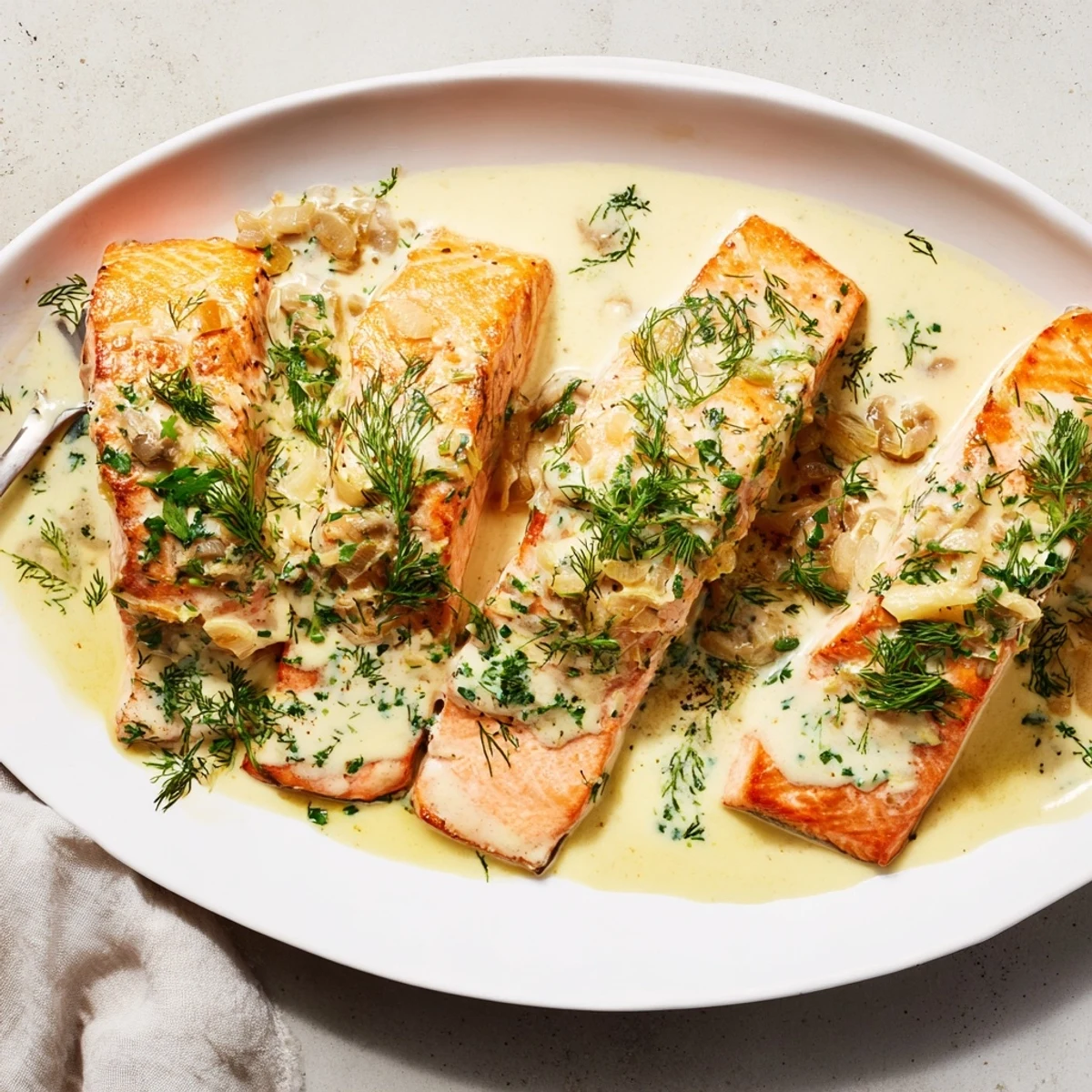
 Experience restaurant-quality salmon at home with this elegant yet straightforward preparation. Fresh fillets develop a beautiful golden crust from pan-searing, then swim in a velvety sauce built from aromatic garlic, shallots, white wine, and heavy cream. The result is incredibly tender fish coated in a luxurious, herb-flecked glaze that tastes like you spent hours in the kitchen. Perfect for date nights, dinner parties, or upgrading your weeknight rotation.
The buttery aroma that filled my tiny apartment kitchen when I first attempted this salmon made my roommate wander in with wide eyes. I was nervous about cooking fish without drying it out, but that first bite of silky salmon bathed in creamy garlic sauce changed everything. Now it is the dish I make when I want something that feels fancy but comes together on a Tuesday.
Last Valentine's Day I made this for my partner, and we ended up eating straight from the pan while standing at the stove because we could not wait another second. The sauce gets its magic from reducing white wine before adding cream, creating layers of flavor that taste like they took hours to develop.
Ingredients
- Salmon fillets: Skin-on gives you crispy edges but skinless works perfectly too, just pat them dry for better searing
- Butter and olive oil: The combination prevents butter from burning while adding rich flavor to both fish and sauce
- Fresh garlic: Minced fine so it melts into the sauce without leaving harsh chunks
- Shallot: Adds subtle sweetness that balances the creaminess
- White wine: Dry white wine cuts through the richness, but chicken broth works beautifully as a non-alcoholic option
- Heavy cream: Creates that velvety restaurant-quality sauce that clings to every bite
- Parmesan cheese: Grated fine so it melts seamlessly into the sauce
- Fresh herbs: Parsley brings brightness while dill adds an earthy note that pairs perfectly with salmon
- Lemon juice: Just enough to brighten all those rich flavors
Instructions
- Prep the salmon:
- Pat those fillets completely dry with paper towels, then season both sides generously with salt and pepper
- Sear the salmon:
- Heat olive oil and one tablespoon butter in a large skillet over medium-high heat until shimmering, then add salmon skin-side down and let it sizzle undisturbed for 4 minutes until golden
- Flip and finish:
- Carefully turn the fish and cook 2 to 3 minutes more until just cooked through, then transfer to a plate and cover loosely with foil
- Build the base:
- Reduce heat to medium, add remaining butter to the same skillet, then cook garlic and shallot for 1 to 2 minutes until fragrant but not browned
- Deglaze and reduce:
- Pour in white wine and scrape up any browned bits from the bottom, letting it bubble for 2 minutes until slightly reduced
- Create the sauce:
- Stir in heavy cream and Parmesan, simmering for 2 to 3 minutes while stirring until the sauce thickens enough to coat a spoon
- Add brightness:
- Stir in lemon juice, parsley, and dill, then taste and adjust seasoning with more salt and pepper if needed
- Bring it together:
- Return salmon to the skillet, spooning that gorgeous sauce over the top, and simmer gently for 1 to 2 minutes just to reheat everything
 Save to Pinterest
 This recipe became my go-to for dinner parties because everyone assumes I spent all day cooking. My mother-in-law still asks for it every time she visits.
Choosing the Right Salmon
Look for fillets that are bright pink with firm flesh and no dark spots. Wild salmon has a more intense flavor but farm-raised stays moister, making it forgiving for this recipe. Either way, check for pin bones by running your fingers against the grain and pull any out with tweezers before cooking.
Wine Pairing Secrets
A crisp Sauvignon Blanc cuts through the cream while echoing the citrus notes in the sauce. If you prefer red, go for something light like Pinot Noir that will not overpower the delicate fish.
Serving Suggestions That Shine
Buttery mashed potatoes soak up every drop of that incredible sauce. Serve with steamed asparagus or roasted broccoli for a complete meal that feels elegant but is not fussy.
- Crusty bread for dipping is practically mandatory
- A simple arugula salad with lemon vinaigrette balances the richness
- Leftovers reheat beautifully over low heat, though the sauce may need a splash of cream
 Save to Pinterest
 Sometimes the simplest recipes become the ones we return to again and again, and this salmon has earned its permanent place in my weekly rotation.
Recipe FAQs
- → How do I know when the salmon is cooked through?
-
The salmon is done when it flakes easily with a fork and reaches an internal temperature of 145°F (63°C). The flesh should turn from translucent to opaque, and a slight pink center indicates perfectly moist fish. Avoid overcooking, as salmon continues to cook slightly after removing from heat.
- → Can I use frozen salmon fillets?
-
Yes, thaw frozen salmon overnight in the refrigerator before cooking. For faster thawing, seal the fillets in a waterproof bag and submerge in cold water for 30-60 minutes, changing the water every 15 minutes. Pat thoroughly dry before seasoning and cooking for optimal searing.
- → What can I substitute for white wine?
-
Chicken or vegetable broth works beautifully as a non-alcoholic alternative. For a different flavor profile, try seafood broth for deeper umami notes. The wine primarily adds acidity and depth, so the broth substitution maintains the sauce's luxurious consistency while keeping it family-friendly.
- → How do I prevent the cream sauce from curdling?
-
Keep the heat at medium or medium-low when adding the cream, and avoid bringing it to a rolling boil. Stir continuously as the sauce simmers. If using wine, let it reduce slightly before pouring in the cream. Room temperature cream incorporates more smoothly than cold straight from the refrigerator.
- → What sides pair well with this salmon?
-
Buttery mashed potatoes, steamed jasmine rice, or creamy risotto soak up the rich sauce beautifully. For lighter options, serve with roasted asparagus, sautéed spinach, or grilled zucchini. A crisp green salad with vinaigrette balances the richness, and crusty bread is perfect for savoring every drop of sauce.
- → Can I make this dairy-free?
-
Substitute full-fat coconut milk or cashew cream for heavy cream, and use vegan butter or olive oil. Nutritional yeast can replace Parmesan for savory depth. The texture will be slightly different but still delicious. Coconut milk adds subtle sweetness that complements the salmon beautifully.