
 Save to Pinterest
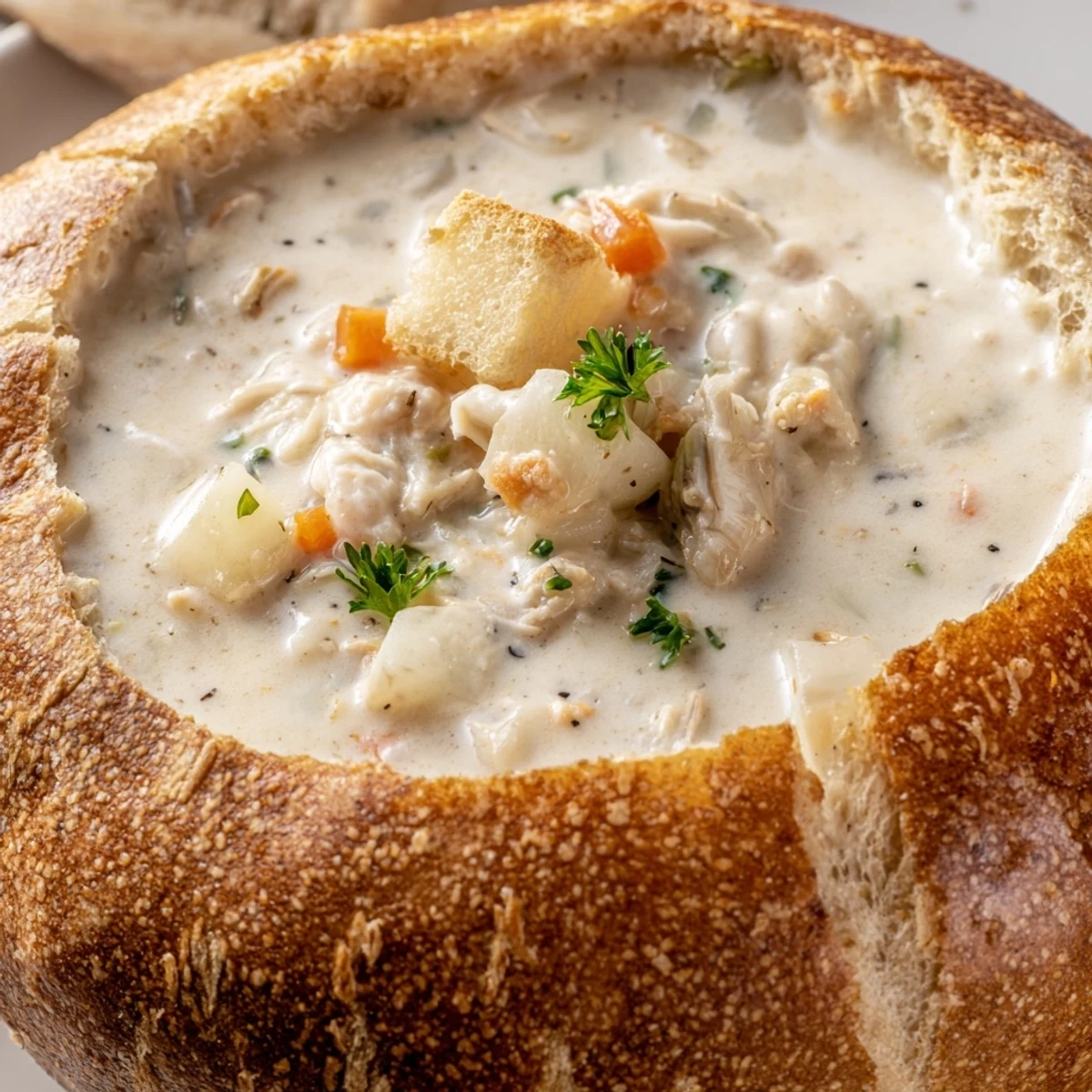
 This dish features a velvety blend of tender clams, diced potatoes, and aromatic vegetables simmered in rich cream and milk. Aromatic herbs and a slow roux create a smooth, comforting texture. Served inside a hollowed sourdough bread bowl, it offers warm, crusty bread to complement the creamy filling. The cooking process balances sautéing vegetables, making a roux, and gentle simmering ensuring rich, deep flavors without boiling. Perfect for a medium-difficulty, hearty main course with a seafood twist.
There's something about the first spoonful of clam chowder that stops time, especially when you're holding a bread bowl warm enough to steam your glasses. I discovered this particular version on a gray October afternoon when my neighbor appeared at my door with a thermos and a knowing smile, insisting I needed to taste what her sister had made at their Cape Cod getaway. One slurp changed everything about how I thought soup could be.
I made this for my book club once, and someone actually asked for seconds before finishing their first bowl. The moment that sticks with me is watching people tear off pieces of the sourdough and dunk them in the chowder like they'd forgotten their manners, completely lost in the comfort of it all. That's when I knew this recipe worked.
Ingredients
- Canned chopped clams (2 cups): Don't skip the good-quality ones, and always, always reserve that briny juice, it's liquid gold for depth.
- Russet potatoes (1 cup diced): They hold their shape during cooking and add the right starchy comfort without falling apart.
- Onion, celery, and carrots (1/2 cup each): This trio is the flavor foundation, so don't rush the chopping or the sautéing.
- Heavy cream and whole milk (1 cup each): Together they create that silky texture that makes every spoonful feel like a hug.
- Unsalted butter (3 tbsp): It's your roux base and your flavor anchor, so use real butter, not substitutes.
- All-purpose flour (3 tbsp): This thickens the broth without making it gluey when you whisk it in gently.
- Clam juice (1.5 cups reserved, plus bottled if needed): The briny backbone of the whole dish, worth seeking out quality bottles.
- Dried thyme and parsley (1/2 tsp each): These feel gentle against the richness, not overpowering, just a whisper of the ocean.
- Bay leaves (2): They perfume the pot beautifully and must be removed before serving.
- Salt and freshly ground black pepper: Taste as you go because the clams bring their own saltiness.
- Sourdough loaves (4 small rounds): Choose ones with thick, chewy crumbs that won't fall apart when you hollow them out.
Instructions
- Hollow out your bread bowls:
- Slice the top off each sourdough loaf like you're opening a treasure chest, then gently scoop out the insides with a fork or small spoon, leaving a sturdy 1/2-inch shell. The torn pieces make perfect dunkers later.
- Build the flavor base:
- Melt butter in a large pot over medium heat, then add your onion, celery, and carrots. Let them soften and become fragrant for about 5 minutes, stirring occasionally, until the kitchen smells like the beginning of something delicious.
- Make the roux:
- Sprinkle the flour over the vegetables and stir constantly for 2 minutes, coating everything evenly. This cooks out the raw flour taste and prepares it to thicken your broth smoothly.
- Add the broth and potatoes:
- Gradually whisk in the clam juice so it incorporates smoothly without lumping, then add your diced potatoes, bay leaves, thyme, and parsley. Bring to a simmer and let it cook 10 to 12 minutes until the potatoes are fork-tender but not falling apart.
- Finish with clams and cream:
- Lower the heat and stir in the clams, heavy cream, and milk very gently, letting everything warm through for 5 to 7 minutes without boiling, which would break the cream. Keep stirring so nothing settles and sticks.
- Taste and adjust:
- Remove the bay leaves, then season with salt and pepper, remembering that the clams already brought their own brininess to the party.
- Serve in warmth:
- Ladle the chowder into your prepared sourdough bowls and serve immediately while the bread is still warm and the soup is still steaming.
 Save to Pinterest
 What moved me most was my four-year-old niece asking if she could eat the bowl after finishing her chowder, which meant she was too busy enjoying herself to worry about manners. That's when I understood this dish isn't just about flavor or elegance, it's about creating a moment where people feel invited to be themselves at your table.
The Magic of Sourdough Bowls
The sourdough bowl isn't just a serving vessel, it's part of the dish itself. As it sits in the warm, creamy broth, the interior softens slightly while the exterior stays crisp and chewy, creating this textural contrast that plain bread can't give you. I've watched people forget they're eating edible dishware and just keep tearing and dunking until there's nothing left but memories and a satisfied smile.
Building Better Flavor
The key to making chowder that tastes like it took hours is patience with the vegetables and respect for the roux. When you let those onions, celery, and carrots really get to know the heat for those full 5 minutes, they release their sugars and create a sweet, aromatic base that cream alone could never build. The roux then becomes a bridge between that vegetable sweetness and the brine of the ocean, binding everything into something greater than its parts.
Serving and Storing This Comfort
This chowder tastes best served immediately, while the bread bowl is warm and the soup is still steaming gently. If you need to make it ahead, prepare the chowder without the cream and milk, let it cool, then refrigerate it for up to 2 days. Reheat gently over low heat, add the cream and milk, and warm through without boiling.
- You can substitute half-and-half for the heavy cream if you prefer something lighter, though you'll lose some of that luxurious richness.
- A dash of hot sauce or Worcestershire sauce at the table lets people adjust the flavor to their own taste.
- Crispy bacon bits or fresh chopped parsley scattered on top adds brightness and a little textural interest.
 Save to Pinterest
 Clam chowder in a sourdough bowl is proof that the simplest meals, made with care and served with intention, become the ones people remember. There's no pretension here, just warmth, richness, and the quiet joy of sharing something that tastes like home.
Recipe FAQs
- → What type of bread works best for this dish?
-
Small sourdough rounds are ideal for hollowing out and serving, as their crust holds the chowder well without getting soggy too quickly.
- → How can I ensure the chowder is creamy but not too thick?
-
Slowly whisking in clam juice and adjusting cream and milk quantities help achieve a smooth, creamy texture without over-thickening.
- → Can fresh clams be used instead of canned?
-
Fresh clams can be substituted but require steaming and chopping first. The clam juice from steaming acts as a flavorful base.
- → How long should the potatoes be cooked for optimal texture?
-
Simmer diced potatoes for about 10–12 minutes until just tender but still holding shape to avoid mushiness.
- → What herbs enhance the flavor of this chowder?
-
Dried thyme, parsley, and bay leaves add aromatic depth, balancing the creaminess and seafood notes.
- → Is it possible to prepare ahead and reheat?
-
Yes, prepare the chowder and bread bowls separately. Reheat gently to avoid curdling the cream before serving.