
 Save to Pinterest
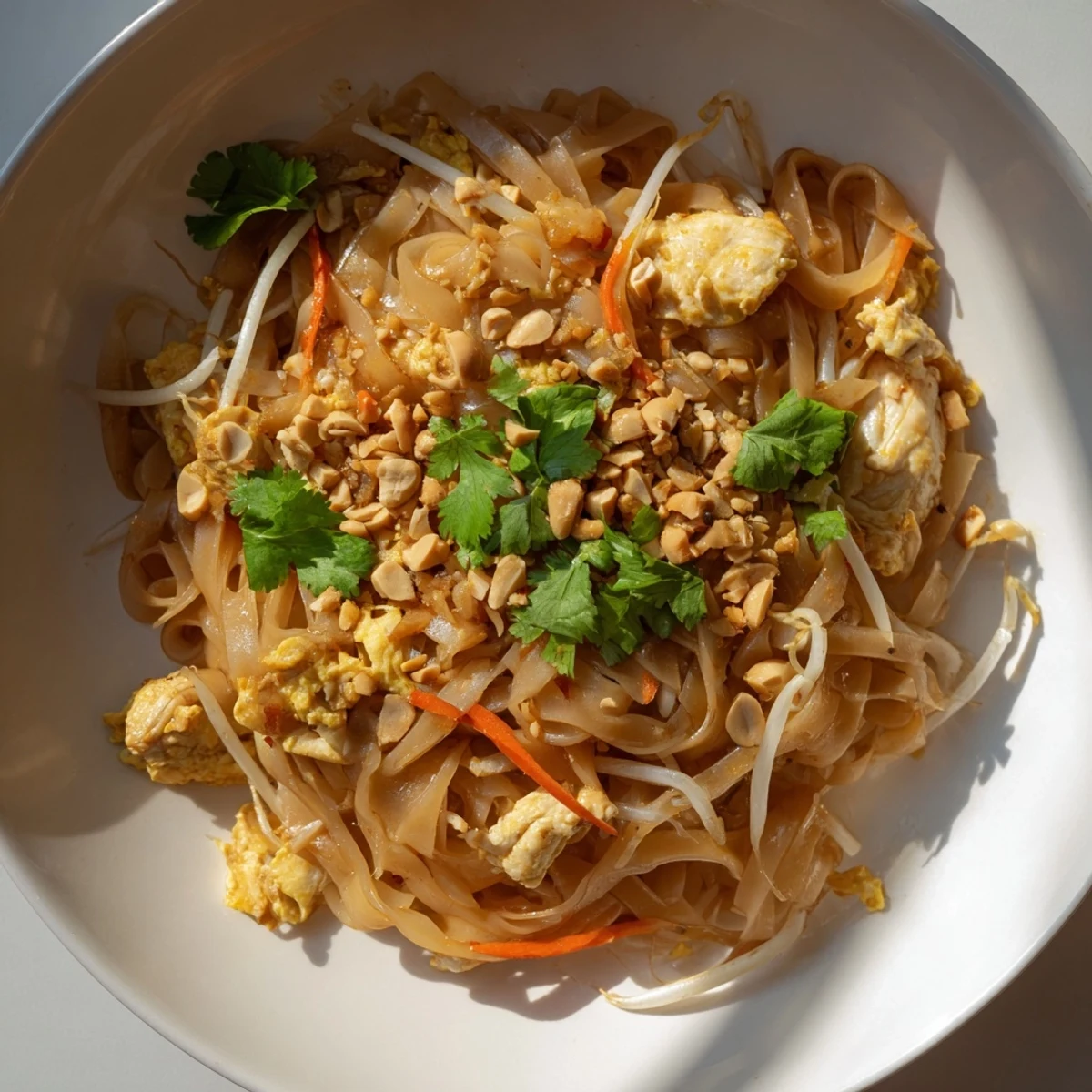
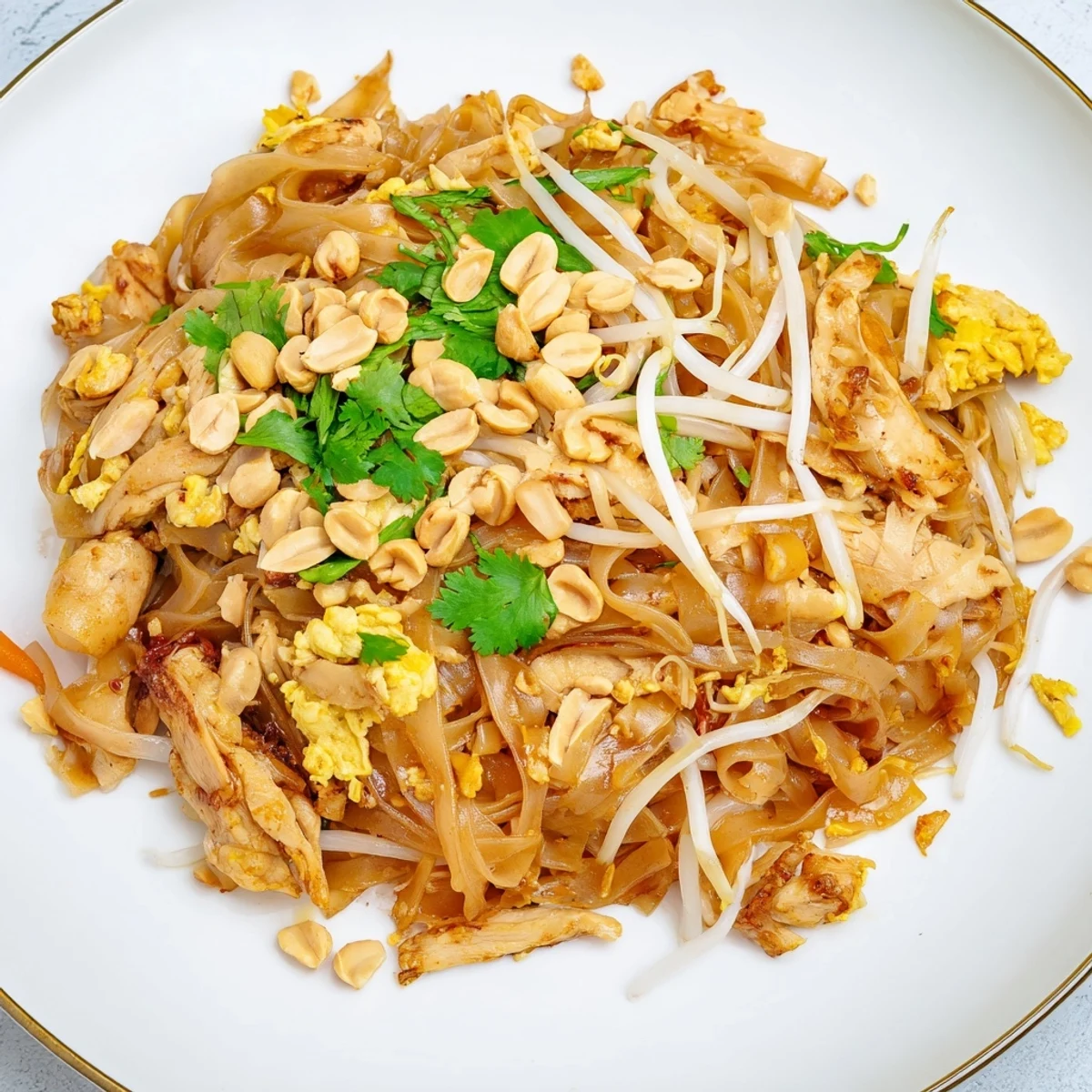
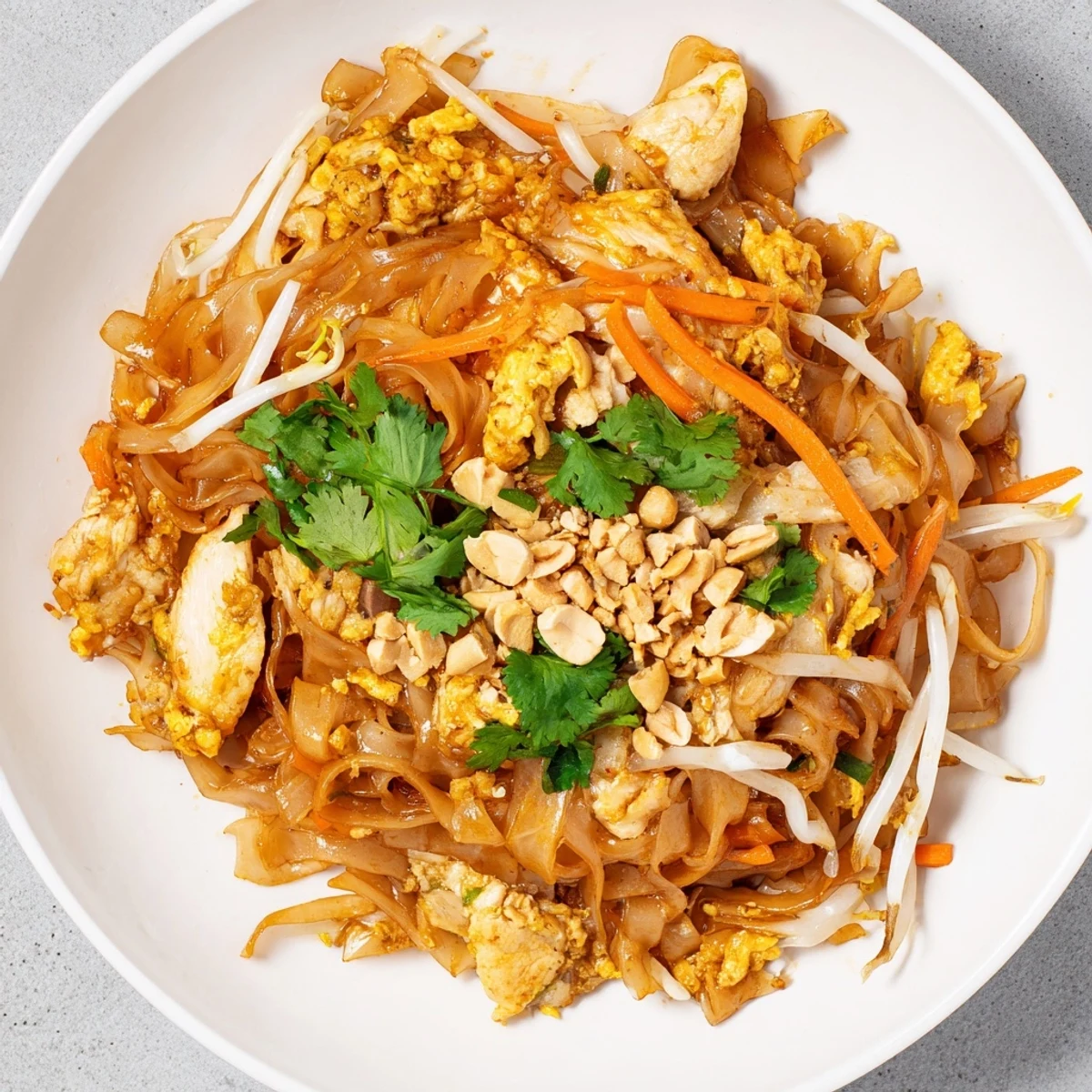
 This classic Thai stir-fry brings together tender chicken strips, chewy rice noodles, and a perfectly balanced tangy-sweet tamarind sauce. The dish comes together in just 40 minutes, making it ideal for weeknight dinners when you crave restaurant-quality flavors at home. The key lies in preparing the sauce beforehand and getting your wok smoking hot before adding ingredients.
Traditional garnishes like roasted crushed peanuts, fresh cilantro, zesty lime wedges, and optional chili flakes create layers of texture and bright flavors that contrast beautifully with the savory noodles. You can easily adapt this dish for vegetarians by swapping chicken for tofu and adjusting the seasonings.
The first time I attempted Pad Thai at home, I stood over my wok convinced I had somehow ruined everything. The noodles stuck together in one giant clump, and my sauce looked like a sad puddle at the bottom of the pan. But then I took that first bite, tangy and sweet with just the right amount of chew, and realized sometimes perfection looks messy. That dinner became a weekly tradition in my tiny apartment kitchen.
Last summer my friend Sarah came over for dinner after a particularly rough week at work. I set up all the little garnish bowls on the table and let her customize her own bowl with extra peanuts and a mountain of bean sprouts. She took one bite and actually stopped talking for a full minute, which is saying something for Sarah. We sat at my kitchen table for hours picking at the leftovers and laughing about absolutely nothing.
Ingredients
- 400 g boneless skinless chicken breast or thighs: Thighs stay juicier during high heat cooking but both work beautifully here
- 2 large eggs: Room temperature eggs scramble better and integrate into the noodles more evenly
- 250 g dried flat rice noodles: The ¼ inch width is traditional and holds up to stirring without breaking apart
- 3 tbsp fish sauce: This is the salt in your dish so adjust carefully based on your preference
- 2 tbsp tamarind paste: The soul of Pad Thai giving that distinctive tangy sweetness you cannot substitute
- 2 tbsp palm sugar or light brown sugar: Palm sugar has a more complex caramel flavor but brown sugar works perfectly
- 1 tbsp soy sauce: Adds depth and color while balancing the sharper tamarind notes
- 3 tbsp vegetable oil divided: You need separate amounts for cooking the chicken and building the sauce base
- 3 garlic cloves minced: Fresh garlic only please jar stuff never quite achieves the right aromatic punch
- 1 small shallot finely chopped: Shallots have a sweetness that onions lack essential for authentic flavor
- 100 g bean sprouts: Add these at the end so they stay crisp and fresh providing texture contrast
- 2 spring onions sliced: Separate the white and green parts because they go in at different times
- 1 small carrot julienned optional: Some traditionalists skip this but I love the extra color and subtle sweetness
- 60 g roasted unsalted peanuts roughly chopped: The crunch against soft noodles is non negotiable for me
- 1 lime cut into wedges: Never skip this fresh lime at the end brightens the entire dish
- Fresh cilantro leaves: Toss these on right before serving to preserve their delicate flavor
- Chili flakes optional: Let people add their own heat at the table so everyone stays happy
Instructions
- Prepare the noodles:
- Soak rice noodles in warm water for 20 to 30 minutes until pliable but not fully soft then drain well
- Mix the sauce:
- Whisk together fish sauce tamarind paste sugar and soy sauce until the sugar completely dissolves
- Cook the chicken:
- Heat 1½ tbsp oil in a large wok over medium high heat and stir fry chicken until just cooked through then set aside
- Build the aromatics:
- Add remaining oil to the wok then sauté garlic and shallot for 30 seconds until beautifully fragrant
- Scramble the eggs:
- Push aromatics to the side crack in eggs and scramble until just set but still creamy
- Combine everything:
- Add drained noodles and sauce then toss vigorously to coat every strand evenly
- Finish together:
- Return chicken to the wok with bean sprouts spring onion whites and carrot and stir fry until noodles are tender
- Garnish and serve:
- Remove from heat immediately then top with peanuts spring onion greens cilantro lime wedges and chili flakes
 Save to Pinterest
 My now husband was so nervous the first time he cooked Pad Thai for me that he triple checked every ingredient measurement. The noodles were slightly overdone but he had nailed the sauce balance perfectly. I still tease him about that meal but honestly it was one of the most thoughtful dinners anyone has ever made for me.
Getting The Sauce Balance Right
The magic of Pad Thai lives in that sweet sour salty dance between tamarind sugar and fish sauce. I always taste my sauce mixture before cooking because every brand of tamarind paste has different acidity levels. Start with the recipe then adjust a tiny pinch of sugar or splash more fish sauce until it makes your mouth water just thinking about it.
Noodle Secrets From Failed Attempts
After years of gummy noodles I finally learned that they should feel slightly stiff when you drain them from the soaking water. They continue cooking in the sauce so that residual firmness protects them from turning into a starchy mess. If you accidentally oversoak them try rinsing with cold water to stop the cooking process immediately.
Building Your Perfect Bowl
My favorite part of Pad Thai might be the assembly at the end when everyone gets to customize their own bowl. I set out little bowls of extra bean sprouts crushed peanuts chili flakes and lime wedges then let people go to town. Something about piling on your favorite garnishes makes the whole meal feel more interactive and fun. Try adding fresh Thai basil if you can find it because it adds this amazing anise undertone. A squeeze of fresh lime right before eating wakes up all the flavors. Keep some crushed peanuts on the table for sprinkling over every few bites.
 Save to Pinterest
 Whether you are cooking for a crowd or just treating yourself on a Tuesday night this dish has a way of making any meal feel like a celebration.
Recipe FAQs
- → What makes Pad Thai sauce authentic?
-
The classic sauce combines tamarind paste for tanginess, fish sauce for savory depth, palm sugar for sweetness, and soy sauce for color and umami. This balance of sweet, sour, and salty flavors defines authentic Pad Thai.
- → How do I prevent rice noodles from breaking apart?
-
Soak dried noodles in warm water until pliable but not fully soft, about 20-30 minutes. They should still have some resistance when bent. Over-soaking makes them mushy and prone to breaking during stir-frying.
- → Can I make this dish ahead of time?
-
Prepare the sauce and slice ingredients in advance, but stir-fry just before serving. Pad Thai tastes best fresh and hot. Leftovers keep for 2-3 days refrigerated, though noodles may soften.
- → What's the best cut of chicken for Pad Thai?
-
Thinly sliced boneless, skinless chicken breast or thighs work equally well. Thighs stay juicier during high-heat cooking while breasts offer lean protein. Slice against the grain for tenderness.
- → How do I adjust the spice level?
-
Serve chili flakes on the side so diners can customize heat. For built-in spice, add fresh Thai chilies while sautéing aromatics. Start small as heat intensifies with the sauce.
- → What can substitute for tamarind paste?
-
Mix equal parts lime juice and brown sugar for a quick alternative, though flavor won't be identical. Rice vinegar with pomegranate molasses also works in a pinch.