
 Save to Pinterest
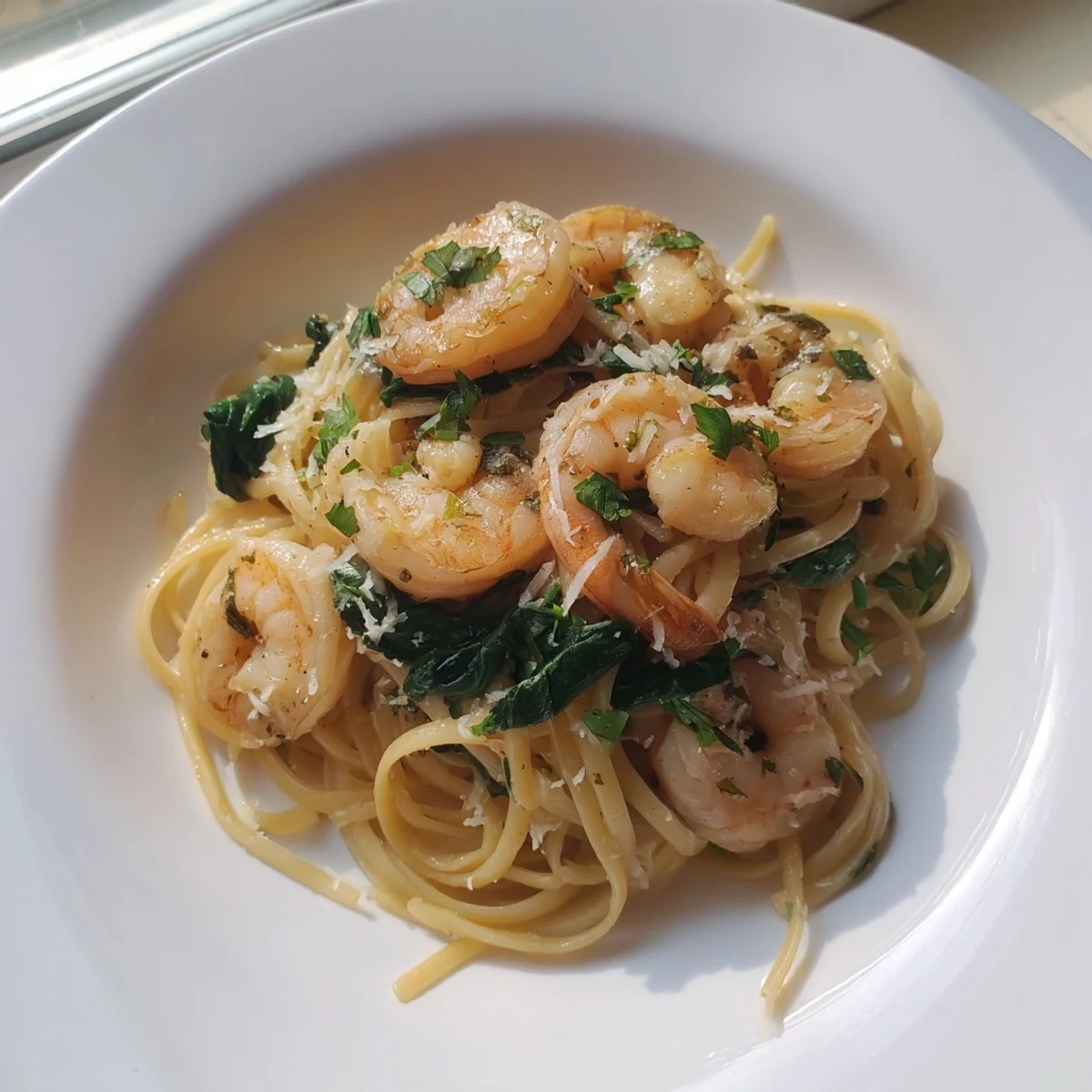
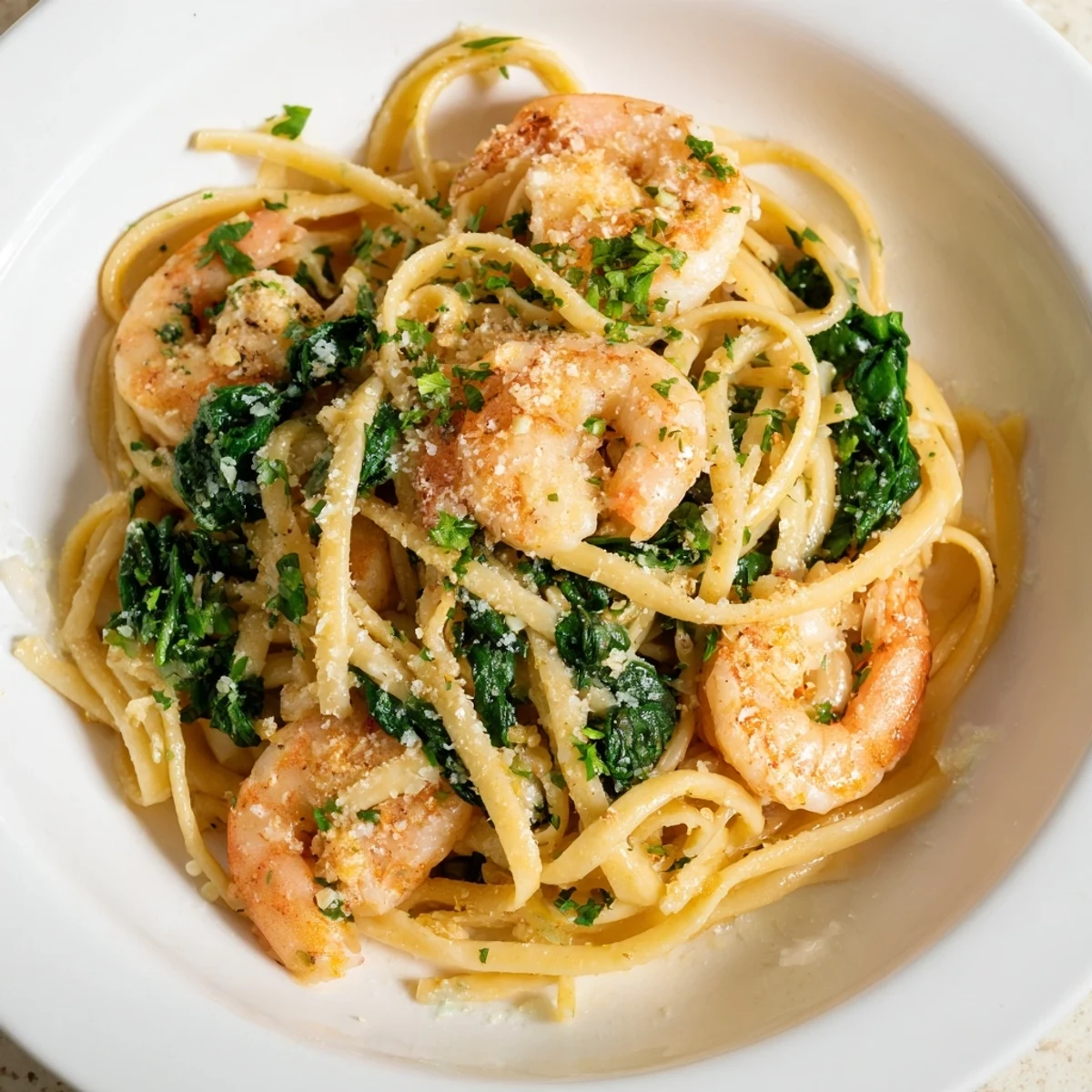
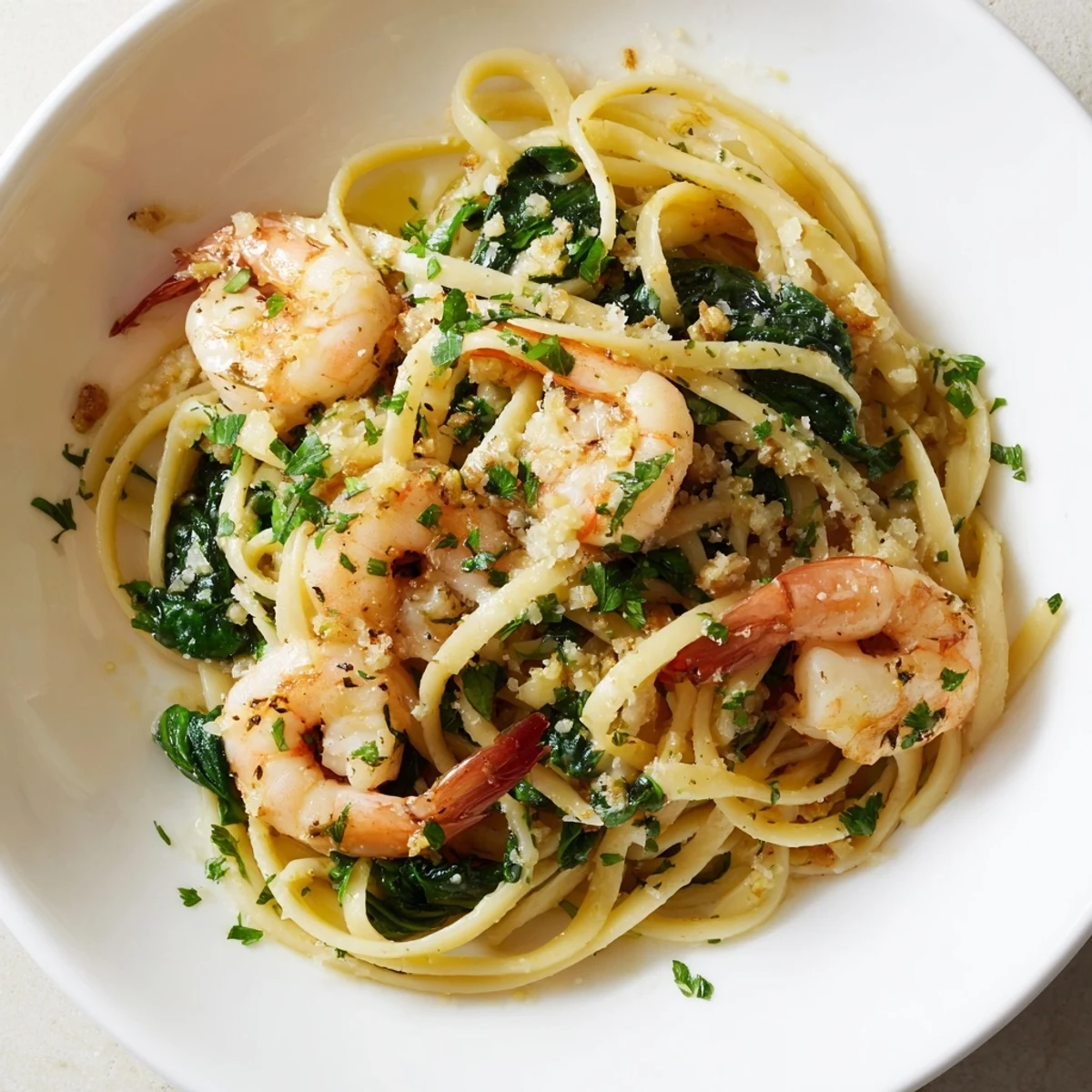
 This dish combines tender shrimp sautéed with garlic and lemon zest, mingled with fresh spinach and linguine. The sauce is finished with butter, Parmesan, and a hint of crushed red pepper, creating a light yet flavorful meal. Simple techniques and fresh ingredients bring a bright, balanced dish perfect for a quick, satisfying dinner.
The pasta is cooked al dente and tossed with a silky lemon-garlic sauce enhanced by reserved pasta water. Fresh parsley adds a final herbal note. This meal delivers bright citrus, tender seafood, and vibrant greens in every bite.
The kitchen smelled like the Mediterranean that Tuesday evening, all because my neighbor had left a bag of lemons on my porch with a note that simply read "rescue these." I had shrimp thawing and spinach wilting in the crisper, so I did what any reasonable person would do: started boiling water and hoped for the best. Twenty minutes later I was eating straight from the skillet, standing at the counter in my socks, wondering why I had ever bothered with heavy cream sauces.
I made this for my sister after she moved into her first apartment with a stove that only half worked. She sat on a cardboard box eating her second bowl while we listened to the radiator clang, and she kept saying "I didnt know shrimp could taste like sunshine." That skillet went back to my place empty.
Ingredients
- Large shrimp: Fresh is ideal but frozen works beautifully; just pat them aggressively dry or they will steam instead of sear.
- Linguine or spaghetti: Long strands grab the light sauce better than short shapes; I have tried them all and keep coming back to linguine.
- Baby spinach: It wilts down to almost nothing so dont be shy with the volume; four cups looks heroic until it hits the heat.
- Shallot: Milder than onion and worth seeking out; it melts into the background instead of shouting.
- Garlic: Four cloves is my sweet spot but measure with your heart; just dont let it brown or it turns bitter.
- Lemon: Zest before you juice or you will fight the fruit and lose; the zest carries the perfume, the juice brings the punch.
- Red pepper flakes: Optional but I never skip them; that tiny prickle of heat makes everything else taste more like itself.
- Butter and Parmesan: These two create the silky emulsion that feels like luxury without the heaviness.
- Olive oil: For the sear; use the good stuff here because you will taste it.
- Fresh parsley: Not just for color; it adds a grassy note that pulls everything into focus.
Instructions
- Get the water rolling:
- Salt your pasta water until it tastes like the sea; this is your only chance to season the noodles themselves. Cook until just shy of al dente, then scoop out that starchy liquid gold before draining.
- Sear the shrimp:
- Pat them dry with paper towels until they feel almost tacky; moisture is the enemy of caramelization. Work in a single layer without crowding, and resist the urge to flip early; let them develop those bronze edges.
- Build the base:
- Drop the heat before adding shallot; you want it soft and sweet, not seared. Garlic goes in last and barely kisses the heat; count to thirty and move on.
- Wilt the greens:
- Toss spinach with tongs and watch it collapse dramatically; it will look like too much then suddenly like too little. Two minutes is all it needs.
- Bring it together:
- Toss everything back into the skillet off the heat; the residual warmth will melt the butter and cheese into a glossy coat. Add pasta water a splash at a time until the sauce clings instead of pools.
- Finish and serve:
- Taste for salt and acid; pasta always needs more than you think. Shower with parsley and extra cheese while it is still steaming.
 Save to Pinterest
 Last summer I taught my nephew to make this, and he burned the garlic so badly we had to start over. The second attempt was perfect, and he took a photo of his plate before eating, something I have never once done. Some dishes earn that kind of pride.
Making It Your Own
Arugula brings a peppery bite that wakes up the lemon; I switch to it when I want the dish to feel more grown up. A splash of cream transforms this into company food, though I rarely bother since the original satisfies completely.
What to Pour
Pinot Grigio is the classic choice, crisp and unobtrusive, but I have had excellent luck with a dry Vermentino. The goal is something that echoes the lemon without competing with it.
The Tools That Matter
A wide skillet with sloped sides makes tossing the pasta effortless; I ruined my first attempt using a saucepan and a fork. Tongs are essential for the shrimp and the final toss; they give you control that a wooden spoon cannot match.
- Zest your lemon directly over the skillet to catch every fragrant oil.
- Save more pasta water than you think you need; you can always discard it.
- Taste at every stage; the shrimp, the spinach, the final toss each need attention.
 Save to Pinterest
 This is the dinner I make when I want to feel capable without trying very hard. The empty bowl and quiet kitchen afterward say everything worth saying.
Recipe FAQs
- → How can I ensure the shrimp stays tender?
-
Cook shrimp quickly over medium-high heat, about 2-3 minutes per side, until just opaque and pink to avoid toughness.
- → What pasta types work best for this dish?
-
Long, thin pasta like linguine or spaghetti are ideal as they hold the sauce well and complement the shrimp's texture.
- → Can I adjust the lemon flavor intensity?
-
Yes, add more lemon juice or zest for brightness, or reduce for a milder citrus note to suit your taste.
- → Is there a way to make the sauce creamier?
-
Incorporate a splash of heavy cream when adding butter for a richer, silkier sauce consistency.
- → What can I substitute for spinach if unavailable?
-
Arugula or kale are great alternatives offering a peppery or earthy note that pairs well with the lemon and shrimp.