
 Save to Pinterest
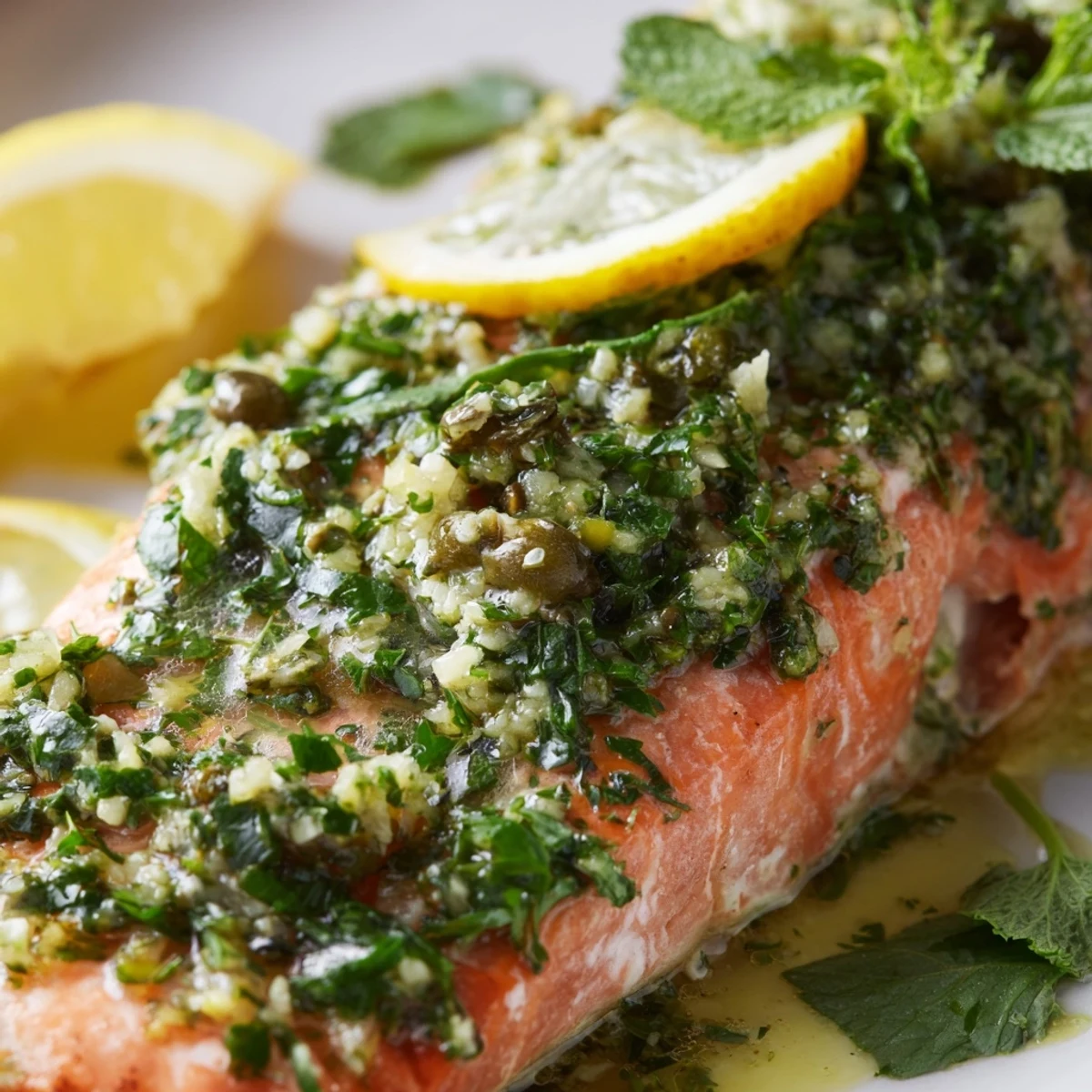
 This dish features tender, oven-baked salmon fillets seasoned simply with olive oil and lemon. While the fish cooks, you create a vibrant salsa verde by blending fresh parsley, basil, mint, capers, and garlic with mustard and vinegar. The result is a zesty, herbaceous sauce that complements the rich salmon perfectly, offering a healthy Mediterranean meal in under half an hour.
There's something about the smell of salmon hitting a hot oven that signals good things are about to happen. I discovered this dish on a Tuesday evening when my neighbor mentioned her go-to weeknight dinner, and I was struck by how something so simple could taste restaurant-quality. The salsa verde was the revelation—those bright herbs cutting through the richness in a way that made me wonder why I hadn't been making it all along. Now it's become my answer whenever someone asks what I'm cooking when I actually want to impress without spending hours in the kitchen.
I made this for my sister during one of those rushed weeknight dinners where everyone's hungry and tired, and watching her face light up when she tasted it made me realize this wasn't just food—it was a moment. She asked for the recipe immediately, and now it's become something we cook together when she visits. There's a comfort in knowing a dish can be both nourishing and joyful, especially on nights when you don't have much energy left.
Ingredients
- Salmon fillets (4, about 150g each): Look for firm flesh with a bright color; skinless fillets are easier to work with and cook more evenly in the oven.
- Olive oil: Use a good quality oil for drizzling on the salmon; save your most expensive extra virgin for finishing the salsa verde where you'll actually taste it.
- Sea salt and black pepper: Fresh ground pepper makes a noticeable difference here, and sea salt dissolves more easily than table salt.
- Lemon: One whole lemon gives you both slices for the salmon and zest for the salsa, so choose one that feels heavy and firm.
- Fresh flat-leaf parsley (1 cup, finely chopped): This is the backbone of your salsa, so use the tender leaves and don't let it sit chopped too long or it bruises.
- Fresh basil (1/4 cup): Tear it by hand rather than chopping to prevent the leaves from bruising and losing their brightness.
- Fresh mint (2 tablespoons): A small amount goes a long way; it adds unexpected coolness that makes people ask what that secret ingredient is.
- Garlic clove (1 small, minced): One clove is enough—too much overpowers the delicate herbs and the salmon.
- Capers (2 tablespoons, rinsed and chopped): Rinsing removes excess salt and brine; they add a briny pop that anchors the whole sauce.
- Anchovy fillets (4, finely chopped, optional): They dissolve into the salsa and deepen the flavor without making it taste fishy—trust me on this even if you're skeptical.
- Dijon mustard (1 tablespoon): This acts as an emulsifier helping the oil and vinegar stay together, plus adds a subtle tang.
- Extra virgin olive oil (3 tablespoons): This is where quality matters since it's not being heated; use something you love tasting straight.
- Red wine vinegar (1 tablespoon): The acidity brightens everything; don't skip it or substitute unless you have good sherry vinegar on hand.
- Lemon zest: Microplane it directly over the salsa bowl so none of that precious citrus oil gets lost.
Instructions
- Get your oven ready:
- Preheat to 200°C (400°F) and line a baking sheet with parchment paper—this prevents sticking and makes cleanup effortless. The oven needs a few minutes to reach temperature, so do this first while you prep the salmon.
- Prepare the salmon:
- Pat your fillets completely dry with paper towels because any moisture on the surface prevents proper cooking. Arrange them on the prepared sheet, drizzle lightly with olive oil, then season generously with salt and pepper—season while the oil is wet so it adheres better.
- Add the lemon:
- Top each fillet with a thin lemon slice; it flavors the fish as it cooks and keeps the flesh moist. The lemon releases its oils and juice slowly, infusing everything as the heat does its work.
- Bake the salmon:
- Slide into the oven for 12–15 minutes, depending on fillet thickness. You'll know it's done when the flesh flakes gently with a fork and has turned from translucent to opaque—don't overcook or it becomes dry.
- Make the salsa verde:
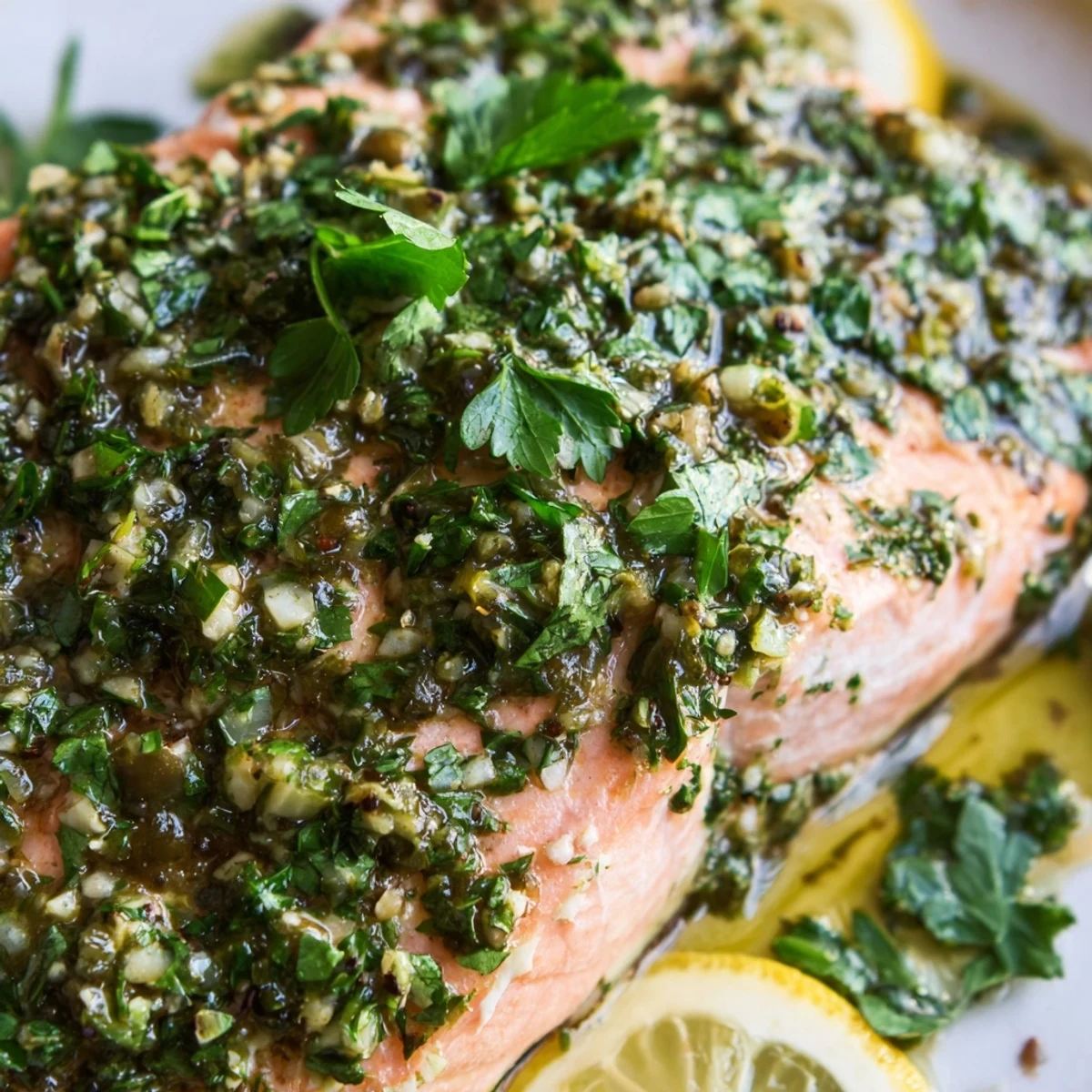
- While the salmon bakes, combine parsley, basil, mint, minced garlic, chopped capers, and anchovies (if using) in a medium bowl. Add the Dijon mustard and lemon zest, then pour in the extra virgin olive oil and red wine vinegar.
- Finish the salsa:
- Stir everything gently until combined—you want the herbs to stay bright and alive, not pulverized into a paste. Taste and adjust salt and pepper; remember the salmon is already seasoned, so go easy.
- Plate and serve:
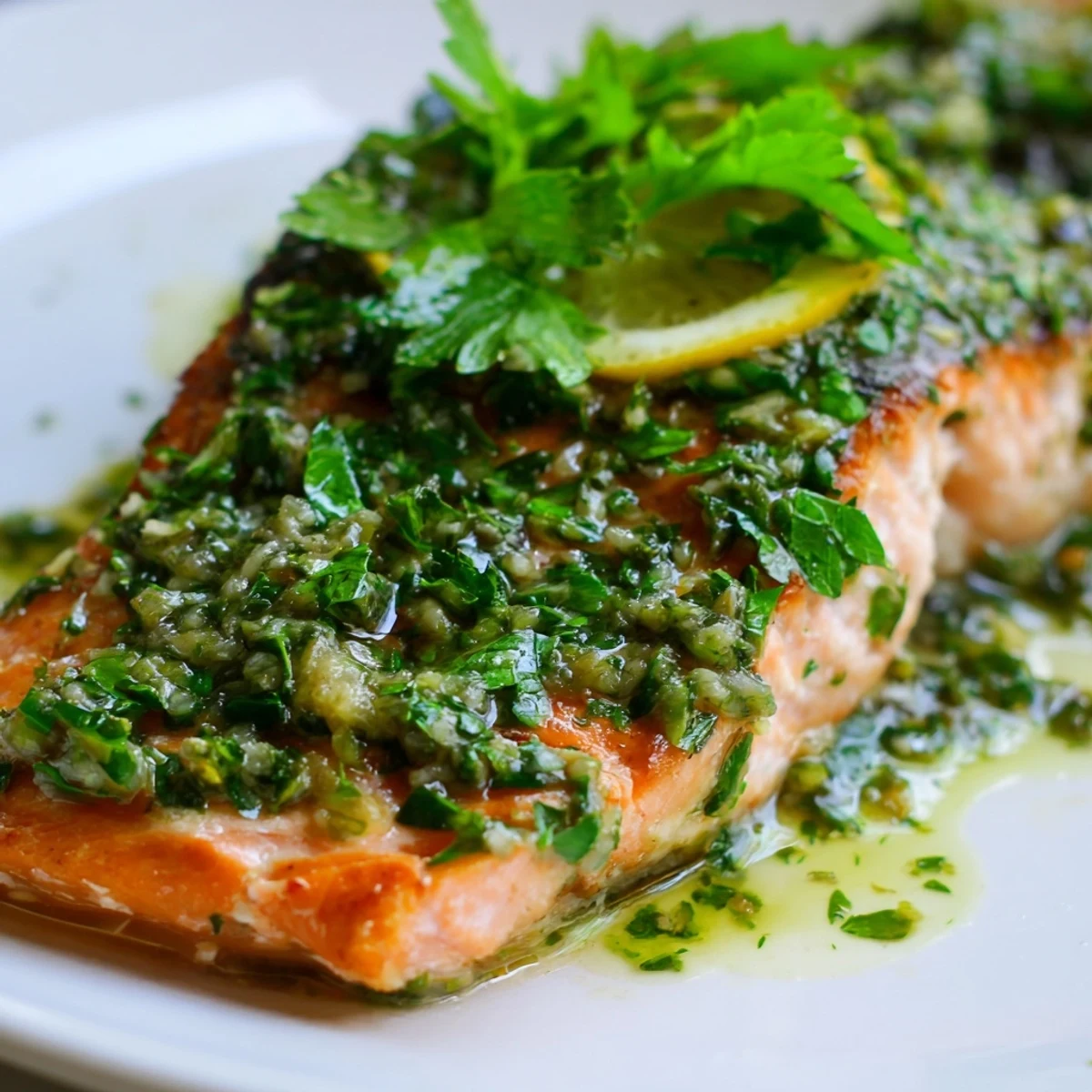
- Transfer each salmon fillet to a plate and spoon the salsa verde generously over the top. Serve immediately while the salmon is still warm and the herbs are at their most vibrant.
 Save to Pinterest
 The first time my daughter ate this, she asked why restaurant salmon never tastes this good, and I realized it wasn't magic or secret ingredients—it was just attention and care. Something about herbs this fresh and bright, salmon cooked until it's barely kissed through, made it feel like a celebration even though we were just having dinner on a Tuesday. That's when I knew this had become more than a recipe; it had become a moment I wanted to repeat.
Why Salsa Verde Changes Everything
A good salsa verde is like discovering a secret door in your kitchen because it works on so many things beyond salmon—roasted chicken, grilled vegetables, even stirred into yogurt as a dip. The magic is in how the bright herbs and acid cut through richness without any heaviness, which is why it transforms simple baked salmon into something that feels special. I've learned that keeping a small batch in the fridge at all times means weeknight dinners stop feeling like obligations and start feeling like treats. It's the kind of thing that makes you cook better because you know you have something this good waiting to finish the plate.
Building Flavor Without Complication
This recipe taught me that simplicity isn't boring if you're thoughtful about what goes into the pan and onto the plate. Salmon needs almost nothing when it's fresh and good, which is why a drizzle of oil, a pinch of salt, and a slice of lemon is enough—the fish speaks for itself. Everything else comes from that salsa verde, which means you're not juggling multiple components or techniques, just honest flavors that happen to work beautifully together. It's a lesson I've carried into other cooking: sometimes the best meals come from knowing when to stop adding and start paying attention to what's already there.
The Flexibility Factor
Once you understand how this dish works, you can play with it in small ways that feel natural rather than like substitutions. Tarragon instead of basil gives it an almost French feeling, or swapping in dill if you're cooking for someone who loves that flavor. The structure stays the same while the personality shifts, which means it never gets boring even if you're making it twice a week. What I appreciate most is that it's flexible enough to adapt to what's in your garden or what you grabbed at the market, but rigid enough that it always works.
- Keep extra lemon on the table for anyone who wants more brightness, and let people adjust their own plate.
- Make the salsa verde earlier in the day if you want, but hold off on stirring the herbs in until an hour before serving.
- Leftover salmon and salsa are excellent cold the next day, spooned over toast or mixed into a grain bowl for lunch.
 Save to Pinterest
 This is the kind of recipe that becomes part of your rotation not because it's impressive but because it's genuinely good and actually doable on nights when you don't have much time or energy. Every time I make it, I'm reminded that feeding people well doesn't require complexity—just good ingredients and a little bit of care.
Recipe FAQs
- → What is salsa verde?
-
A zesty Italian green sauce made from fresh herbs like parsley and basil, mixed with garlic, capers, olive oil, and vinegar for a bright flavor.
- → How do I know when the salmon is finished cooking?
-
The salmon is done when it flakes easily with a fork and turns opaque pink throughout the center, usually taking about 12 to 15 minutes.
- → Can I substitute the anchovies in the sauce?
-
Yes, anchovies add depth but can be omitted entirely for a vegetarian-friendly version or if you prefer a milder taste profile.
- → Is this dish suitable for meal prep?
-
Absolutely, you can bake the salmon and prepare the sauce ahead of time. Store them separately and combine just before serving to maintain texture.
- → What sides pair best with this salmon?
-
Roasted potatoes, steamed asparagus, or a crisp green salad complement the rich fish and tangy sauce perfectly.