
 Save to Pinterest
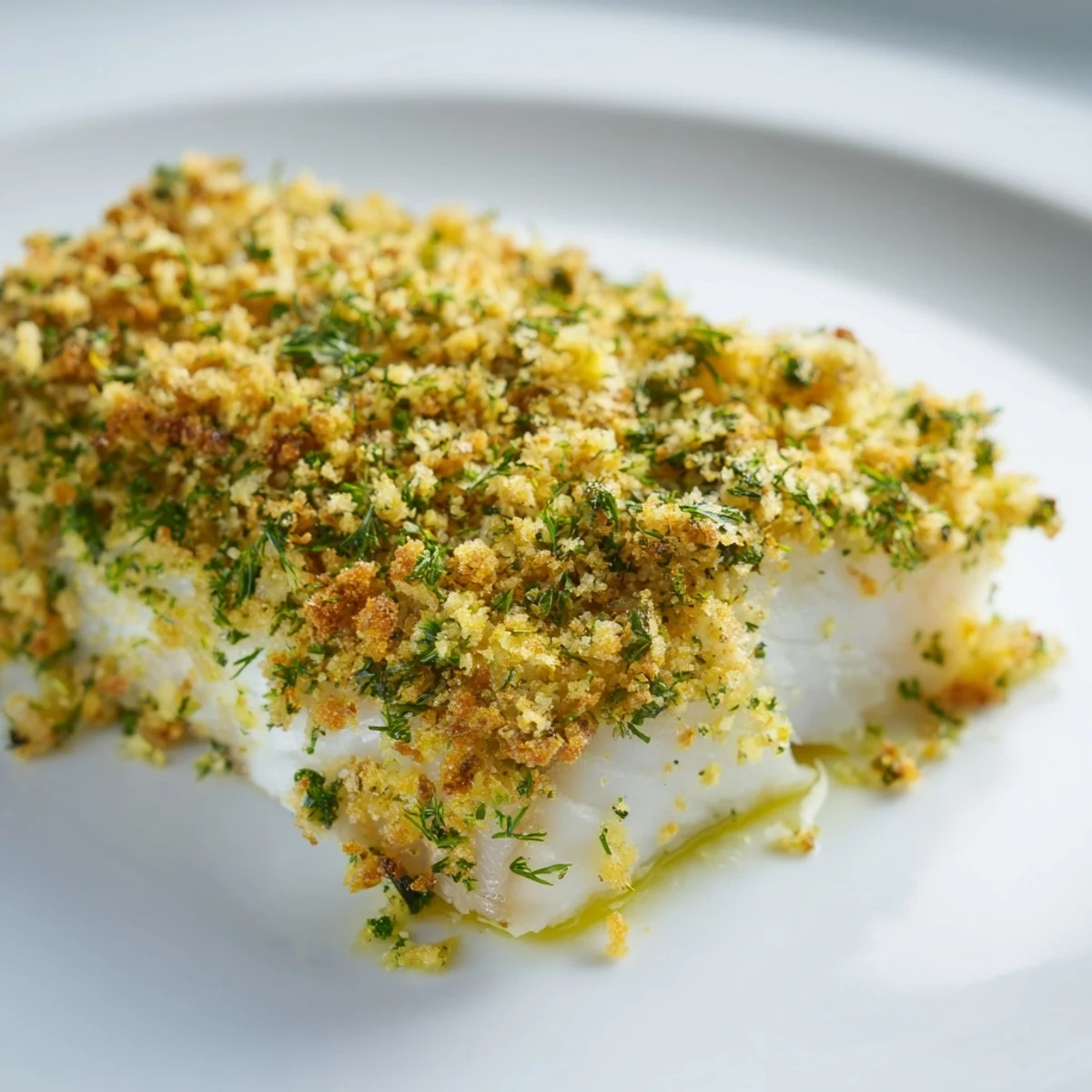
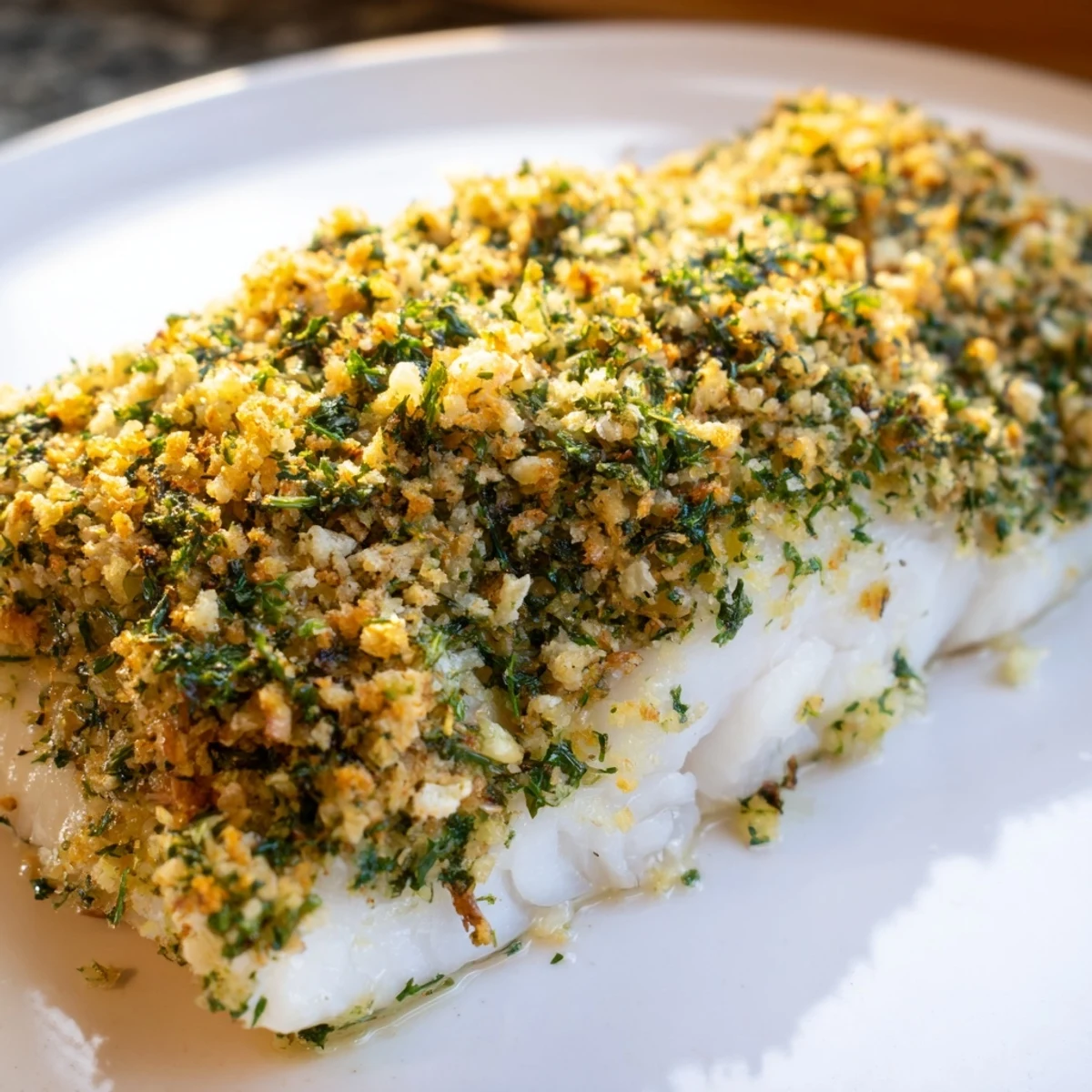
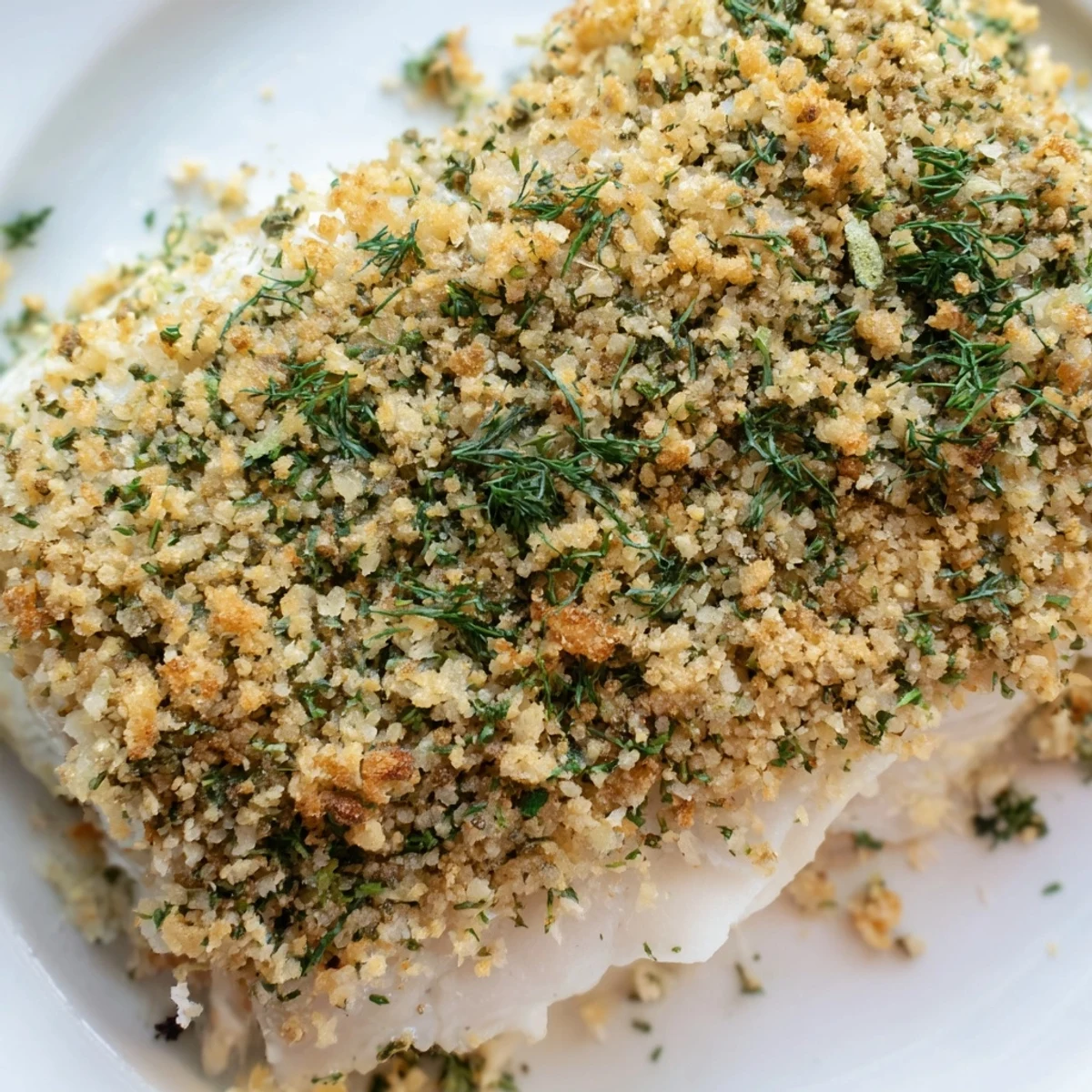
 This dish features tender hake fillets topped with a bright, herbaceous crust made from fresh parsley, dill, chives, lemon zest, garlic, and olive oil. The fillets are seasoned, coated with the breadcrumb-herb mixture, then baked until the crust turns golden and the fish flakes gently. It’s a light and flavorful option ideal for those seeking a Mediterranean-inspired dish. Serve with lemon wedges and fresh parsley for added freshness and zest.
There's something about the smell of lemon zest hitting a hot pan that makes me feel like I'm cooking somewhere Mediterranean, even if it's just my small kitchen on a Tuesday night. Years ago, a friend handed me a fillet of hake and said, "Don't overthink it," which became my kitchen mantra for this dish. The magic isn't in complicated technique—it's in letting fresh herbs and a golden crust do all the talking. This recipe emerged from those quiet moments when I wanted something light but still deeply satisfying.
I made this for my parents one Easter dinner when I wanted to move away from the usual heavy roasts, and my dad—who swears by simplicity—ate two fillets and asked for the recipe written down. That's when I knew I'd landed on something worth repeating. The golden crust crackled when he cut into it, and the steam that rose up carried all the brightness of the Mediterranean without a single exotic ingredient.
Ingredients
- Hake fillets (4, about 150 g each): Choose ones that feel firm and smell clean; they're the star, so quality matters more than quantity.
- Fresh breadcrumbs (60 g, whole wheat if possible): I learned the hard way that pre-made seasoned crumbs overpower the delicate fish, so I always use plain.
- Fresh parsley (2 tbsp, finely chopped): Don't skip fresh here—dried herbs create a dusty texture that doesn't bond to the fish the same way.
- Fresh dill (1 tbsp, finely chopped): Dill loves fish, and a tablespoon is enough to announce itself without screaming.
- Fresh chives (1 tbsp, finely chopped): These add a whisper of onion flavor that brightens everything without being obvious.
- Lemon zest and juice (1 whole lemon): Zest it directly into your herb mixture so you capture all those fragrant oils; the juice prevents the crust from being dry.
- Garlic (2 cloves, minced): Raw garlic in a crust sounds risky, but the 20 minutes in the oven mellows it beautifully.
- Olive oil (2 tbsp): This binds everything together and helps the crust toast to golden rather than burn.
- Salt and black pepper: Season the fish itself first, before the crust goes on, so every layer has its own seasoning.
- Lemon wedges and parsley (for serving): These aren't decoration—they're your last-minute brightness.
Instructions
- Get your oven ready and set the stage:
- Preheat to 200°C and line your tray with parchment paper so nothing sticks and cleanup stays easy. This small step saves you frustration later.
- Dry and season the fish:
- Pat the hake fillets with a clean cloth until they're truly dry—moisture is the enemy of crust adhesion. Season both sides generously with salt and pepper, then arrange them on the prepared tray with space between each one.
- Build your herb crust:
- In a bowl, combine the breadcrumbs, fresh herbs, lemon zest, lemon juice, minced garlic, and olive oil. Stir until the crumbs feel slightly damp and hold together, like wet sand at the beach. Taste a tiny pinch and adjust seasoning if needed.
- Crown each fillet:
- Press a handful of the crust mixture firmly onto the top of each hake fillet, using the back of a spoon to help it adhere. Don't be timid—it should look like each fish is wearing a golden hat. A few small gaps are fine and actually let steam escape.
- Bake until golden and flaking:
- Slide the tray into the oven for 18–20 minutes, keeping an eye on the crust after 15 minutes. You'll know it's done when the crust is light golden and the thickest part of the fish flakes easily with a fork; if you're unsure, err toward a minute longer rather than pulling it out early.
- Finish and serve:
- Remove from the oven and let rest for just a minute—this keeps the crust crispy rather than steaming itself soggy. Transfer to plates and garnish with lemon wedges and fresh parsley, then serve immediately.
 Save to Pinterest
 One winter evening, I made this for someone I was trying to impress, and they asked if I'd bought it from a restaurant because it looked too polished for home cooking. That moment taught me that simple cooking done with attention and care can feel more elegant than anything complicated. The dish stopped being about proving myself and became about the quiet satisfaction of feeding someone well.
Why Fresh Herbs Make All the Difference
I spent years using dried herbs in crusts until I finally understood that fresh herbs aren't just stronger—they're chemically different. When you chop fresh dill, parsley, and chives, you break open their cells and release volatile oils that bind to the fish and toast beautifully in the oven. Dried herbs, by contrast, stay somewhat separate from the breadcrumbs and create a texture that feels more like you're eating herb-flavored dust than a cohesive crust. The first time I made this switch, I noticed the crust actually smelled like the Mediterranean instead of like a generic spice rack.
Fish Thickness and Baking Time
The timing in this recipe assumes hake fillets about 2 cm thick, which is the sweet spot for even cooking. If your fillets are noticeably thicker, add 2–3 minutes to the baking time and check by flaking the thickest part at the end. Thinner fillets will cook faster and risk drying out, so watch them closely after 12 minutes. I've learned that starting with fillets of consistent thickness matters more than hitting an exact oven temperature, because ovens vary widely but good fish geometry never lies.
Flavor Swaps and Adaptations
The beauty of this crust is how forgiving it is to small changes based on what you have or what you're craving. Swap dill for tarragon or thyme, or skip chives and add minced mint for a different kind of brightness. For heat, add a small pinch of chili flakes or a dash of hot sauce into the oil before mixing. If you don't have fresh herbs at all, you can use half the amount of dried herbs—not ideal, but it still works.
- Try mixing in finely grated Parmesan or a squeeze of honey if you want richness or subtle sweetness.
- Substitute the hake with cod, haddock, pollock, or even salmon, though oilier fish may need less olive oil in the crust.
- For gluten-free cooking, use certified gluten-free breadcrumbs and everything else stays exactly the same.
 Save to Pinterest
 This dish taught me that you don't need a long list of ingredients or hours in the kitchen to create something that feels both nourishing and special. It's the kind of meal that disappears quietly from plates and lingers in memory, which is all I've ever wanted to cook.
Recipe FAQs
- → What type of fish can I use besides hake?
-
Cod, haddock, or pollock are excellent alternatives that work well with the herb crust and similar cooking method.
- → Can I make the crust gluten-free?
-
Yes, substitute whole wheat breadcrumbs with certified gluten-free breadcrumbs to accommodate gluten-free diets.
- → How do I know when the fish is cooked perfectly?
-
The crust should be golden brown and the fish should flake easily with a fork, indicating it’s tender and cooked through.
- → Can I add spice to the herb crust?
-
Adding a pinch of chili flakes to the crust mixture gives a gentle kick without overpowering the fresh herb flavors.
- → What wine pairs well with this dish?
-
Crisp white wines such as Sauvignon Blanc or Pinot Grigio complement the light, zesty flavors of the hake and herb topping.